Archeology
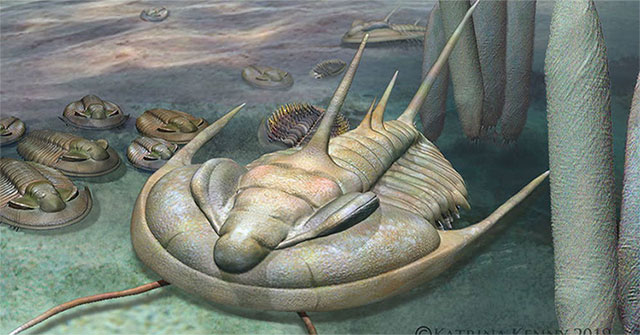
Detection of giant trilobite fossils in Australia
Fossils on the island of Kangaroo reveal the largest trilobite that once lived in Australia with a length of up to 30 cm.
Browse ScienceInfo articles and explainers related to Prehistoric.
545 published items.
Fossils on the island of Kangaroo reveal the largest trilobite that once lived in Australia with a length of up to 30 cm.
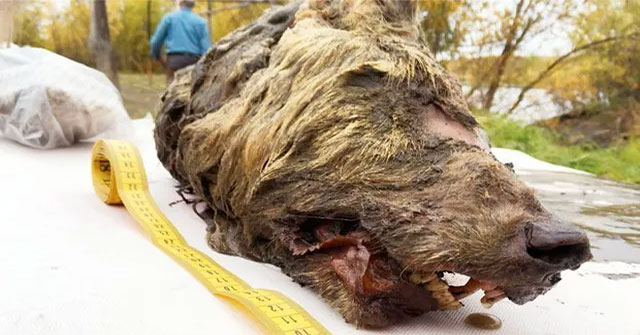
The first part of prehistoric beasts is well protected to the point that the inner brain after tens of millennia is still not decomposed.

The prehistoric forest buried in 4,500 years of seawater appears on the beach in Wales under the influence of high winds and low tide.
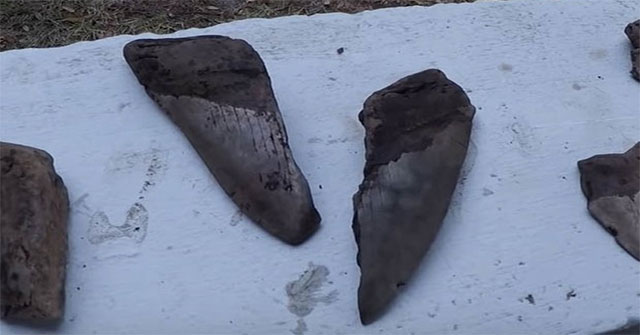
A diver discovers two teeth of Megalodon shark when searching the bottom of the lake in America.
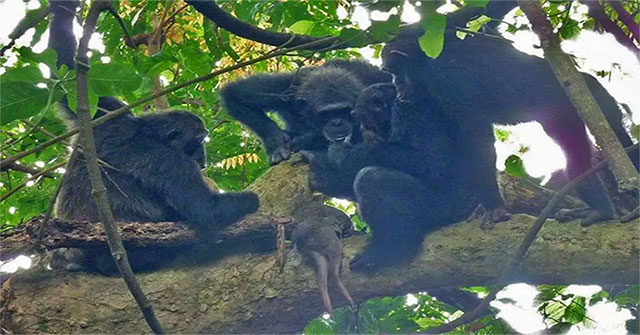
Proactive behavior against apricot newspapers to monopolize food was first observed in chimpanzees in Tanzania.

A part of the Stonehenge stone wonder in England missing during archaeological excavations six decades ago has been found.
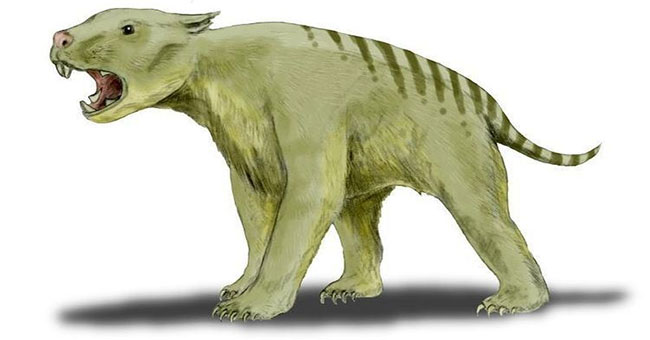
The complete bone structure allows scientists to gain a deeper understanding of the behavior of the bag lion living in the Reformation.

Scientists analyze ancient feather patterns and argue that they can act as bait, helping birds escape predators.
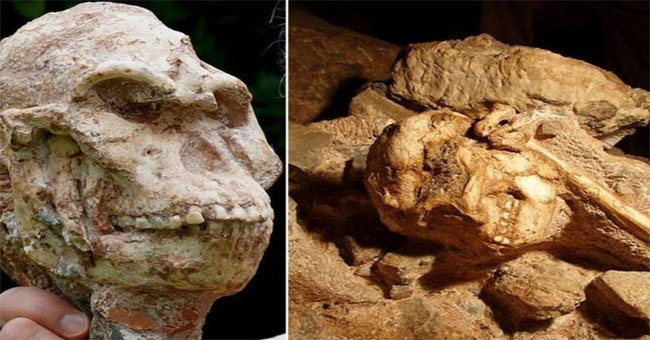
Scientists claim that our earliest ancestors knew to walk straight on their feet even when they were still living on trees.
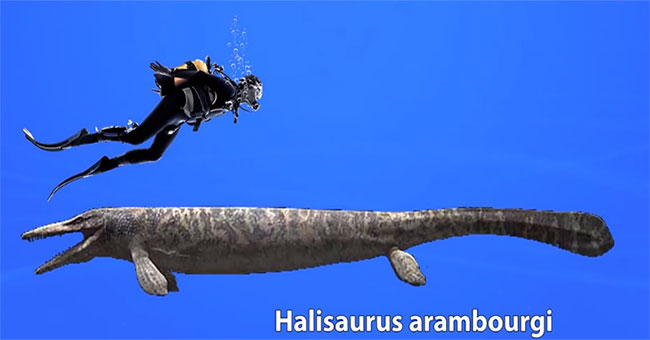
Dragon lizard is a large sea lizard family that lived in the late Cretaceous period. The largest species can grow to 18 meters in length.
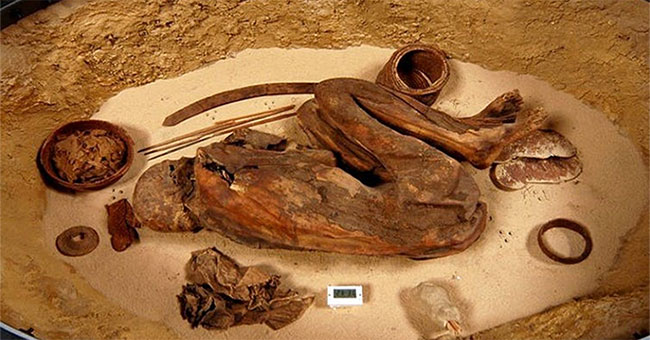
Dr. Jana Jones, Ancient History Department, Macquarie University, Australia and colleagues have published the results of a group analysis of a prehistoric Egyptian body.

They seem to be inferior, but it turns out they are also living witnesses, examples of modern society, how to protect the forest and harmony with nature.
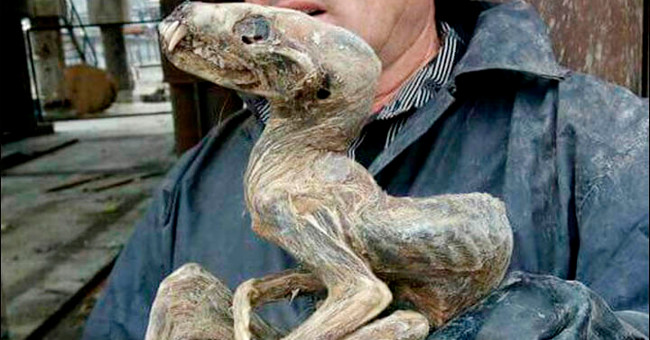
This is a new dinosaur or a wolf weasel, scientists are still debating the newly discovered fossil in Russia.

About 230 million years ago, dinosaurs began to branch from their ancestors and began to dominate the ground. But they are not the first species to appear.
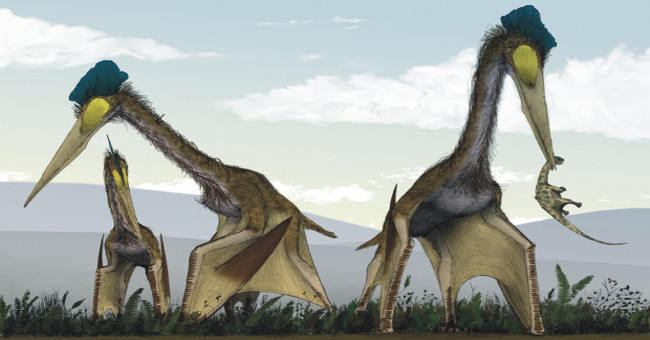
Scientists evaluate the horrors of predators not in its severity or ferocity, but based mainly on their ability to catch prey, large food spectrums, or fast digestibilit…