
Biology
Scientists successfully decode the spider's genome
In a study published in the Journal of Natural Media of America on May 6, scientists first published the successful decoding of the spider's genome.
Browse ScienceInfo articles and explainers related to Protein.
936 published items.
In a study published in the Journal of Natural Media of America on May 6, scientists first published the successful decoding of the spider's genome.

Recent studies have discovered a new method to help plant growth by inhibiting natural reactions, avoiding environmental stress.
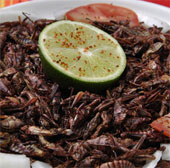
Caterpillars, beetle larvae, grasshoppers or stink bugs can become a source of future food with good nutritional value for human health.
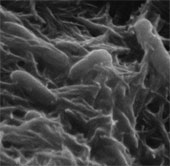
Scientists discovered microbial bacterial cells, marking a major step forward in the field of experimental biology.
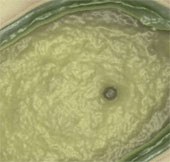
In the paper published in Science, the researchers announced that they discovered two new giant viruses.
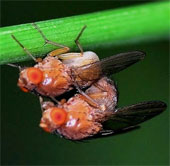
Entomologists have identified a neuropeptide (brain signaling protein) named Natalisin, which plays a role in controlling insect reproductive activities.
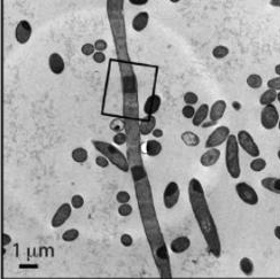
An approach to understanding the components of living organisms is to try to create them, using the principles of chemistry, engineering and genetics.
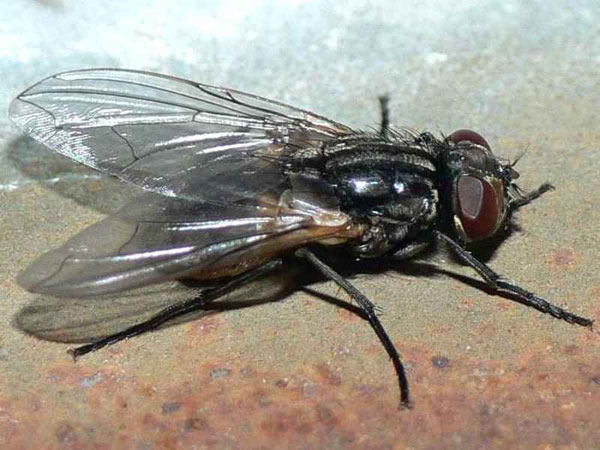
This is the prediction of some scientists and businesses, when the fly larvae are bred, raised at the ground, can provide a quantity of food protein for fish and other a…

According to Dailymail, the compound is named cannabidiol
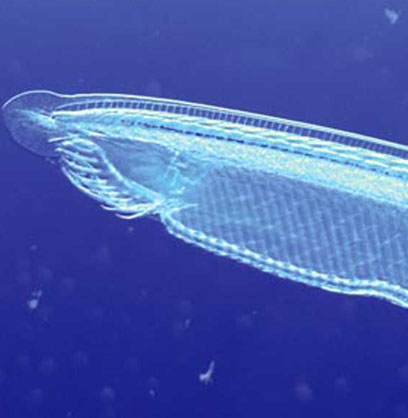
A successful double-inverted invertebrate, kicks off the process of evolving hundreds of millions of years to form humans and other high-level animals, scientists claim.
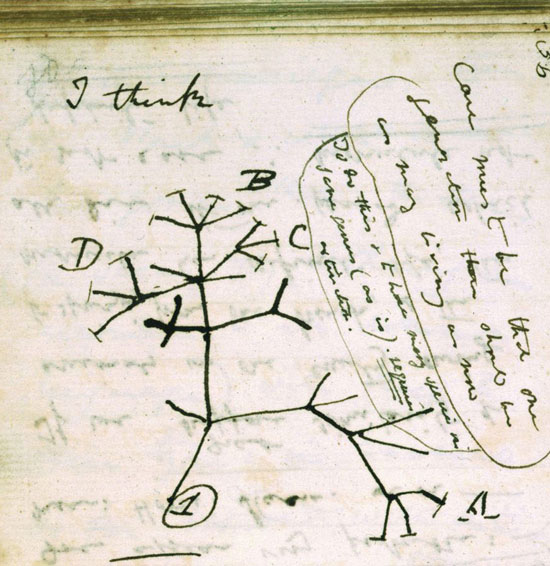
Dr. William Duax and colleagues at the University of Buffalo in New York (USA) have created a new evolutionary tree by comparing proteins from genes of organisms stored…
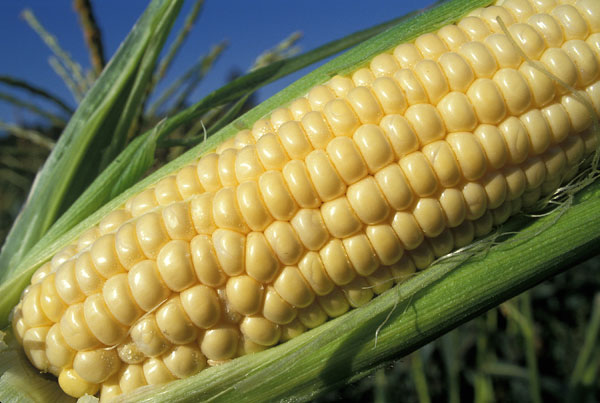
In 2003, biotech giant Monsanto developed a genetically modified corn that is resistant to rootworm by using Cry3Bb1 Protein, derived from the bacterium Bacillus thuring…

Researchers from Edinburgh University, Scotland (UK) have discovered a plant gene that can control the activity of flowers in the night.
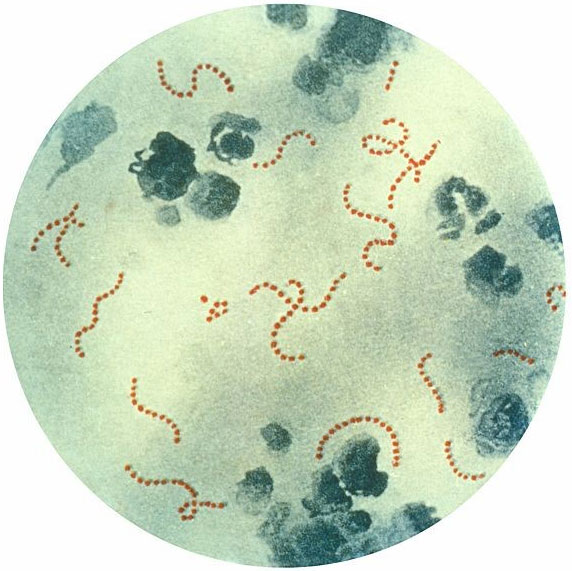
Meat-eating bacteria can create a super glue used to connect molecules, according to a new study by Oxford University (UK).

Scientists from the University of Exeter (UK) claim to have filmed the trees 'conversation' with each other. Thus, the long-standing suspicion of some experts has been c…