
Biology
1 gene mutation can cause many cancers
An important gene itself, which normally protects the human body from cancer, can become the cause of many other cancers.
Browse ScienceInfo articles and explainers related to Protein.
936 published items.
An important gene itself, which normally protects the human body from cancer, can become the cause of many other cancers.

Germany has successfully researched a new method that can conduct high-speed and large-scale observations of the interaction between two proteins in mammalian cells.

American scientists from Chapel Hill Sub-University, University of North Carolina, said they found calcium atoms could control bacterial activity.

Professor Xu Weixian and colleagues at the University of Seoul Medical Institute have announced for the first time the gene that causes dementia in humans.

US scientists have discovered a new natural protein in humans can help prevent influenza A / H1N1 and other viruses such as West River Nile virus and dengue fever.

Scientists have likened these proteins to leeches, able to attach themselves to other proteins.

Plants have the function of regulating the growth state according to the four-season temperature change, so what do they rely on to recognize the temperature change of t…

If American scientists' research is successful, there will be a new food that provides millions of people. These are genetically modified cottonseed.

Researchers at the Audubon New Orleans Biological Research Center in the United States have created a cat that can emit blue light by modifying its genes.
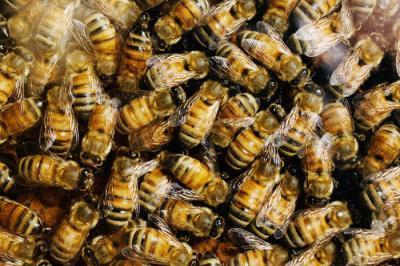
Earlier this week, researchers announced that they had found molecular markers of colony collapse disorder (CCD), which killed one-third of honey bees in the United Stat…
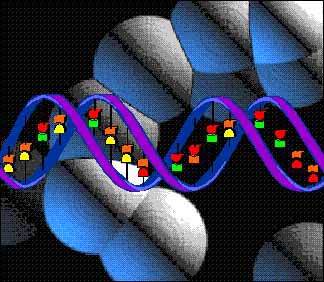
A team of researchers recently discovered three genes created by non-coding DNA, which may have helped humans evolve into high-level animals like today.
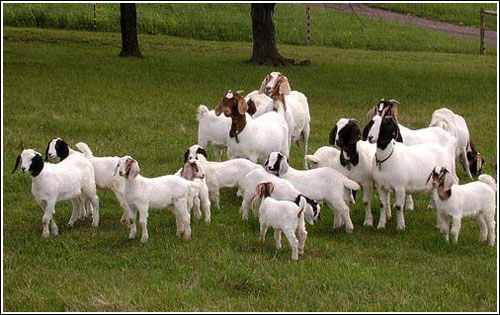
An upcoming Russian experimental facility could produce breast milk substitutes after a successful test on mice.

Bats' proteins are resistant to aging, so they live much longer than those of the same size. This finding may lead to the introduction of life-long drugs.
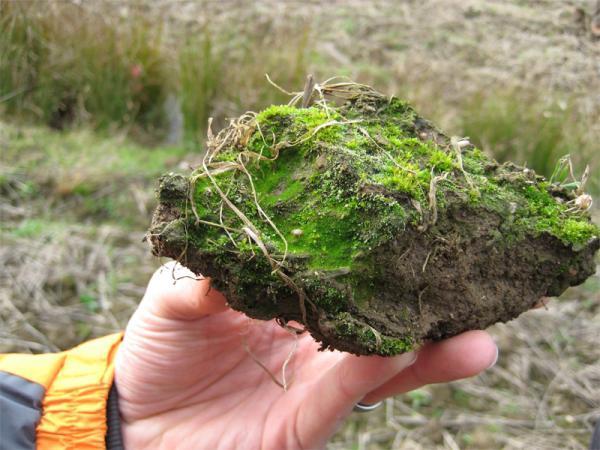
ETH Zurich researchers show that mosses and humans have unexpected general characteristics. These evolutionary relics can be useful in making therapeutic proteins.

Two Japanese scientists used gene implantation techniques to create monkeys with green hair, luminescent skin and blood vessels under special light.