
Medicine - Health
Brazil detected 8 mutations of the yellow fever virus
The Brazilian medical experts report that these mutations are related to proteins involved in viral replication.
Browse ScienceInfo articles and explainers related to Protein.
936 published items.
The Brazilian medical experts report that these mutations are related to proteins involved in viral replication.

Skinny is the result of prolonged nutritional deficiencies, the body must use the stored energy available in muscles, in adipose tissue to maintain life leading to thin,…

Sleepiness during the day not only shows that you have a bad rest, but also warns of your risk of Alzheimer's disease.

Milk contains many healthy nutrients. Infants need breast milk to grow and grow. Children and adults need different types of milk to meet their needs.

Vietnamese people know how to enjoy crickets for a long time, but mainly from natural sources. Raising crickets for food processing has recently developed, but small in…
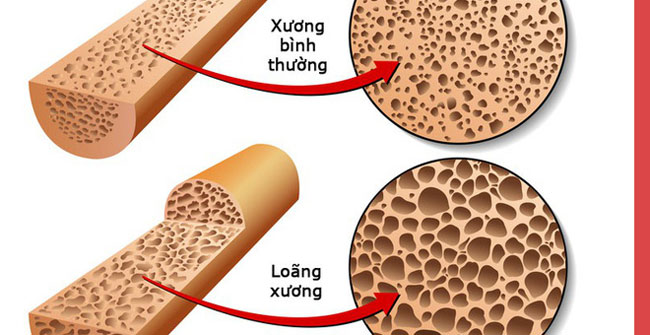
Women often have lower bone density than men but are more likely to lose estrogen over time, so they have a higher risk of osteoporosis.

Science has found a series of contraceptives for women, but for men, they can only use condoms or vasectomy.

Alzheimer's is the most common cause of dementia. It affects memory, thinking, behavior and can be fatal.

Restore desire with testosterone male sex hormones as the traditional way can cause ominous side effects on women.

US scientists have recently found a way to explain dementia after WNV infection, as well as a cure for the disease.

Each healthy adult and appropriate age, once donated 200ml of blood only accounts for 1/20 of the total body blood volume, through scientific verification will not affec…

Men with an older brother are more likely to become gay and the cause of the problem is formed before birth.

For the first time, scientists can reduce the amount of toxic proteins that lead to Huntington's disease in patients by injecting Ionis-HTTRx into the spine.
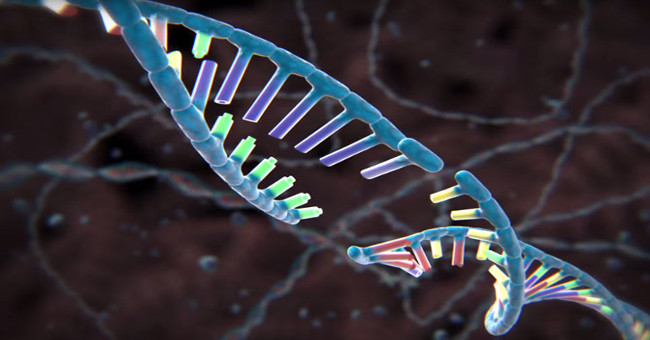
Do you want to see for yourself one of the most miraculous things of 21st century science? Watch this video.

New research results published in Science Translational Medicine raise concerns about the infectious potential of this disease.