Health
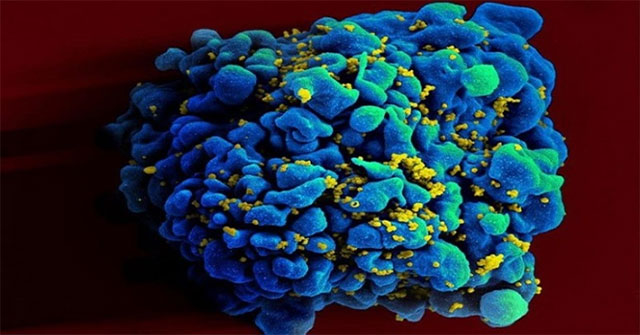
HIV-preventing mRNA vaccine gives good results in animals
An experimental HIV vaccine based on mRNA, the technology behind two highly effective Covid-19 vaccines, has shown positive results in mice and primates.
Browse ScienceInfo articles and explainers related to Protein.
936 published items.
An experimental HIV vaccine based on mRNA, the technology behind two highly effective Covid-19 vaccines, has shown positive results in mice and primates.
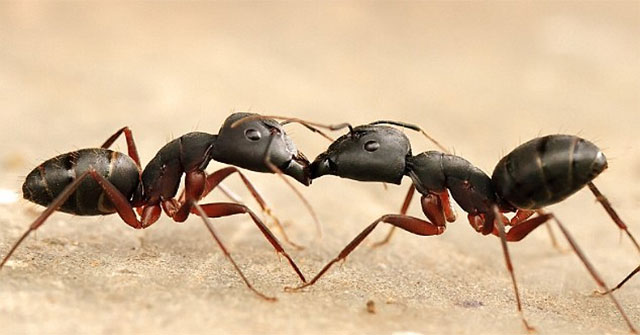
New research shows that the act of vomiting into each other's mouth is not only to pass food to each other, but also to form social relationships.

A type of gum containing a protein that 'traps' the SARS-CoV-2 virus will limit the amount of virus in saliva, thereby preventing the spread of pathogens when talking or…
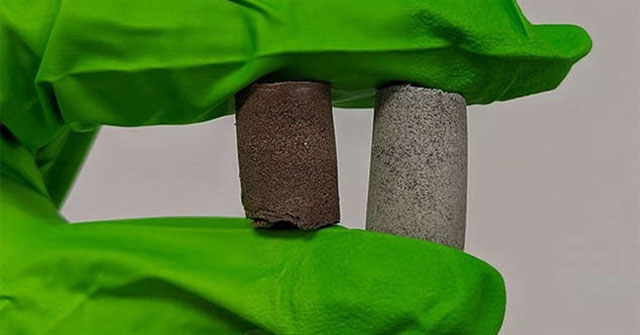
Proteins from astronaut blood can combine with urine, sweat and tears to form a glue-like binder to make AstroCrete concrete on the Moon and Mars.
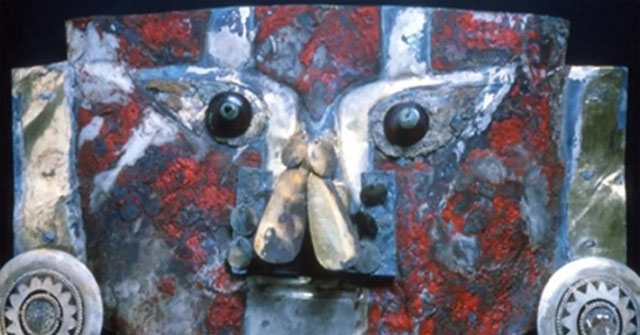
The ancient mask placed on the skull uses human blood, contributing to expressing the tomb owner's wish for rebirth.
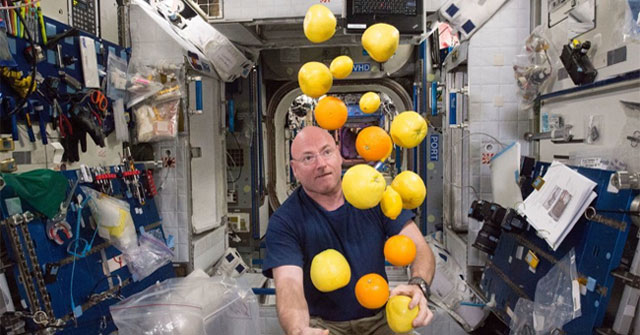
3D printed steaks, insect proteins, mushrooms are some of the unique ideas among the winners of NASA's space food competition.
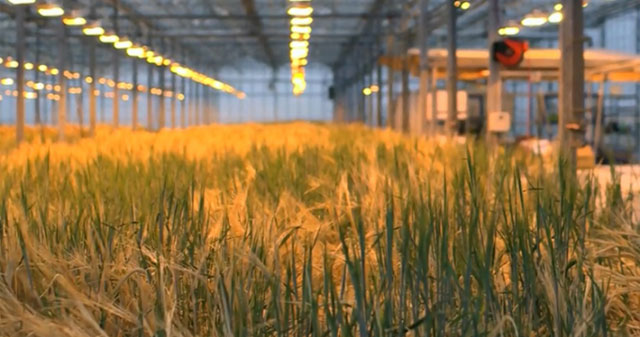
The Icelandic company is growing 130,000 genetically modified barley plants to harvest the protein used in the cell culture of meat.
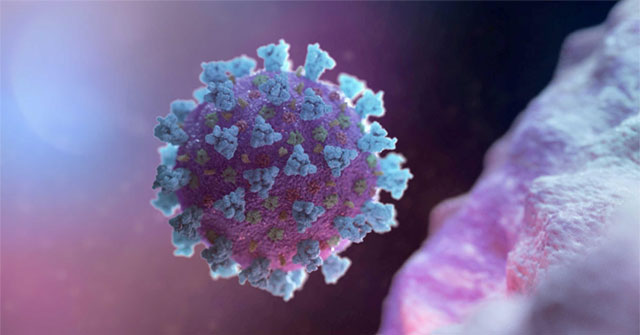
This variant has only been found in 5 patient samples in the world. However, it is still warned that it may be resistant to the Covid-19 vaccine thanks to a dangerous mu…
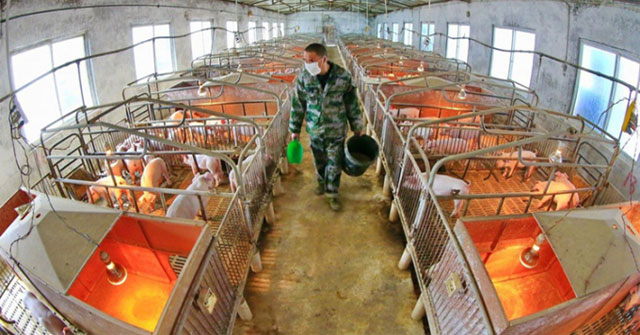
Experts develop new process to make protein for animal feed, benefit agriculture and reduce harmful emissions.
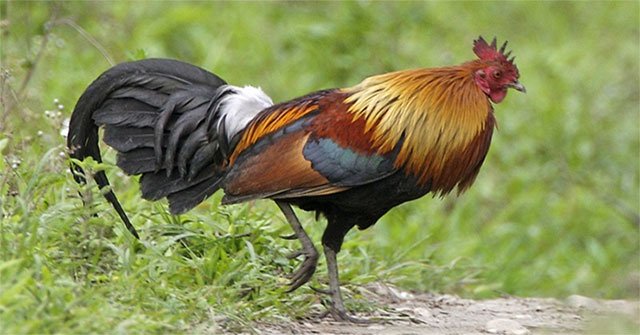
Chicken is the world's most popular animal, the largest source of animal protein for mankind.
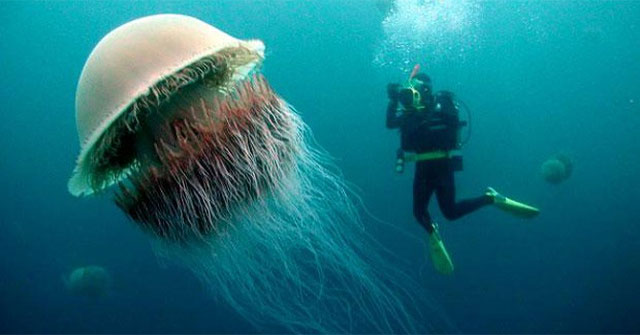
Scientists have yet to know the exact complex deadly venom of giant jellyfish Nemopilema nomurai.

Researchers have successfully transferred the natural camouflage found in some species of squid, octopus ... into human cells.
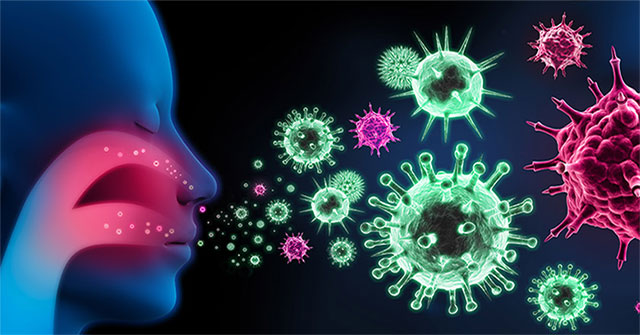
To spread in the body, flu viruses first use a protein called Hemagglutinin to bind to receptors of healthy cells.
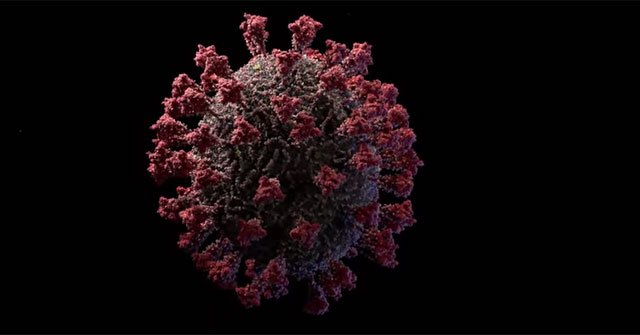
The video below shows a very detailed SARS-CoV-2 image at the atomic level and mechanism of entry into the host cell of this virus.
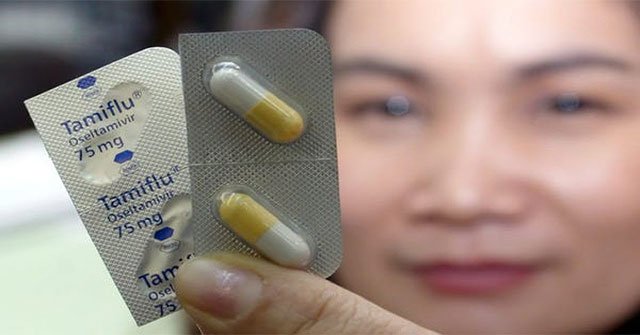
At the end of World War II, mass production of a newly discovered antibiotic, penicillin, saved many wounded wounded victims.