Biology
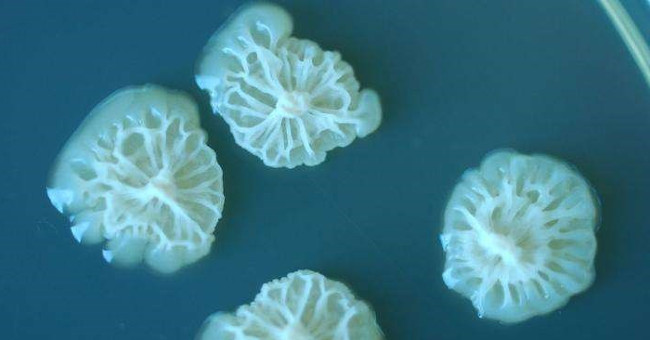
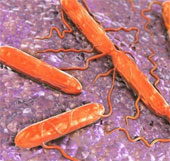
Discover shock about bacterial growth in space
Some species of space bacteria are growing stronger than on the Earth that confuses the scientific world
Browse ScienceInfo articles and explainers related to RNA.
1,928 published items.
Some species of space bacteria are growing stronger than on the Earth that confuses the scientific world
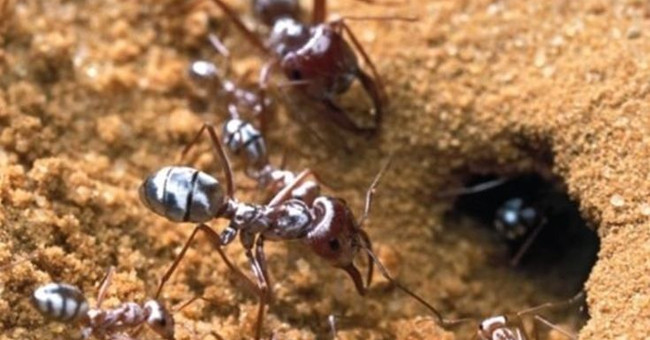
The sun, the scorching heat in the hottest desert in the world seems
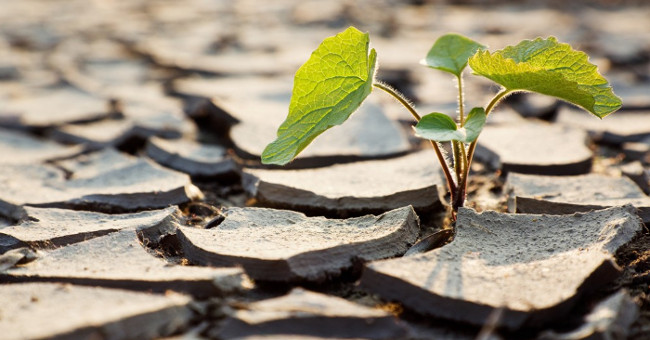
Scientists say plants have evolved to forget the past of suffering when necessary. And this process is really impressive.
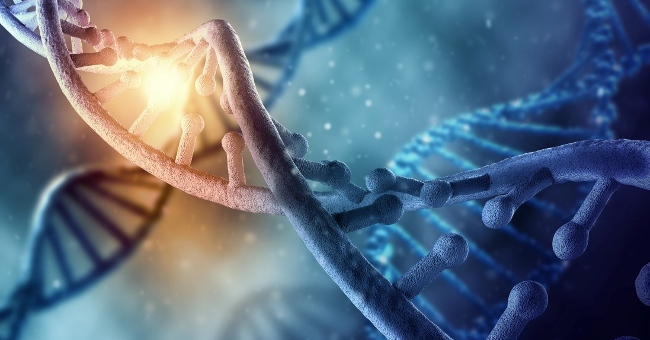
At least 8% of your DNA belongs to strange races and is made up of virus-derived pieces, not human. In fact, pieces of virus that often lurk within the genome of anythin…
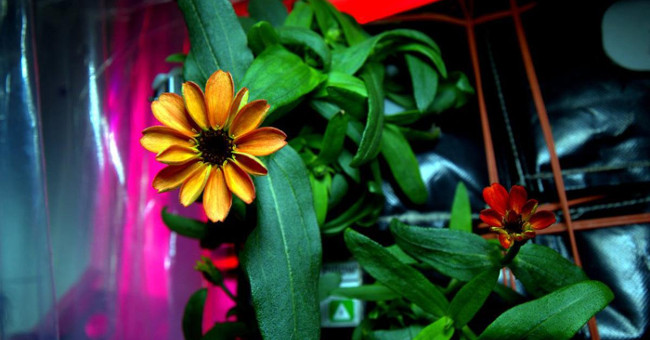
Astronauts have successfully planted flowers for the first time on the International Space Station (ISS).
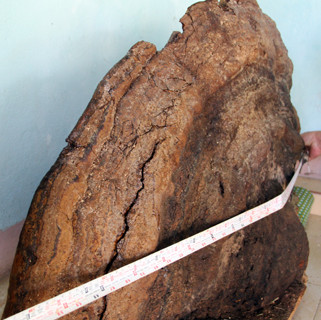
It took a week for 5 people to replace each other, the Ganoderma tree weighed 51.8kg, more than a meter long to be brought from the forest to Mr. Toan's house.
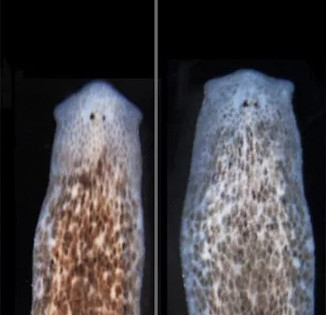
Flatworms are known to be nearly immortal animals with superhuman regeneration. But in fact, flatworms are even more magical than we ever knew.
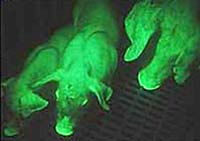
The pig is a familiar animal for everyone. Pork is a popular food in daily meals, especially on the occasion of Tet holiday. In the field of bio-medicine, pigs also have…
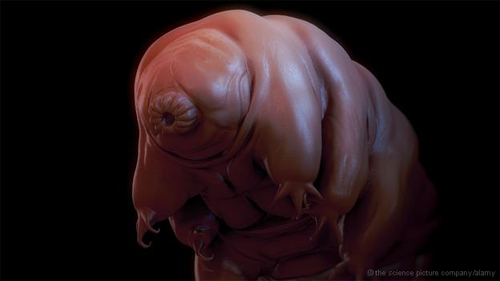
Tardigrade, an ancient creature present on Earth more than 500 million years ago, can survive and breed in harsh cosmic environments, despite the fact that space beams o…
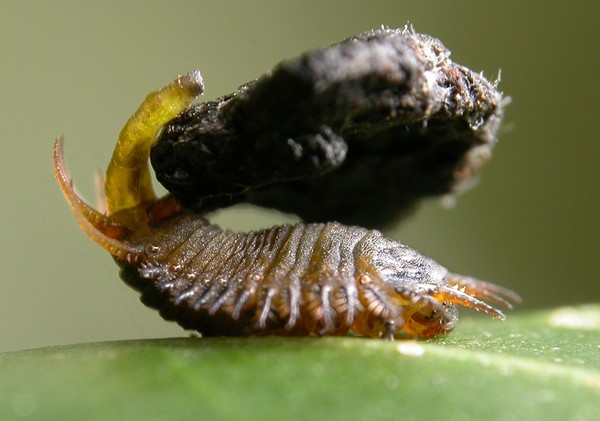
Self-defense is one of the instinctive actions of all living things. Each species has a different way of defending itself, ranging from staggering with parts of the body…
A scientist named the newly discovered spider breed, John Lennon, is a fan of The Beatles.

Biologists say that the annual migration of monarch butterfly from North America to Mexico is determined by a pattern of circulating genes on these butterflies.

The red grasshopper has formed a high cyclone column of nearly 305m on a road in Portugal.
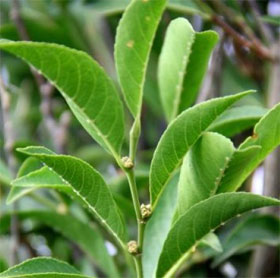
This new plant species is named Rinorea niccolifera, reflecting its nickel absorption capacity with very large volumes.
The overuse of antibiotics on humans and animals is thought to be the main cause of the increase in antibiotic-resistant or superbug bacteria.