Oceanography
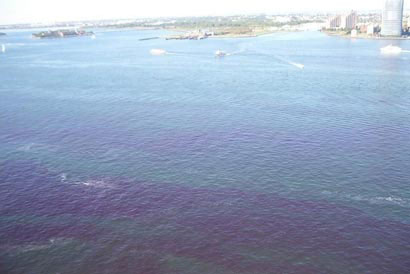
'Red tide' threatens New York
Nearly 16 km of red tape was discovered at the port of New York yesterday and could be harmful to the health of train drivers or swimmers nearby.
Browse ScienceInfo articles and explainers related to Red.
1,787 published items.
Nearly 16 km of red tape was discovered at the port of New York yesterday and could be harmful to the health of train drivers or swimmers nearby.
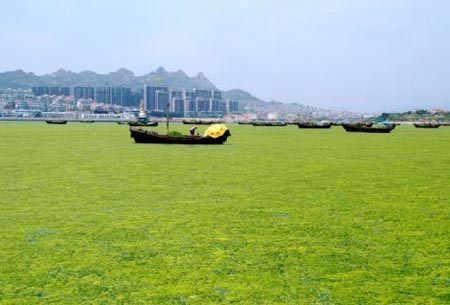
A cluster of algae that covers up to 200 square kilometers is heading toward China's east coast, threatening the region's ecology and tourism.

An oceanographer discovered the new crab shaped like a strawberry, with white spots on the red apricot, on the southern coast of Taiwan.

The jellyfish is quite large and fast moving, but they are swallowed up by an almost immobile marine creature, the mushroom coral.
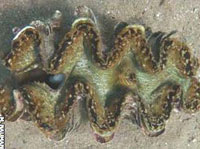
A new giant clam has just been found in the Red Sea, with deep folds on the shell.
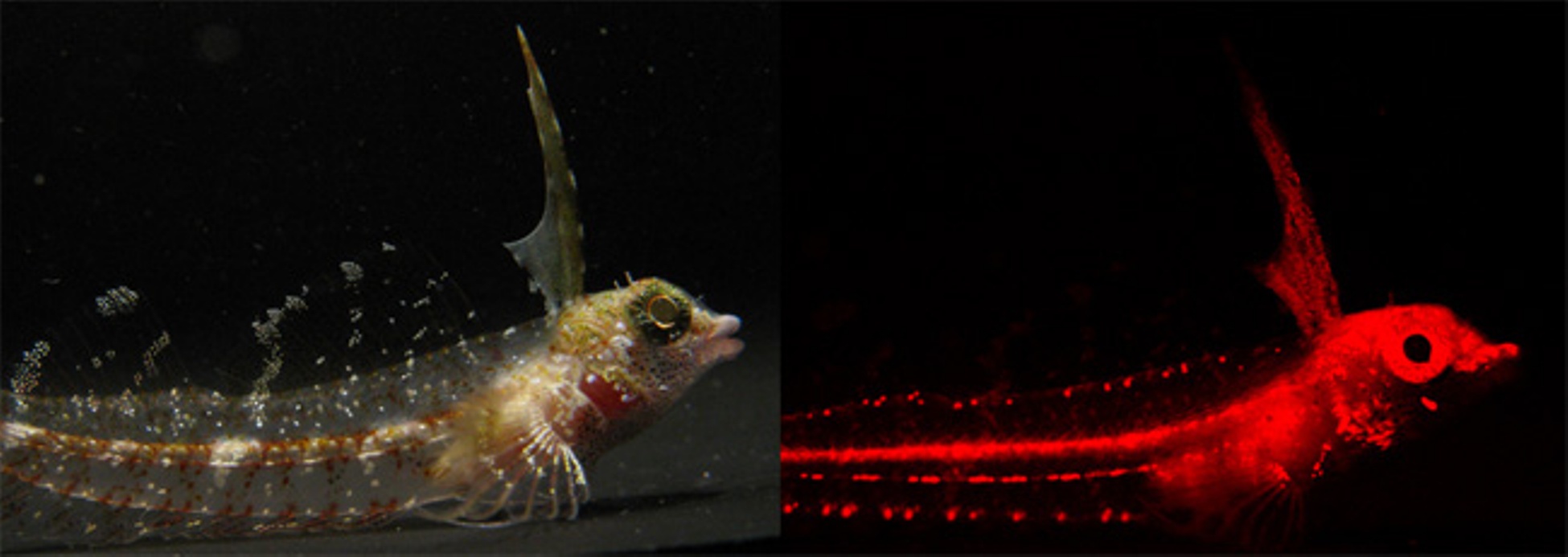
Scientists have discovered that red is the preferred color for many fish species, and some species fluoresce in vivid colors.
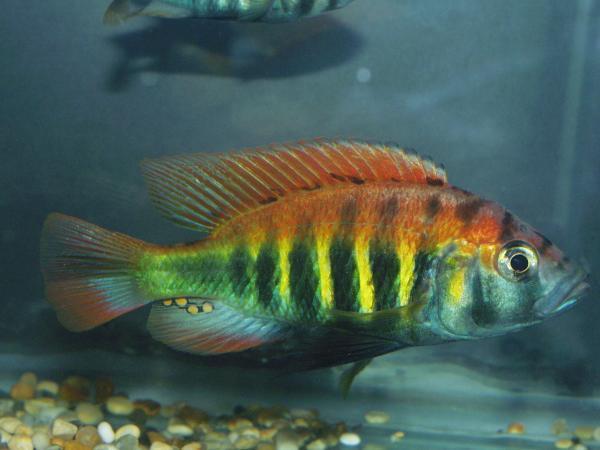
Eye color and hair color play an important role in finding partners in humans, but visual stimulation can also decide to choose a partner in the animal kingdom.
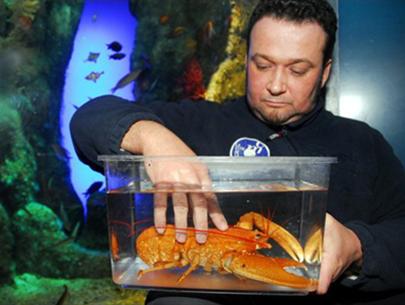
French fishermen were surprised when they caught a live lobster with a red crust like the color of the boiled shrimp. The female shrimp weighs 600gr, named
The worm lives on the skeleton of a small gray whale in an undersea gulf off California as the first known whale-eating seaworm. On the whale bone, once the worms have b…
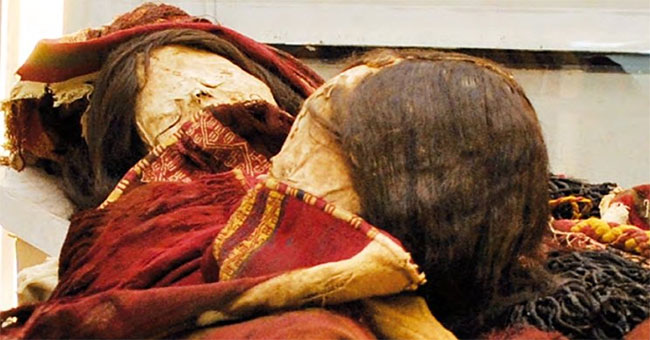
Red robes on the clothes of two sacrificed Inca young women hundreds of years ago could be used to stop grave thieves.
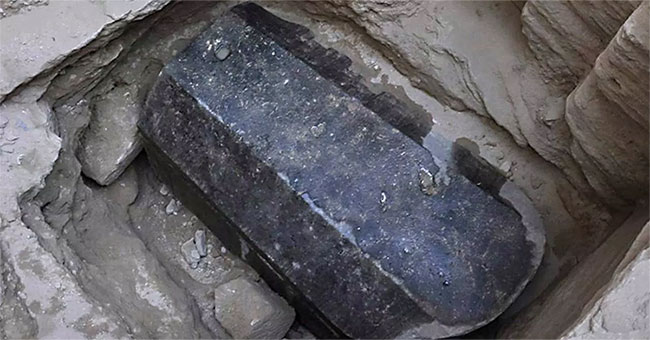
Archaeologists opened a 2,000-year-old black coffin in Alexandria, Egypt on July 19 to learn about the interior.
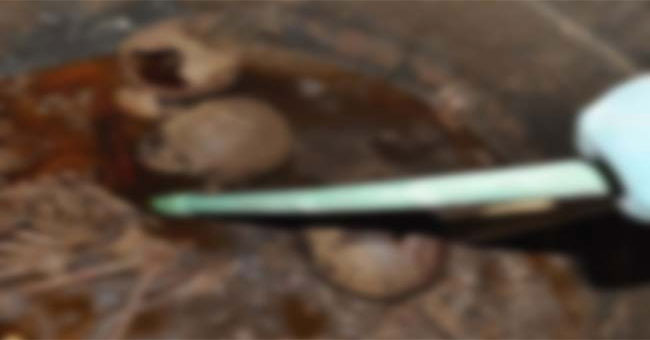
According to New.com.au, red liquid decomposes 3 mummies in a coffin made of black granite in Alexandria, Egypt.
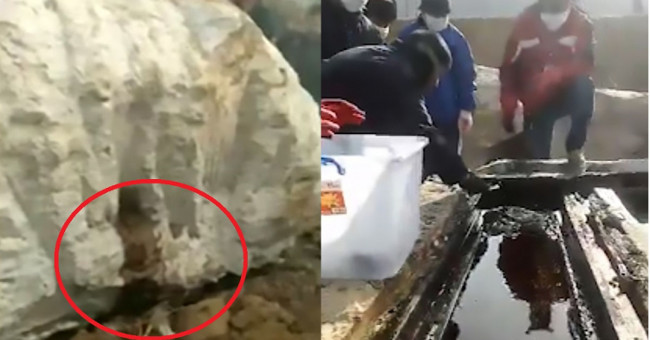
Villagers in Hebei, China discovered that the rock was flowing out of blood like blood when starting a construction.
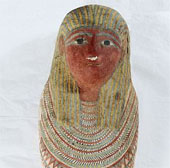
A tiny 20-inch (52cm) mummy, dating back to 600 BC, attracted the attention of many experts over the past 40 years.
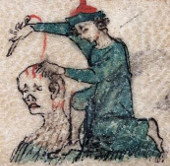
In the Middle Ages, people burned hemorrhoids with red hot iron, drilled holes in the skull without anesthetic, using sharp objects to remove the lens.