Oceanography
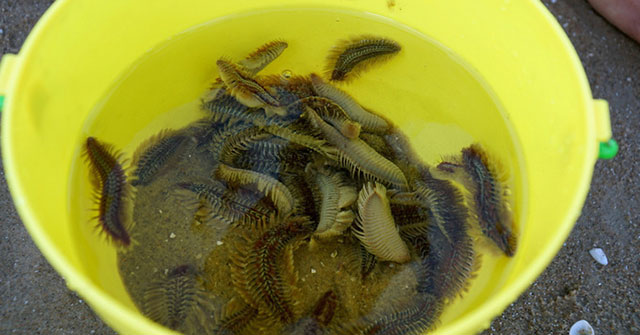
How dangerous is the worm appearing in Vung Tau beach?
Fireworms belong to a group of dangerous organisms, with a silk undercoat containing toxins, irritants, skin lesions, they eat snails and clams.
Browse ScienceInfo articles and explainers related to SEA.
3,672 published items.
Fireworms belong to a group of dangerous organisms, with a silk undercoat containing toxins, irritants, skin lesions, they eat snails and clams.

China's new manned deep-sea submarine will explore the deepest point of the world's oceans this year.

Giant crocodile dominating the ocean in ancient Dakosaurus was first discovered in Germany. It has a reptile-like body and possesses terrible hunting skills, comparable…
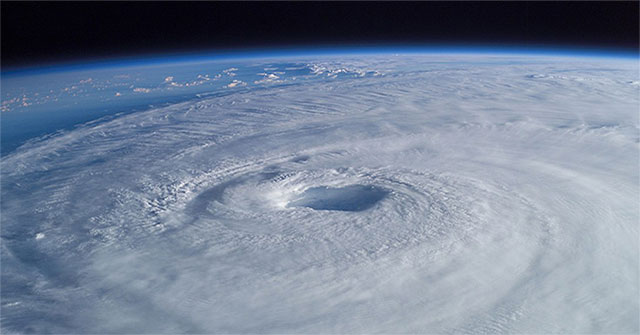
The bad news is until the storm season is near.

A fisherman could not believe his eyes when he discovered that the lake monster was a rare blood-sucking creature.

People need to change, to stop the suffering we have caused to this world.

A rare moment of recording the billowing clouds flowing from the 3000m high mountain like a waterfall makes many people fascinated.

Jellyfish, including any prepared jellyfish, should not be eaten by children.
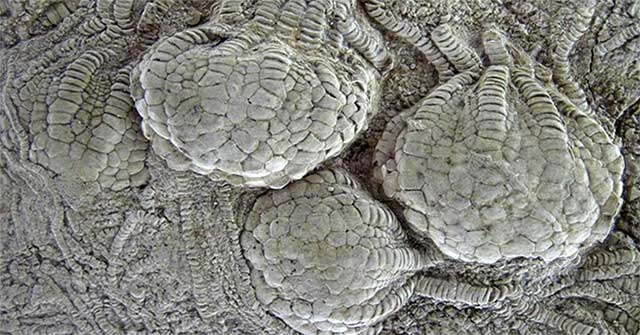
Strange fossils appear in chalk on many continents, on the body with unusual ball-shaped structures never seen in any animal on earth.
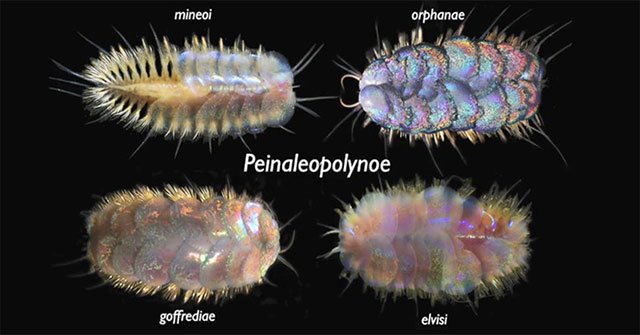
Four new species of worms have been discovered on the deep sea by submarines and remote-controlled diving equipment from the University of California San Diego, USA (UCS…
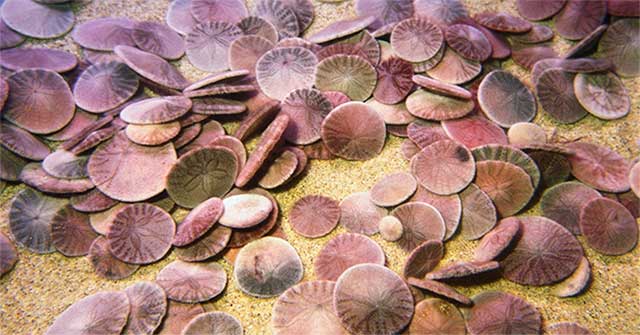
At first, the name sounds like an ancient trading method, but it is actually the name of a marine species with many interesting facts.

A woman walks on the beach south of Sydney, Australia, to her astonishment when a strange purple creature is washed ashore.
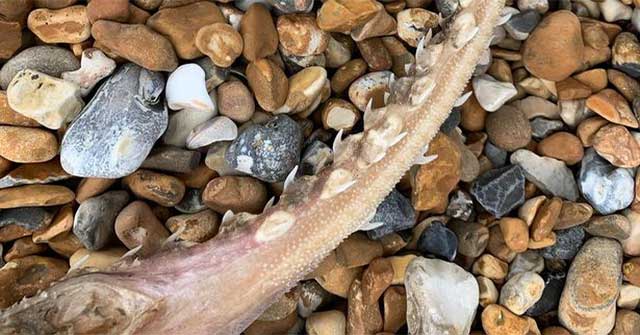
This bizarre shape was discovered by a girl named Leah Dennison while walking with her husband on the beach.

With outstanding scientific advances, it is hoped that in the near future, humans can solve all the mysteries of the hadal sea.
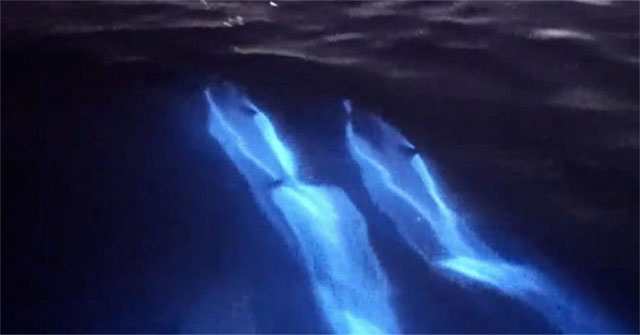
A photographer has recorded images that are thought to be extremely rare as dolphins glow in the darkness of seawater thanks to bioluminescence.