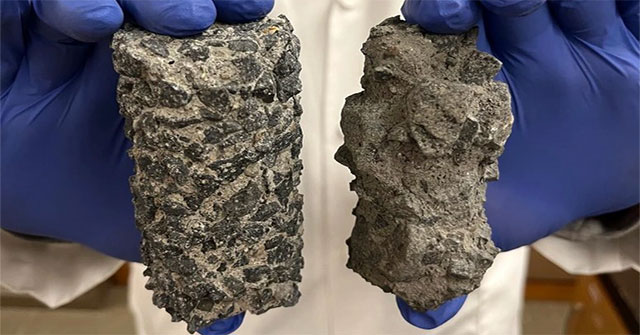
New technology
Successfully fabricating super-strong concrete materials thanks to nanotechnology
The new concrete model has improved 75% in waterproofing and 44% in reducing the corrosive effects of salt compared to commercial versions.
Browse ScienceInfo articles and explainers related to Salt.
471 published items.
The new concrete model has improved 75% in waterproofing and 44% in reducing the corrosive effects of salt compared to commercial versions.

Beer and cheese is a combination that is not too strange, but on the contrary, it is also very popular in many countries around the world. Interestingly, humans have bee…
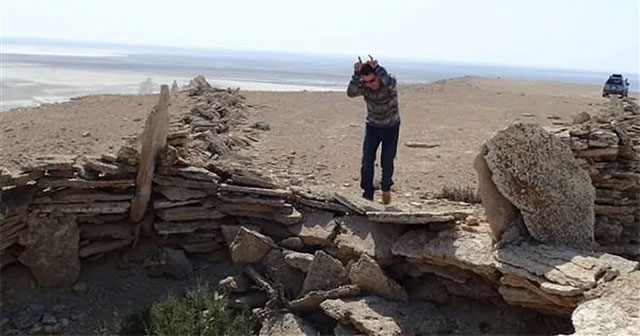
Ustyurt is located in Central Asia, spanning Kazakhstan, Uzbekistan and Turkmenistan.
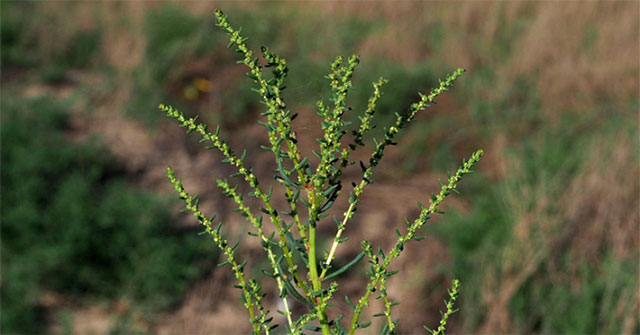
Chinese researchers have found a highly salt-tolerant plant that improves soil fertility in the Xinjiang Uygur Autonomous Region.

Despite its ultra-small size, the 0.5mm wide camera can capture color images at the same quality as conventional lenses 500,000 times larger.

A new piece of evidence of the timeless development of the Maya has been unearthed under the Belize lagoon on the Caribbean coast, showing that the empire possessed a re…
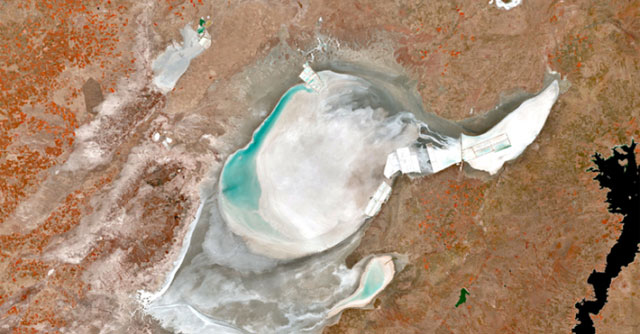
Salt Lake Tuz, which has an estimated 250 million tons of salt reserves, is drying up due to climate change and agricultural development.

Copenhagen-based start-up Seaborg Technologies is working on a new type of nuclear reactor that is cheap, mobile, flexible and super safe.
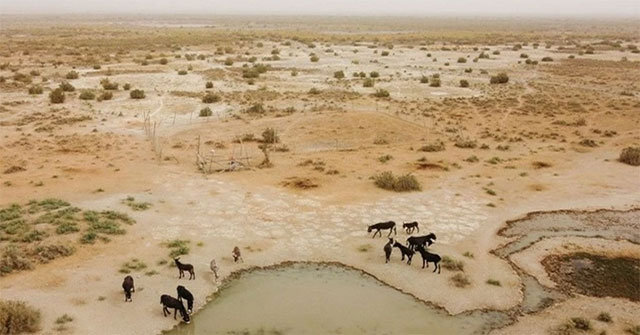
A molten salt nuclear reactor that uses thorium instead of uranium could be built in the desert and provide electricity for 100,000 people.
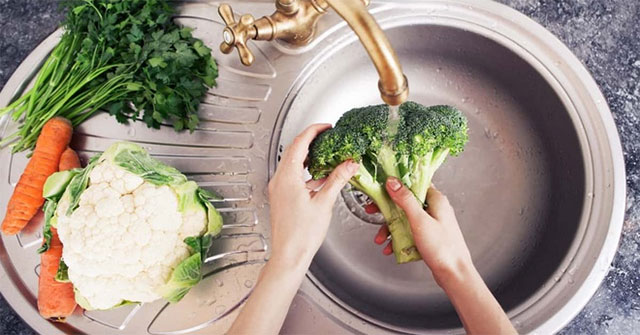
Washing vegetables needs to go through certain steps to ensure that they are clean of dirt and chemicals, but do not lose vitamins that are good for health.
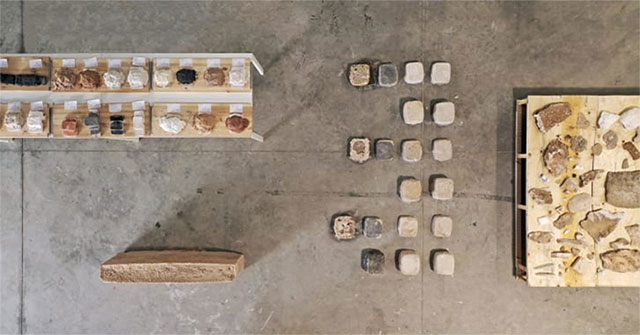
Two architects in Dubai (United Arab Emirates - UAE) are looking to break the traditional building rules when they want to use cement made from salt to build houses.

The photo was taken on June 26, 2019 in a special area of the Tarapaca region in northern Chile, where the largest caliche mines (or Chilean matches) can be found.

Severe heat can cause edema, rash, cramps or fainting, exhaustion, and heat stroke. Timely treatment helps effective treatment, health protection.

Craving for chewing ice, being sleepy all the time, irritably without cause ... seems like normal signs, not worrying.

Large herbivores such as elephants often look for natural mineral deposits to replenish their sodium intake because minerals from plants and water are not sufficiently s…