Oceanography
Watch sea turtles by satellite
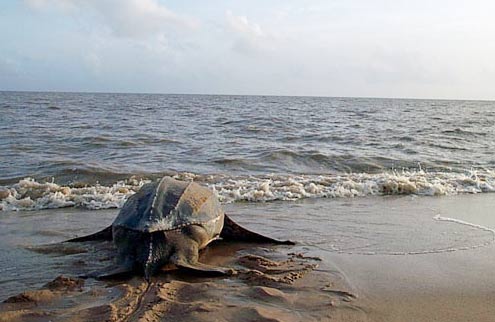
Conservation International - Conservation International has launched a satellite turtle monitoring program. Environmentalists will oversee the migration of 11 leather tu…
Browse ScienceInfo articles and explainers related to Sea.
3,672 published items.
Conservation International - Conservation International has launched a satellite turtle monitoring program. Environmentalists will oversee the migration of 11 leather tu…
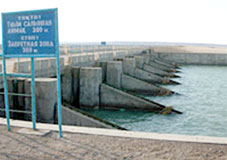
When the Sun began to appear on the Aral Sea (located in Central Asia, north of Kazakhstan, South to Uzbekistan), Alek sailed to the sea. After a moment of letting go of…
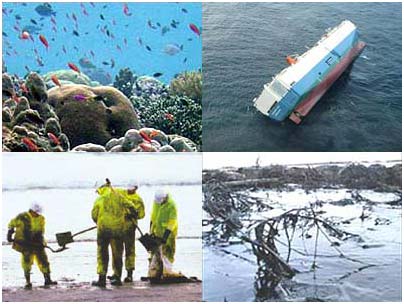
Over the months, the origin of the oil scum that polluted throughout the coast of Vietnam has not been determined. But oil scum is not the only threat to Vietnam's marin…
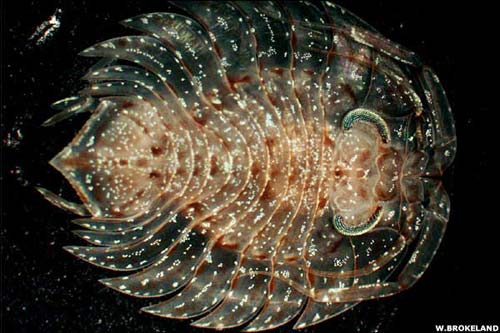
Scientists have found more than 700 new species of marine creatures that were once thought to be too harsh to have life. Among these, there are also sea urchins that eat…
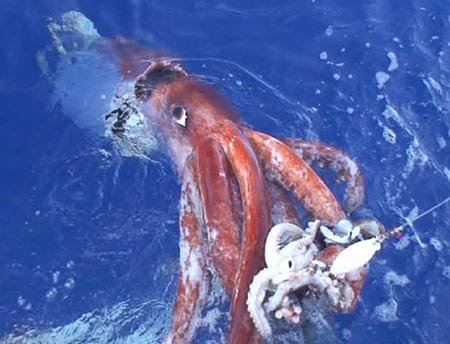
The giant squid not only lives deep in the sea but also has the ability to swim very fast. Japanese scientists have unveiled unique images to prove this in a movie about…
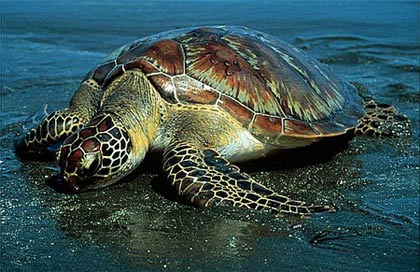
Sea turtles always return to familiar areas to lay eggs. On average, every 4 years, they swim in the ocean without any landmarks, moving hundreds, even thousands of kilo…
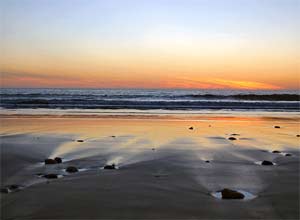
A beach trip means sand in your feet, salt water in your mouth and cool air in your nose. But what brought the sea something so pleasant and unmistakable? Now the curtai…
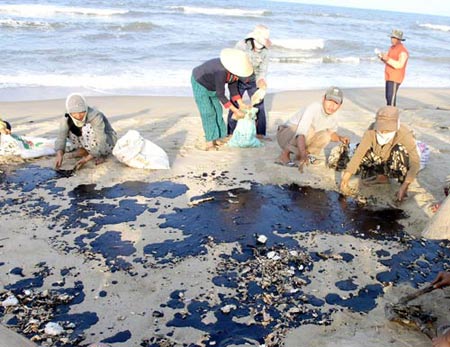
Oil spill disaster in the Central Sea is approaching ... disaster, but the ability to remedy is very limited. Central provinces are asking for help!
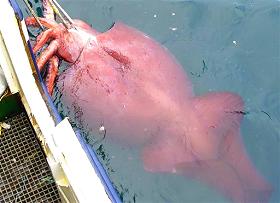
New Zealand fishermen have caught a giant squid weighing about 450kg and have large cannons of the size of a wheel. This giant squid (scientific name Mesonychoteuthis ha…
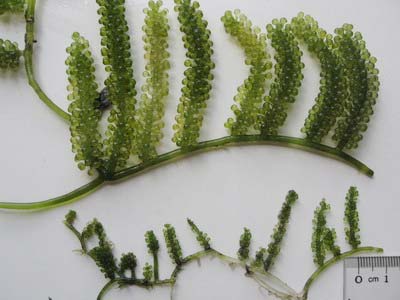
Nha Trang Institute of Oceanography has successfully cultivated grapes, also known as sea grapes, which can be used as a high-class vegetable. 1 kg of sea grapes is curr…
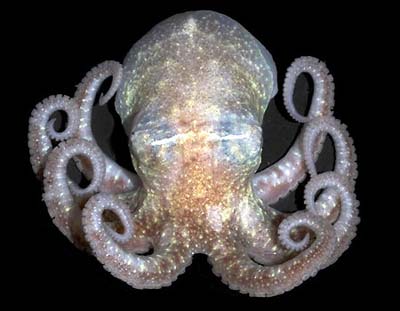
What is the bottom of the Antarctic sea? The melting of two giant ice blocks in this region has recently created the opportunity for thousands of years to discover a bot…
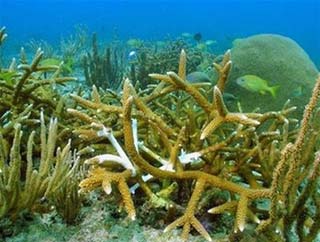
The world could lose more than half of coral reefs in less than 25 years due to rising sea temperatures, algae and other toxic components, scientists warn.
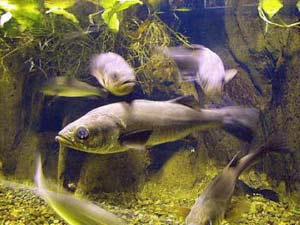
Scientists say there will be almost no fish or other seafood in the middle of the century if the current rate of exploitation continues. According to the latest study, t…
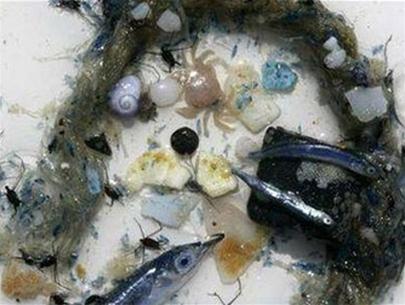
Old toothbrushes, sea toys and even used condoms are a huge amount of waste floating in the central Pacific region.
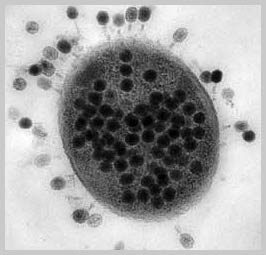
The ocean has many creatures: big, small, and extremely small. Microbial viruses (phage) are microscopic and self-replicating biome communities that can alter the geneti…