
Biology
Revived ancient virus 30,000 years old
French scientists are cautious when trying to revive a frozen prehistoric virus in Siberia.
Browse ScienceInfo articles and explainers related to Siberia.
179 published items.
French scientists are cautious when trying to revive a frozen prehistoric virus in Siberia.

A group of scientists from the French National Center for Scientific Research (CNRS) announced they had revived a giant but harmless virus buried deep in the permafrost…

Perhaps the next encyclopedia of botany must be rewritten. Siberian scientists have found a way to make tropical vegetables adapt to the cold climate of Russia.
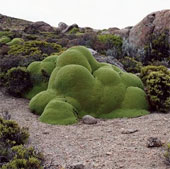
This tree is a relative of coriander, which looks almost mossy but is essentially a shrub growing in the Atacama desert.

By traditional breeding methods, city scientists in Siberia and Russia created fast-growing plant varieties capable of decontaminating soil.
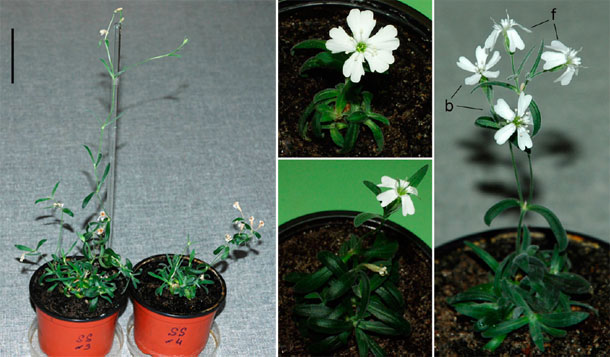
Russian scientists have discovered a 30,000-year-old fruit that is naturally preserved in squirrel caves in Siberia's permafrost. They conducted experiments to revive th…

Scientists have discovered a blood-sucking moth in Russia's Siberia region. Their blades have hooks and prongs to drill deep into the prey's skin.
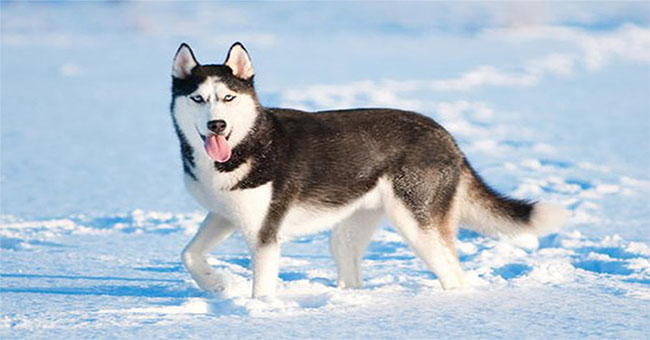
Husky dogs have many different names such as Chukcha, Chuksha, Husky, Icee, Sibe or Husky Arctic.
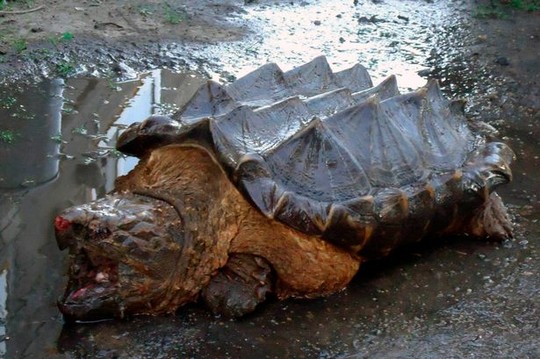
A rare turtle that looks like it came out of prehistoric times suddenly appeared on the beach in Siberia.

A dog raised in the region of Omsk, western Siberia of Russia, can help owners of daily tasks such as cultivating, pumping or carrying water.
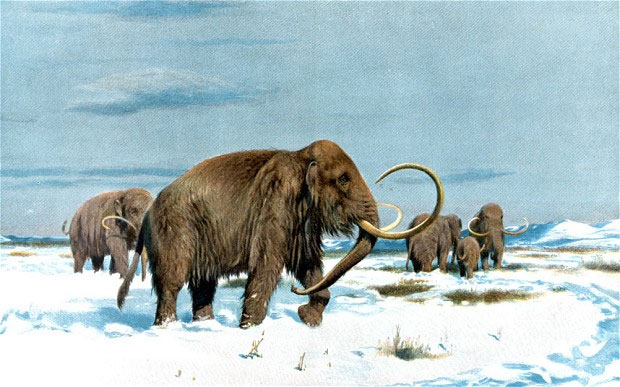
The idea of mammoth replication comes closer to reality when scientists discover that some parts of mammoths are well preserved in ice in Siberia in Russia and that th…
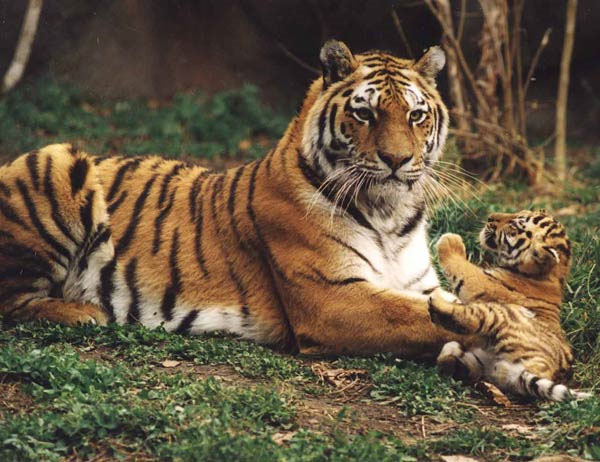
According to Itar-tass news agency, Safari zoo, Ardeche province, southern France has just welcomed two cubs of Amur at the end of December 2011. This is a rare birth in…
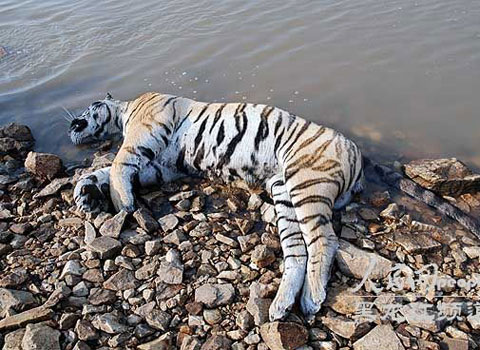
Animal conservationists have recorded the first image of the wild Siberia tiger in the mountains of China.
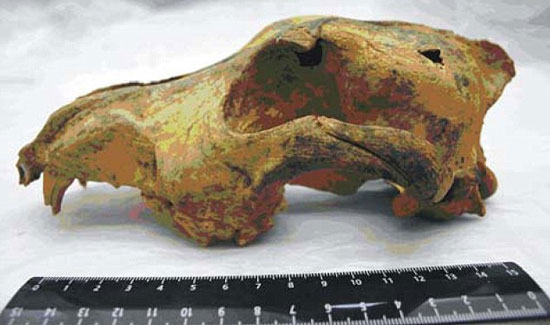
A group of Russian-led international archaeologists have discovered a skull of a supported dog dating back to 33,000 years in the cave of Siberian Altai mountain.
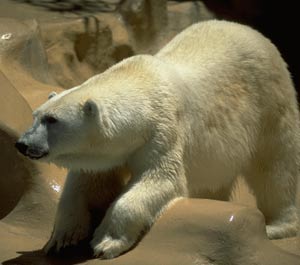
Wanting to survive the cold months in Siberia, bears often have to hibernate, starting in November and November and lasting 6 months. However, at this time of year, the…