
Cancer
Caffeine is used to kill skin cancer cells
A cup of coffee a day can help prevent skin cancer. A new study shows that caffeine helps eliminate human cells damaged by ultraviolet rays, which is one of the key poin…
Browse ScienceInfo articles and explainers related to Skin Cancer.
73 published items.
A cup of coffee a day can help prevent skin cancer. A new study shows that caffeine helps eliminate human cells damaged by ultraviolet rays, which is one of the key poin…

Many scientists have warned that using cosmetics containing formaldehyde toxins will be factors that lead to skin cancer.

UK researchers have developed a new way to inject drugs into the skin without using needles, to increase the amount of medication absorbed into the skin to improve the e…
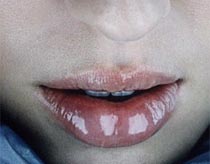
Instead of protecting the lips, the lipstick makes the lips absorb more intense ultraviolet rays, a dermatologist at Baylor University in the US said.

'Every year, Vietnam has hundreds of cases of skin cancer and is mainly exposed to the sun,' said Pham Thuy Lien, Chairman of the Vietnam Cancer Society.

Scientists in the United States have succeeded in using gene therapy to treat the most dangerous form of skin cancer. This new therapy is based on the idea of a defens…
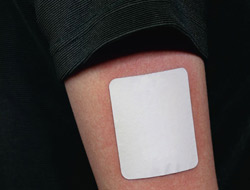
A type of patch used to treat common skin cancers has been developed by researchers in Scotland. The type of

Do you know about skin cancer? What will you do if you find many pigments on your body? How to prevent? The 10 answers below will help you get through.

The glowing tape has a power cord, which can be safely worn at the waist or put in a pocket (pants) when moving.
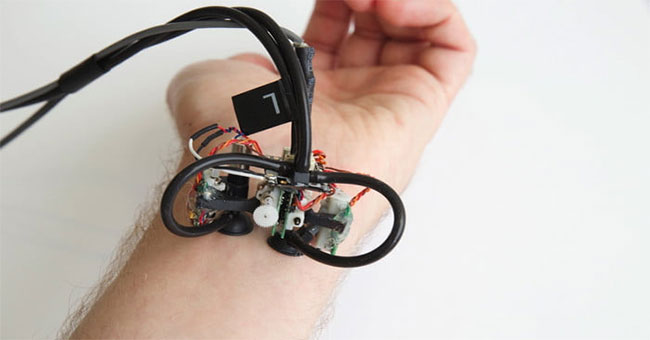
Scientists at the Massachusetts Institute of Technology have just developed a new type of robot capable of supporting screening for skin diseases, including skin cancer.

New technology - Watson comes from IBM, opening a new horizon in the diagnosis of skin cancer. Along with the ability to learn knowledge from the surrounding, to make Wa…
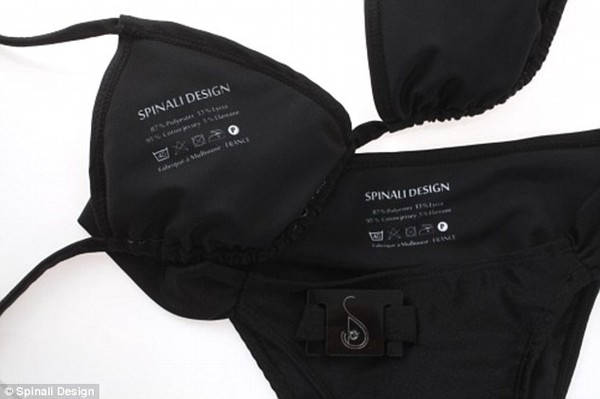
A special bikini swimsuit created to help you avoid the risk of sunburn and skin cancer during summer swimming.

Researchers at the University of Missouri, USA, have successfully fabricated a photoacoustic (laser-based ultrasound-based) imaging device that detects (faster, cheaper…