
Science invention
What is the most dangerous invention humanity has ever created?
Human life has become more civilized and developed thanks to inventions. However, some of them also pose a danger to the world.
Browse ScienceInfo articles and explainers related to Smartphone.
406 published items.
Human life has become more civilized and developed thanks to inventions. However, some of them also pose a danger to the world.
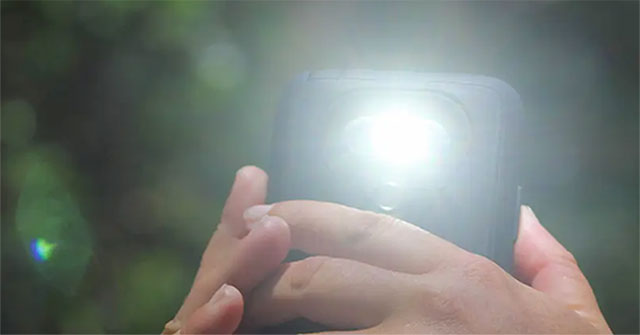
Smartphones often come with a pretty powerful flash, which is convenient and easy to use. But you should stop using the flash as a flashlight right now.

A painting from 1882 has recently sparked time travel theories after its remarkable details were discovered.
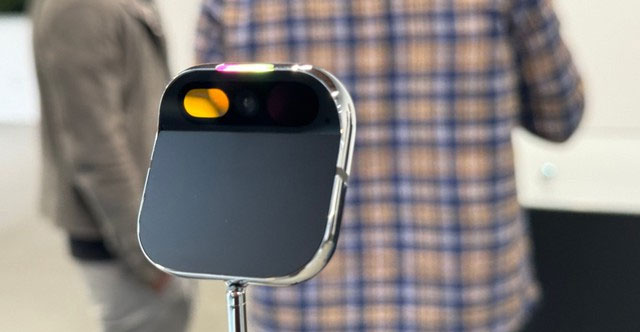
Can the $699 product from former Apple employees fulfill this ambition?
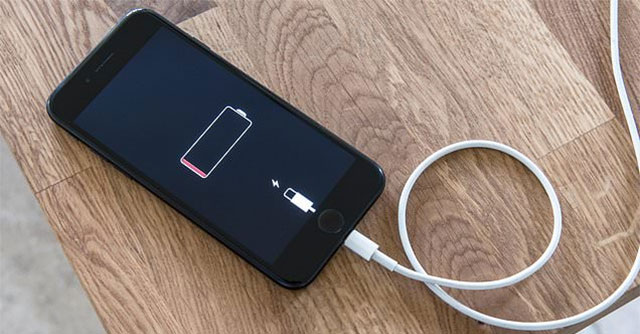
Thanks to a breakthrough study from the University of Colorado (USA), the possibility of a smartphone being able to fully charge in 1 minute is no longer a far-fetched d…

Without inspiration from electric eels, we wouldn't have batteries to put in today's smartphones.
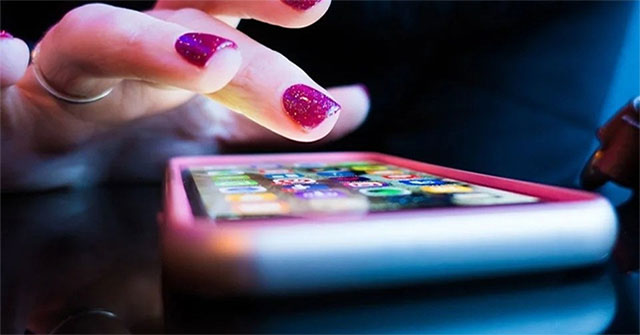
Users do not need to spend money to buy a new phone or replace the battery but can still speed up their old phone with these two simple ways.

Ambient light sensors in smartphones may pose unwanted privacy risks.
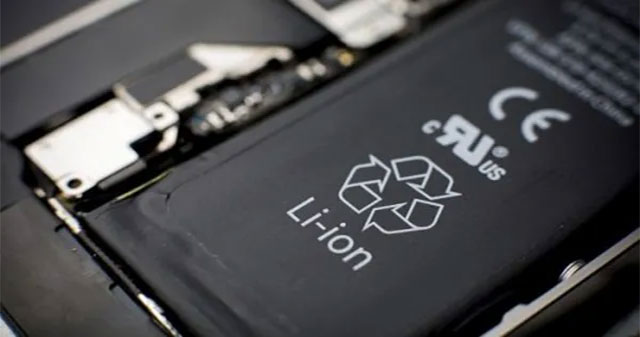
We need safer ways to recycle electric car batteries and cell phones. Therefore, it is not feasible to recycle lithium batteries for car cell phones.
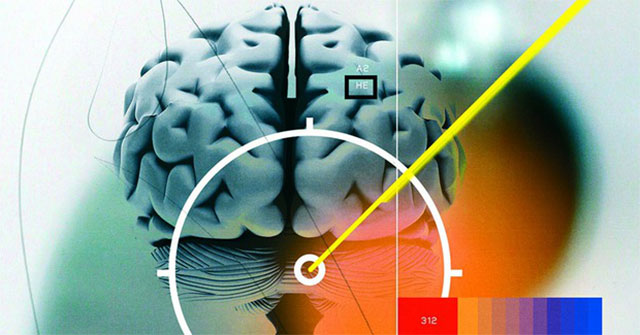
The number is equivalent to the chip of a smartphone using a 4G network.
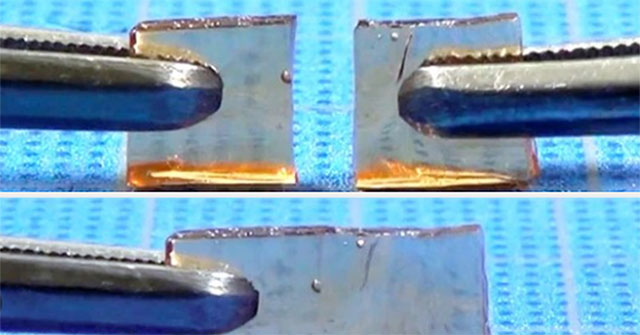
Japanese scientists have found a way to make plastic that can heal itself at room temperature, which can be used to make smartphone screens and other products.
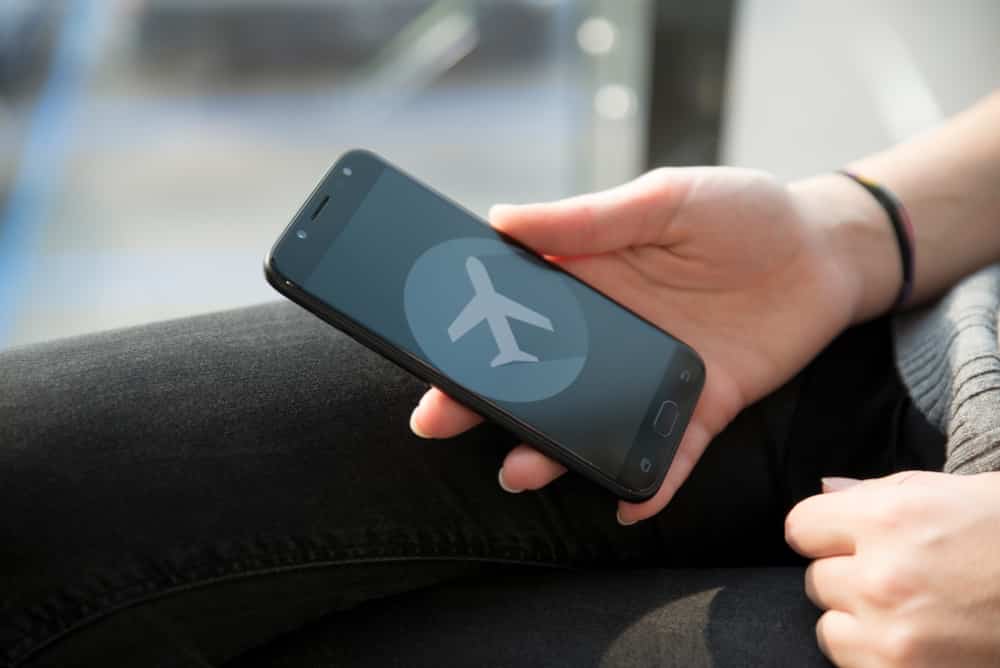
In addition to turning on airplane mode when traveling by plane, it also has a lot of useful uses in daily life.
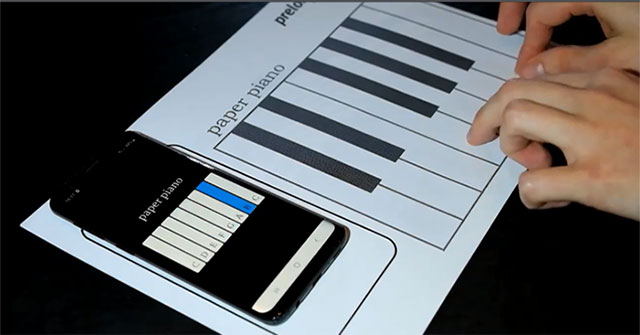
The Austrian company creates paper pianos by printing the keys and circuit boards on paper, which are then combined with chips and smartphones.
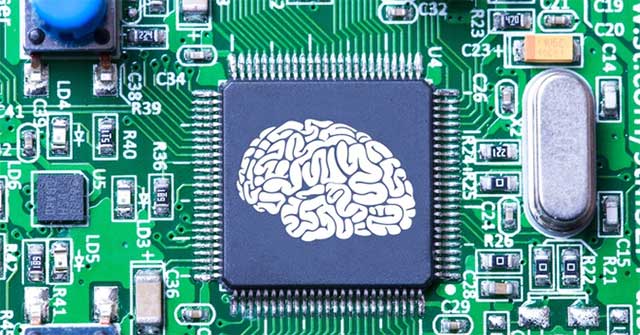
Researchers at MIT have successfully developed a type of 'memristors' artificial synapses with the most powerful processing performance ever.

From wireless charging technology to smartphones, scientists are continuing to study further to be able to provide power at greater distances and to moving objects such…