Space science
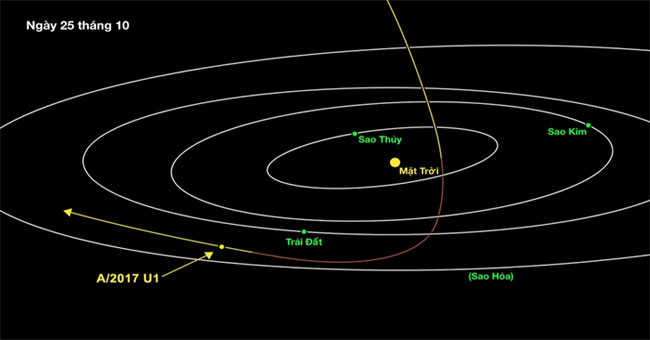
For the first time, identify an object from outside the Solar System
For decades, sky observers have been constantly searching for thousands of new celestial bodies, but they all have a starting point somewhere in the Solar System.
Browse ScienceInfo articles and explainers related to Solar System.
420 published items.
For decades, sky observers have been constantly searching for thousands of new celestial bodies, but they all have a starting point somewhere in the Solar System.

Previously, scientists had difficulties in detecting water vapor in the atmosphere - a sign of extraterrestrial life. But thanks to a new NASA study, this could change.
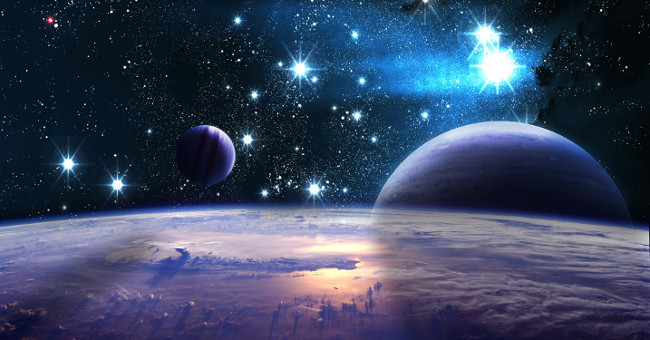
If a planet is too far away from its star, surface water on the planet will freeze, if the mineral is too close, surface water will evaporate into the universe.

Gill Broussard, an astronomer, declared that it was only a matter of time. The giant planet Nibiru or also known as Planet X will appear.
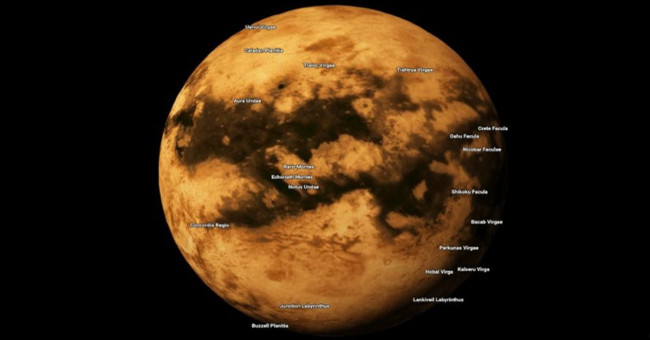
Not only that, the world's leading technology company has added 12 other planets in the Solar System to users to explore freely.
Over the years, NASA has deployed a series of space missions with the ambition of exploring the mysteries in the Solar System, where the Earth belongs.
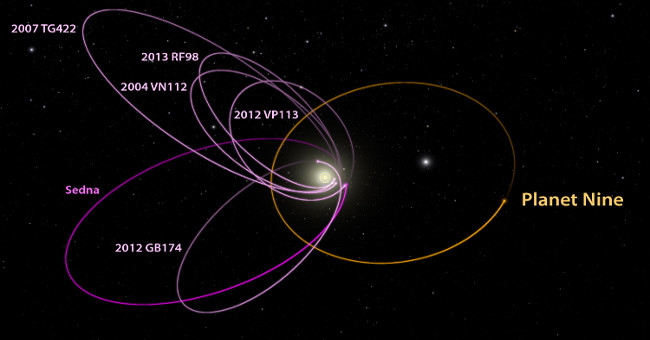
According to the Daily Star, those who believe in conspiracy theory and scientists once mentioned a mysterious X planet, located three or four times the distance from th…
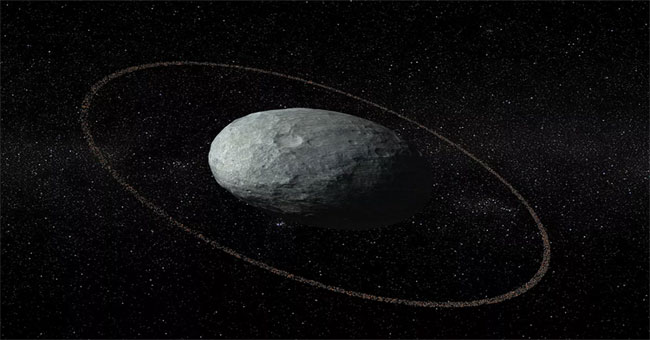
Astronomers at the Andalusia Institute of Astrophysics, Spain, and colleagues discovered a large belt around the Haumea dwarf planet outside the orbit of Neptune.
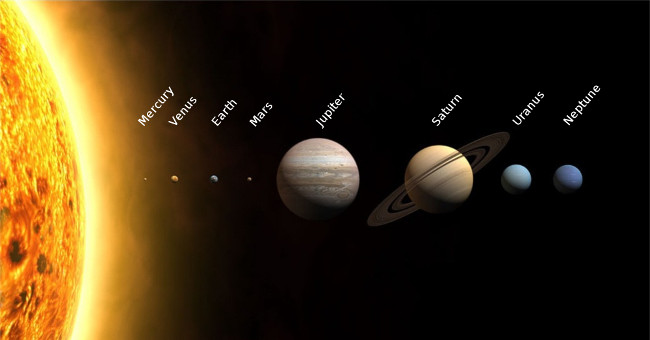
Since the discovery of Pluto in 1930, school-age children will learn about nine planets in our solar system.
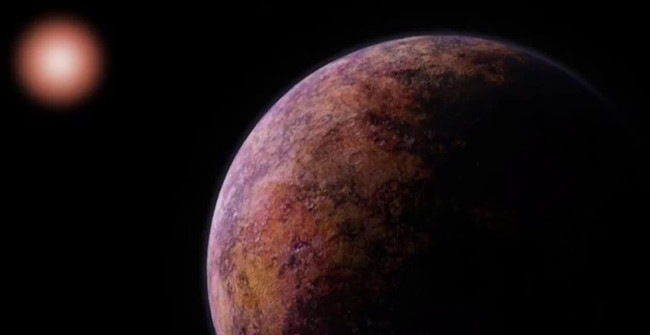
Adding a dwarf planet that just appeared in the Solar System caused a stir in the scientific world.
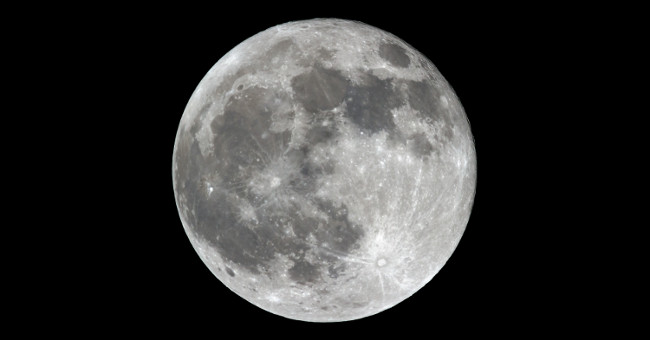
The south pole near the south pole of the Moon has won

Understanding these numbers allows us to prepare carefully for space travel, especially the mission to enter deep space and land the planet.
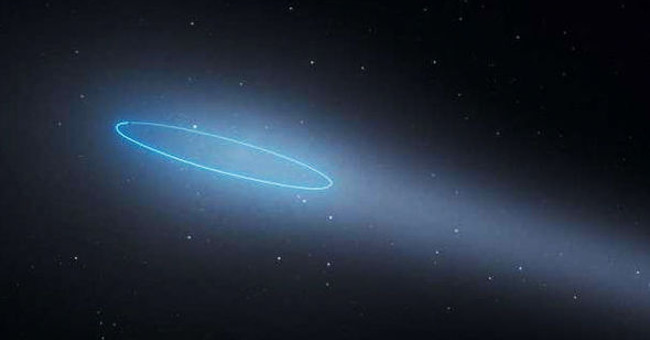
Scientists have discovered comet-like features that the pair of asteroids show, including a halo of matter and a long dust tail.
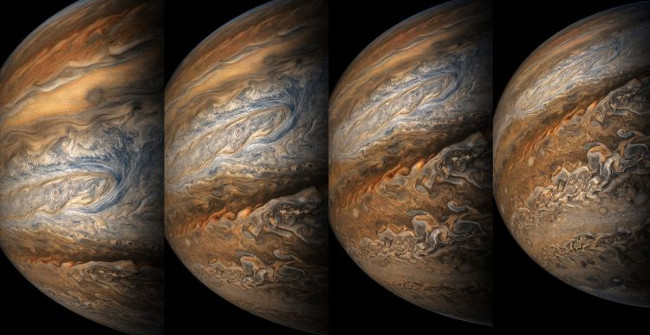
NASA's Juno spacecraft just captures stunning close-up images of the planet's largest solar system.
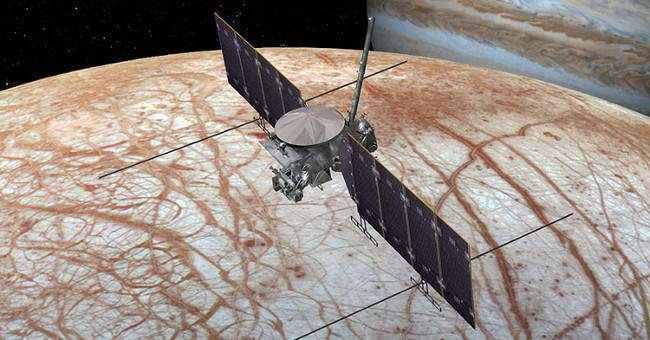
Mars, Pluto, Jupiter and Saturn gather conditions suitable for alien life to form and develop.