
Space science
Detecting the outer three planets about the size of the Earth
The planets were discovered by NASA's Kepler spacecraft, by tracking the obscured light of the host star as the planet passes through the star's bright region.
Browse ScienceInfo articles and explainers related to Spacecraft.
1,157 published items.
The planets were discovered by NASA's Kepler spacecraft, by tracking the obscured light of the host star as the planet passes through the star's bright region.
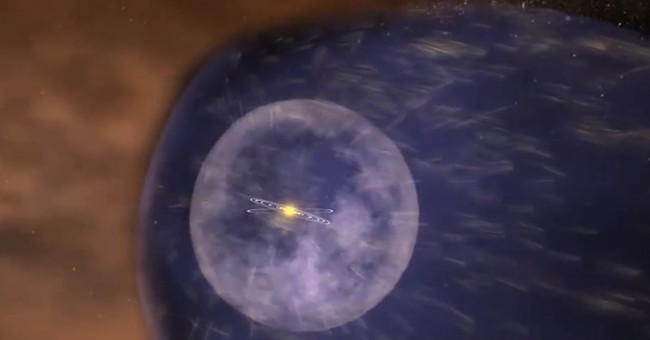
The Johns Hopkins University team hopes the spacecraft more than 320,000 km / h will reach the interstellar space by 2070 at the latest.

The warp engine - Warp drive is an imaginary spacecraft propulsion that allows us to travel faster than light (FTL - faster-than-light), most notably in the Star Trek se…

Soon after, the Chinese authorities confirmed that the unidentified flying object was the first part of the 4C Chinh Chinh missile to be used to launch the satellite int…
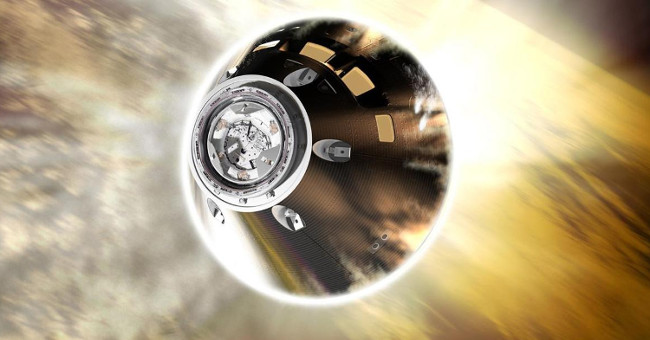
In 1959, when the first seven astronauts of NASA first saw the small space chamber and only for one of the Mercury spacecraft, they were not impressed.
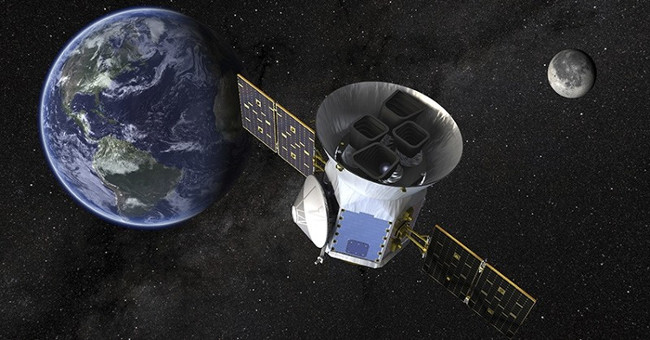
NASA is ready to launch a dishwasher-sized spacecraft worth $ 337 million with the aim of expanding exploration of planets outside the solar system.

Scientific studies have given evidence of the times when the earth deals with giant meteorite collisions, causing genocide.

The latest image shows a powerful tornado on Jupiter creating exotic patterns, like brilliant roses.
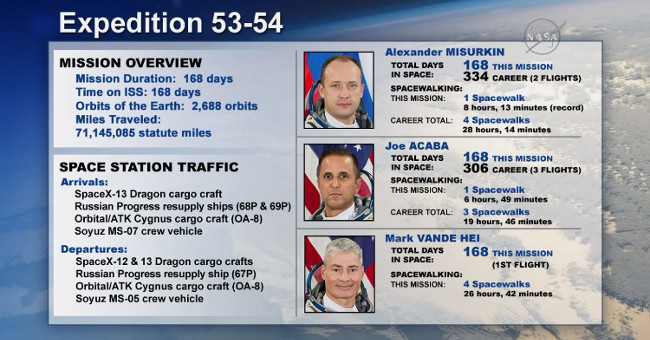
The crew's meaningful return trip was broadcast live on NASA TV channel.

The first 'spaceship' piloted by a group of young Vietnamese engineers, led by Pham Gia Vinh, will take people to space in May 2018.

This star has a radius of about 58% compared to our Sun, the mass occupies 65% of the sun, and has at least three
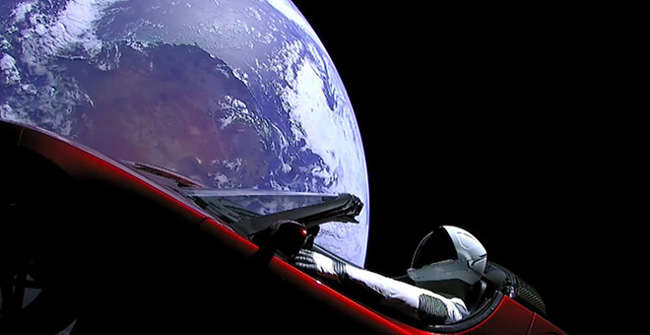
Falcon Heavy carries on itself the beloved billionaire car of billionaire Elon Musk that was successfully launched. However, its outcome is still a question that many pe…
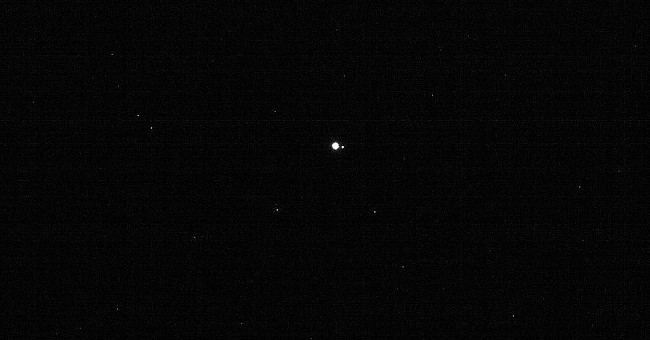
NASA announces the image of Earth and Moon by OSIRIS-Rex spacecraft from a very far-off space.
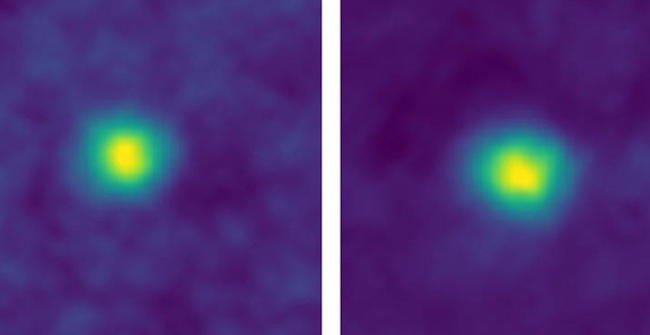
The New Horizons spacecraft sent photos of Wishing Well and two 2012 HZ84, 2012 HE85 objects from the farthest distance in the universe.
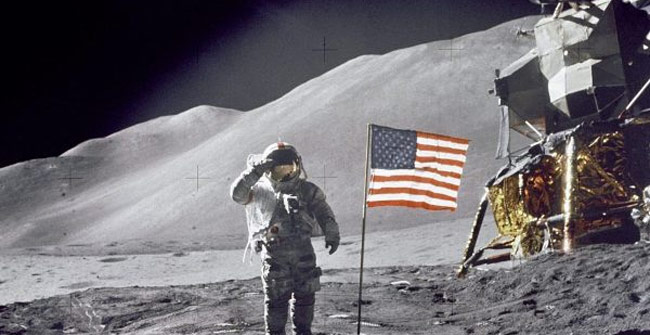
In October 2014, a video of NASA's Orion to Mars program was posted on YouTube. There is an opinion that this video has