
Medicine - Health
Why is it possible to conceive twins?
The woman must have 2 eggs simultaneously in the same menstrual cycle and both eggs are conceived by 2 different sperm, this situation is extremely rare.
Browse ScienceInfo articles and explainers related to Sperm.
416 published items.
The woman must have 2 eggs simultaneously in the same menstrual cycle and both eggs are conceived by 2 different sperm, this situation is extremely rare.
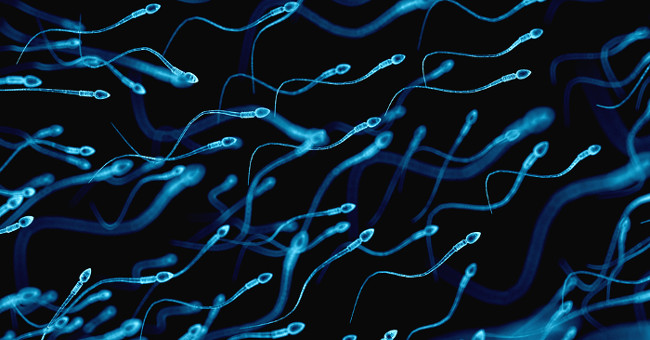
This study has been widely regarded as a major step forward in in vitro fertilization methods, especially in the context that about 15% of couples in the world are in a…
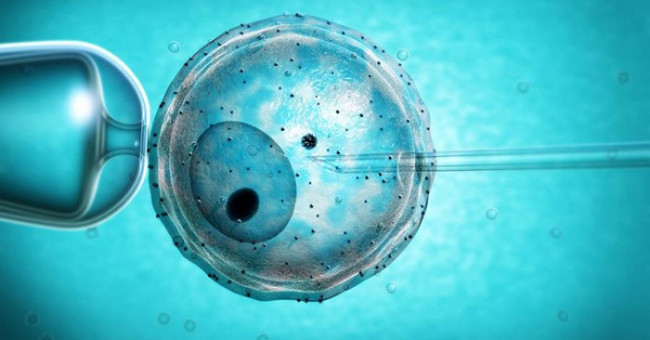
Scientists have discovered a new threat that can greatly affect in vitro fertilization technology.
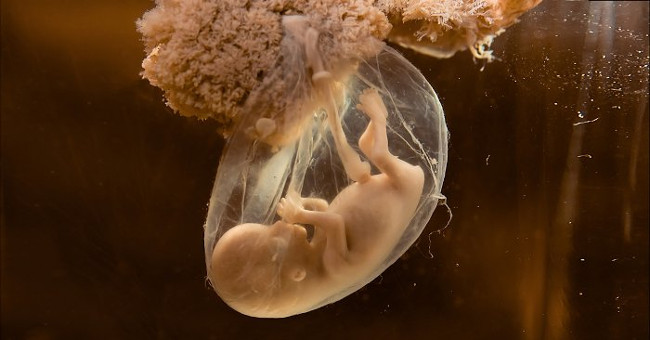
There are no significant differences between babies born in vitro fertilization and babies born naturally.

Many studies show that, although developing more slowly, people with Down syndrome can still develop as normal people.

One of the interesting findings: sex is not 'exclusive' for any gender, age ...
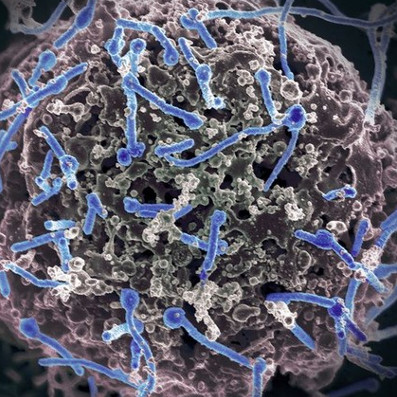
WHO has identified this study reinforcing the evidence that Ebola virus is possible
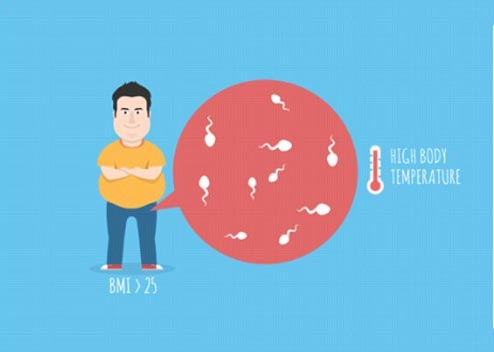
The latest research shows that up to 1/5 of the young men in the world own the amount
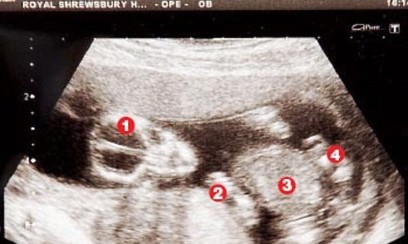
Every month the woman has only one egg to ripen and fall. In some cases, there are 2, 3, 4 ovulation at the same time causing the twin fetal fertilization, tam thai, and…

Harvard University experts say that consuming a lot of organic foods such as crop products and pet products will help increase sperm count by twice.

He came closer to allowing the scientific community to use infant-generating techniques from the three people's DNA, after the House of Representatives voted.
British scientists use skin cells to create sperm and eggs, an achievement that could lead to a revolution in infertility treatment.
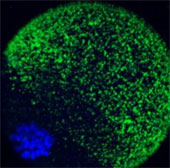
The researchers found countless bright spots that flashed brightly at the time when sperm met eggs, creating new life.
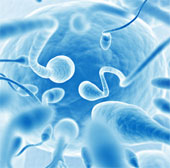
As we know, in the process of fertilization sperms must compete in a very fierce race to be able to fertilize eggs.
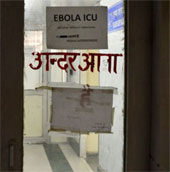
On November 19, Indian authorities ordered the isolation of a healthy man but the sperm contained the Ebola death virus.