Space science
Strange object the size of Earth appears on Jupiter
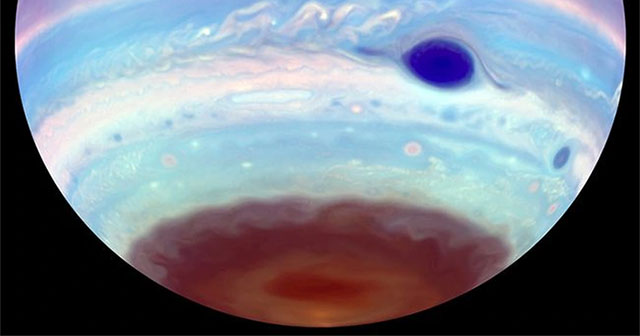
Using the Hubble Space Telescope, planetary scientists observed dark oval-shaped objects appearing on Jupiter.
Browse ScienceInfo articles and explainers related to Spot.
263 published items.
Using the Hubble Space Telescope, planetary scientists observed dark oval-shaped objects appearing on Jupiter.
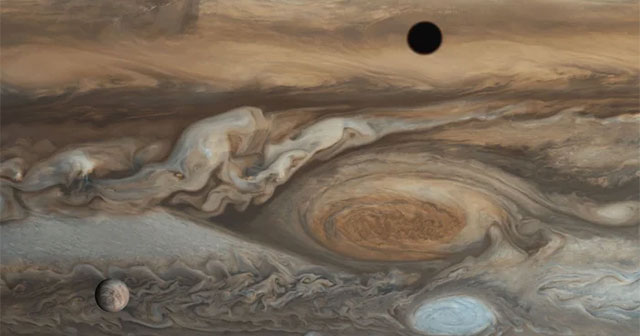
Jupiter's atmosphere is divided into four layers: the troposphere, stratosphere, thermosphere, and exosphere. Each layer has its own function and role in Jupiter's activ…
Killer whales can reach body lengths of up to 9.45 meters, but their eyes are so small that we might even think they have no eyes unless we look closely.
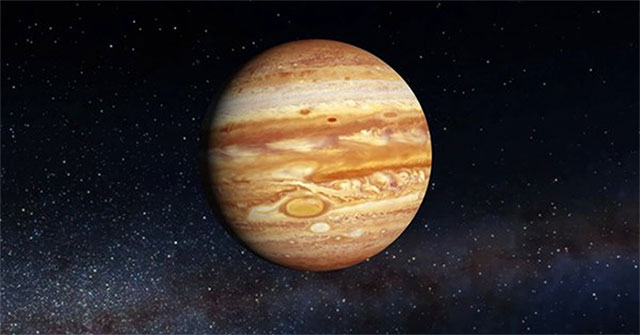
It is the fifth planet from the Sun and the oldest of the planets.
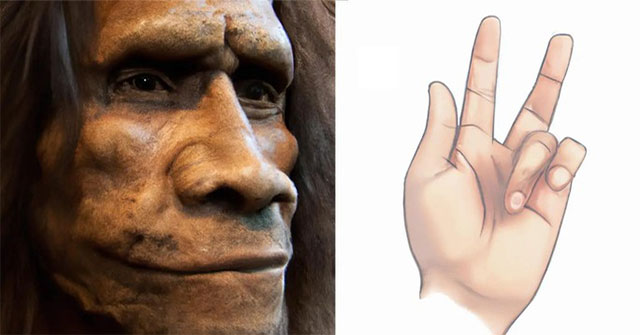
A new study led by the 2022 Nobel Prize winner in Medicine finds
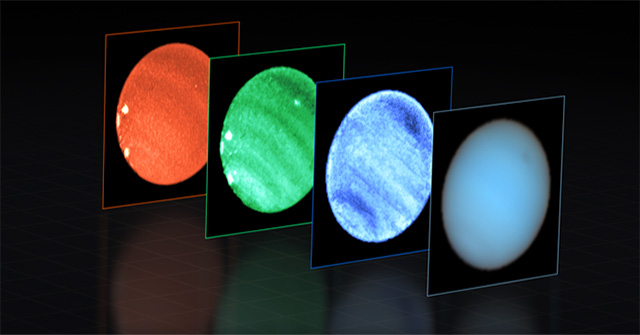
A vast dark area that has scientists baffled is growing and multiplying on a planet in our solar system, accompanied by a similarly puzzling bright spot nearby.

Even with the best fishing spots or the best fishing gear, you can still end up with no fish if you go fishing at the wrong time.

Astronomers have discovered a large and mysterious dark spot in Neptune's atmosphere.
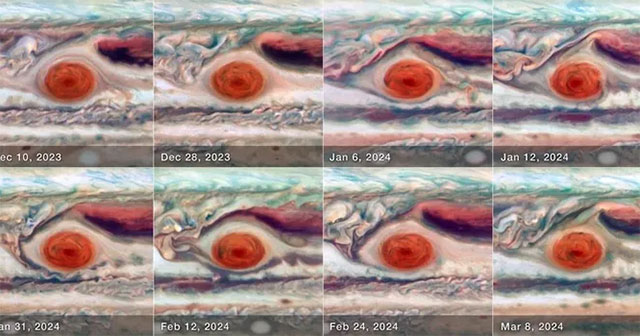
New observations of Jupiter's Great Red Spot captured by the Hubble Telescope have revealed the 190-year-old storm wobbling like jelly and changing shape like a squashed…
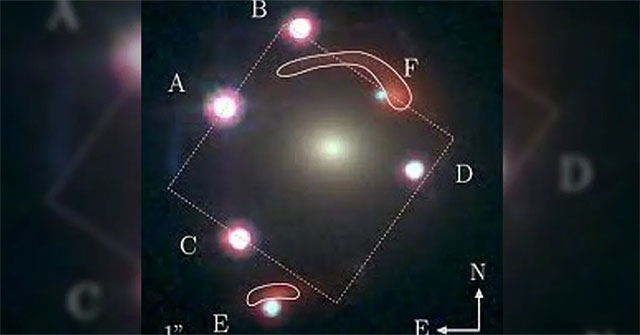
This is the first time scientists have observed a mysterious phenomenon called

Scientists at MIT have developed a robot dog that can play soccer using a combination of artificial intelligence (AI) and computer vision.
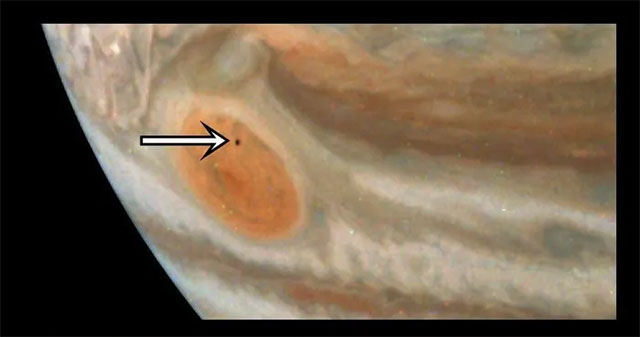
NASA's Juno spacecraft has discovered Jupiter's elusive fifth moon passing through the giant planet's Great Red Spot.
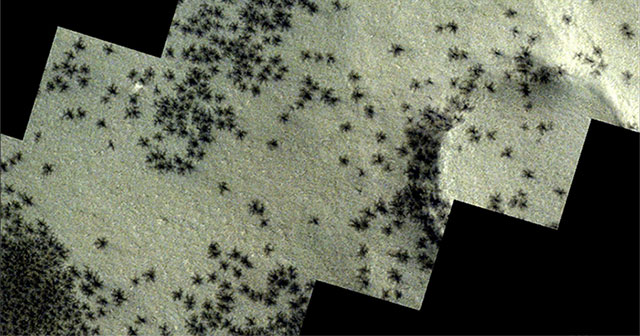
New photos taken by the European Space Agency of the south polar region of Mars show dark spots resembling a flock of giant spiders crawling on the surface of the red pl…
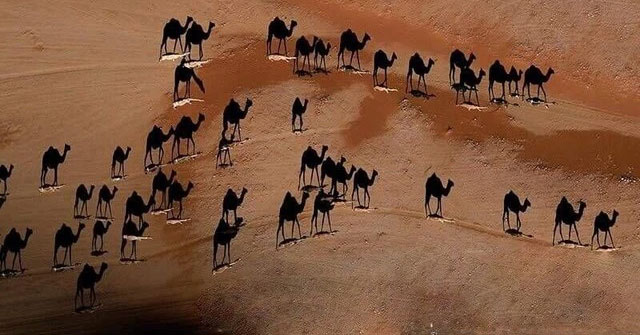
This photo went viral after being posted on Turkish social networks a long time ago. The person who posted the photo is George Steinmetz - an American photographer.
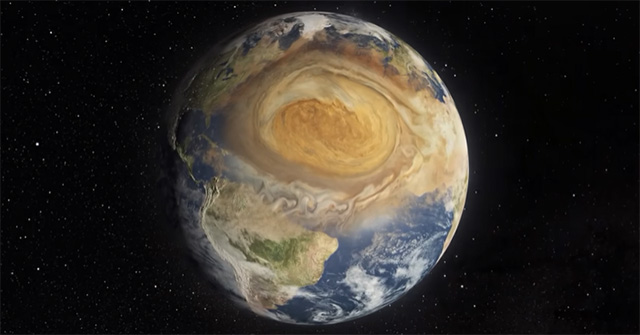
If it appeared on Earth, the Great Red Spot would cover 40% of the planet's surface and rise into space with destructive winds of 680 km/h.