Space science
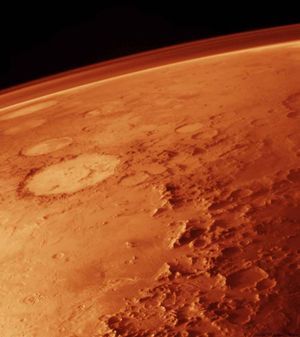
Evidence of widespread water in Mars
According to reports from Nasa's Opportunity probe, there is a network of water spread across a vast area hidden beneath the floating dunes on Mars's surface.
Browse ScienceInfo articles and explainers related to Star.
2,098 published items.
According to reports from Nasa's Opportunity probe, there is a network of water spread across a vast area hidden beneath the floating dunes on Mars's surface.
People always wonder where our earth is, our galaxy comes from. A group of scientists recently reached a step closer to the answer ...
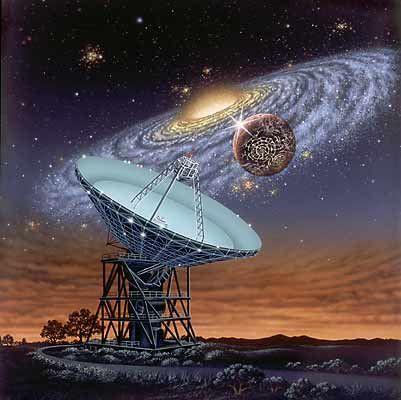
Things have changed since Secretary Kirk and Spock conducted a search for life and new civilizations.
Things have changed since Secretary Kirk and Spock conducted a search for life and new civilizations.
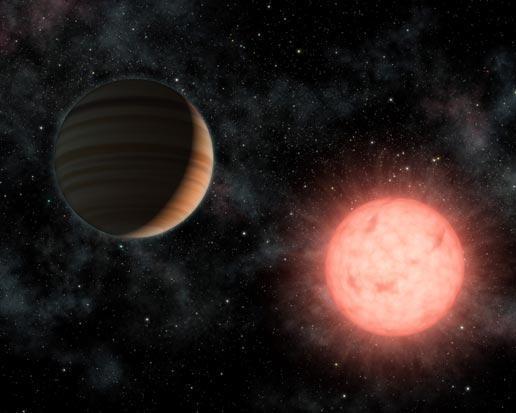
A tool for hunting planets, used long ago, gave the first result - a Jupiter-like planet orbiting one of the smallest known stars.
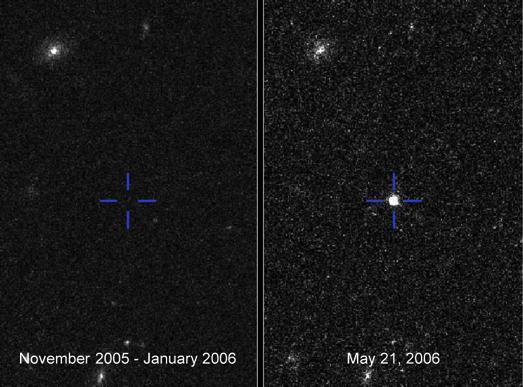
A new study has been discovered by astrophysicists at the University of Warwick that a mysterious stellar explosion recorded in 2006 could mark the abnormal demise of a…
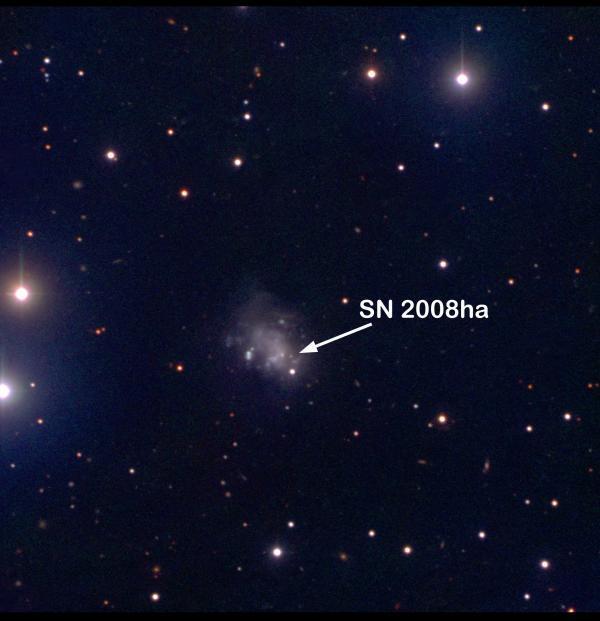
Core-collapse supernovae (also called gravitational supernovae) is one of the most violent phenomena in the universe.

International scientists have found a star from weakening very quickly before dying. But suddenly it turns into a star from another with a tremendous rotation speed and…
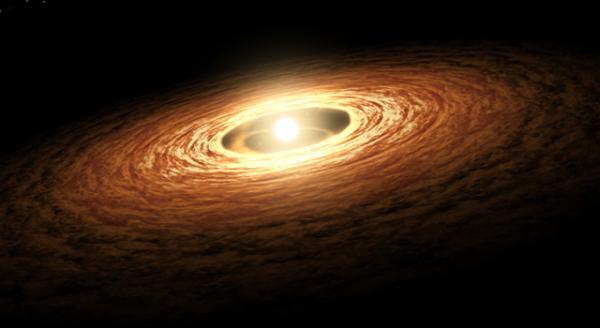
Scientists have long wondered how small silicate crystals, which need very high temperatures to form, are present in cold comets that are born on the outer edge of the s…
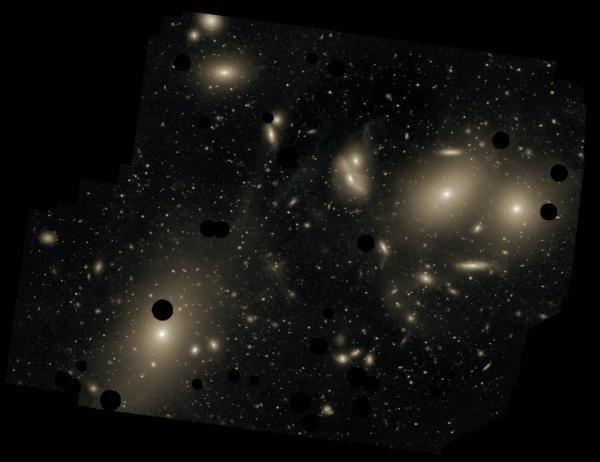
Using ESO's ultra-large VLT telescope, astronomers have succeeded in determining the size of the giant Messier 87 galaxy.
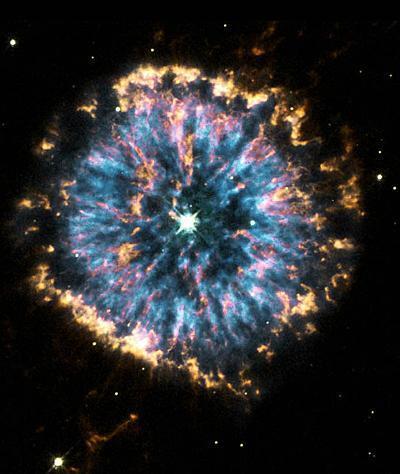
The Whole Earth Telescope (WET), a network of worldwide observatories by the University of Delaware, is synchronizing telescope tubes to provide information

International astronomers have just taken the most distant object image ever seen in the universe - 13 billion light-years from Earth.

Several hundred giant black holes can suck everything left from the early stages of the universe flying in our galaxy, according to a new study.
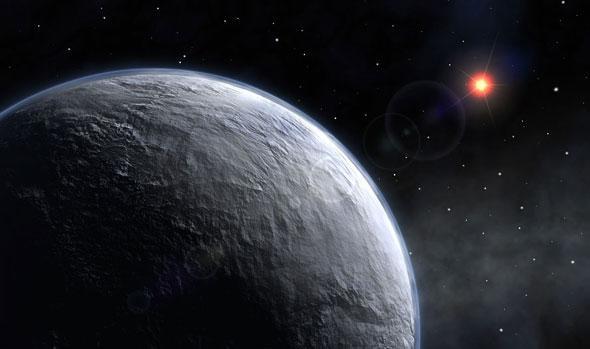
Thanks to the ability to detect the occurrence of extraterrestrial planets orbiting distant stars, scientists are now able to study hundreds of solar systems.
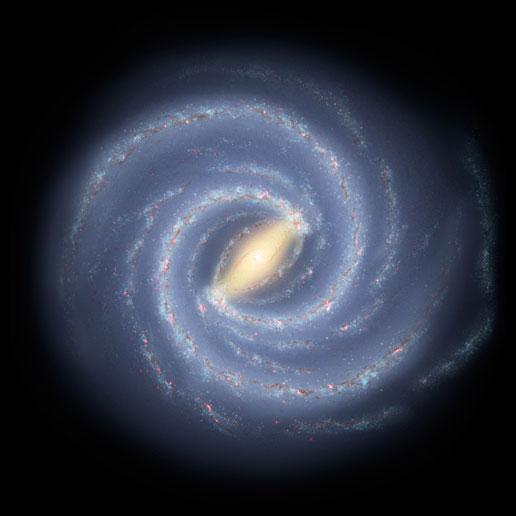
A team led by an astronomer at Indiana University has recently discovered that some large galaxies have traits that show they have just been formed.