Space science
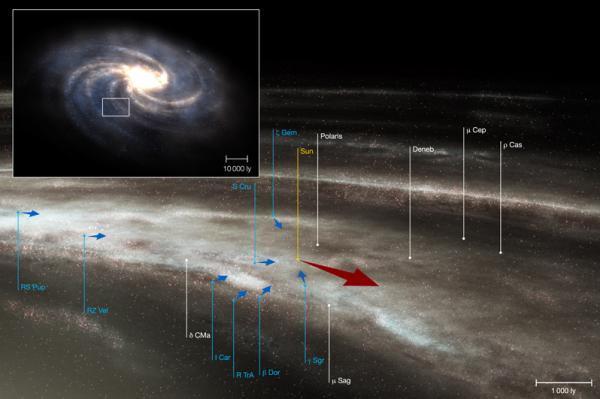
The movement of stars allows the Milky Way to spin around
Very accurate measurements show that the Milky Way's rotation is simpler than we thought.
Browse ScienceInfo articles and explainers related to Star.
2,098 published items.
Very accurate measurements show that the Milky Way's rotation is simpler than we thought.
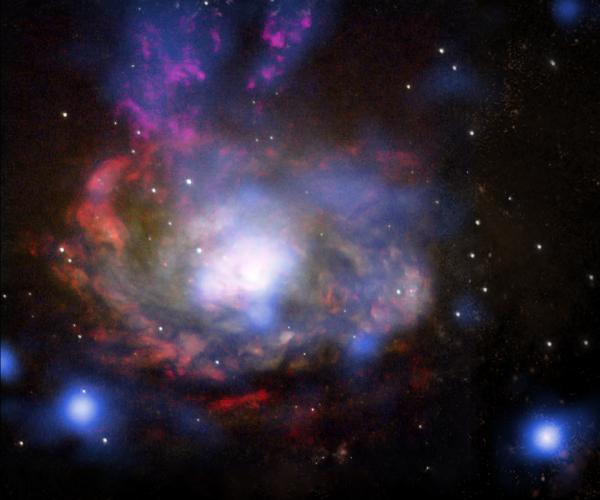
Astronomers have recently discovered that a relative of a strange exploding star was once thought to be unique in the universe. For more than two decades they have thoro…
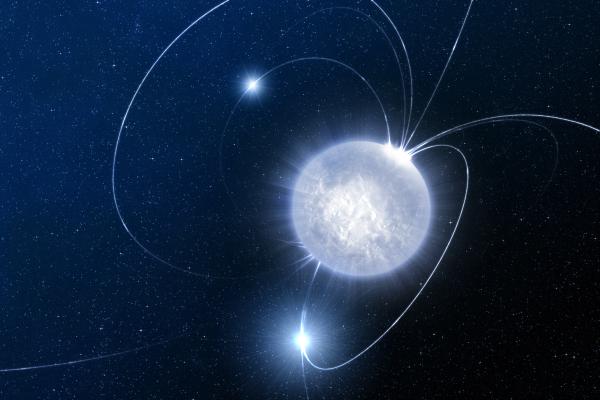
Astronomers have discovered the most bizarre cosmic object flashes 40 times before disappearing. It is possible that this is a missing link in the neutron star family, t…
The research team, led by Yale University astronomer, has discovered the darkest material-filled galaxy ever known.
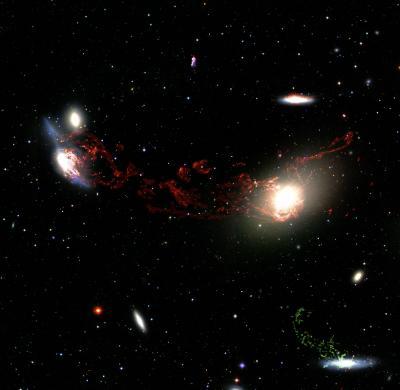
Astronomers studying pictures of a nearby cluster of galaxies have recently discovered that high-speed collisions between large elliptical galaxies may prevent star form…
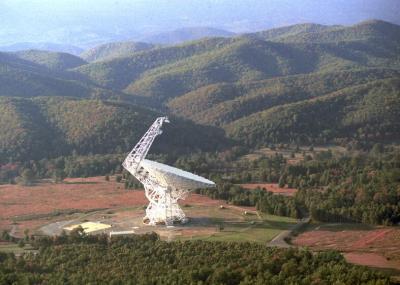
Using radio telescopes to observe the universe, a group of California astronomers have for the first time measured the galactic magnetic field that appeared 6.5 billion…
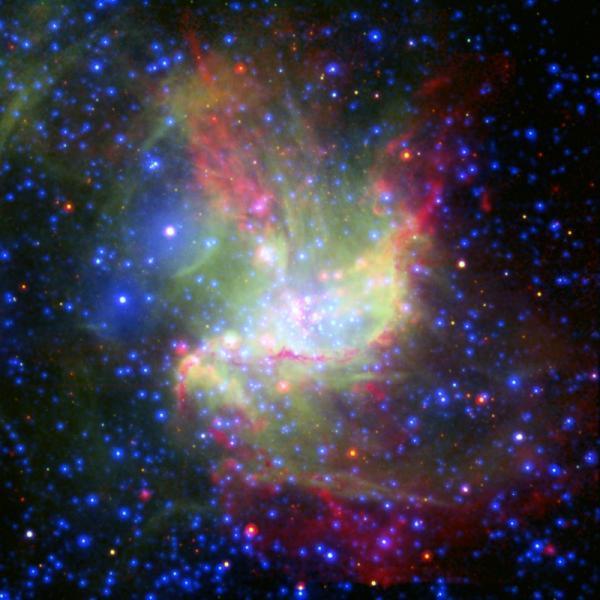
The terrestrial and space telescope combined to capture a picture provides a new perspective on the region's history with a great deal of NGC 346.
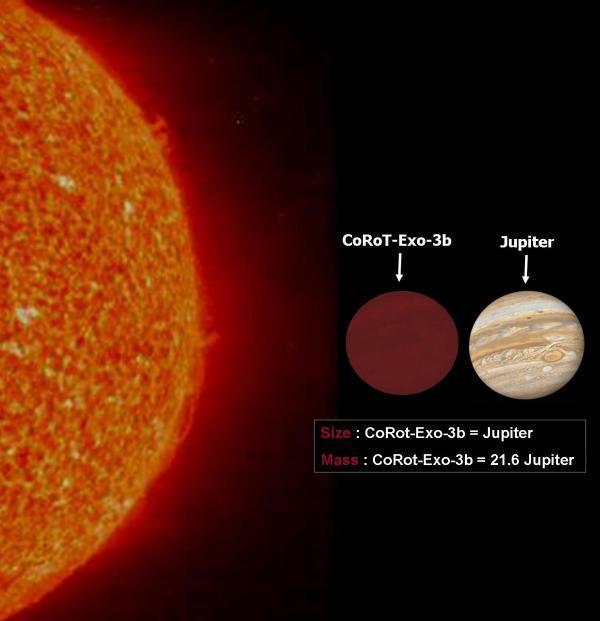
The European COROT spacecraft has detected an object the size of a planet that orbits its star with close proximity.
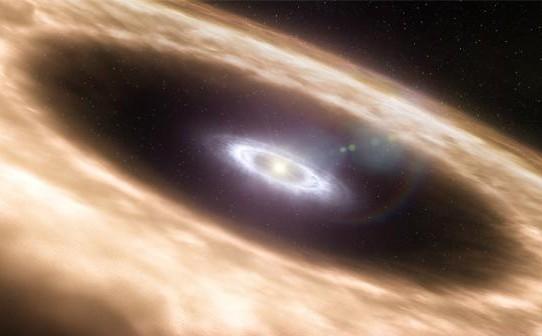
Astronauts are now able to study the planet-forming disk around young Sun-like stars, thereby revealing the movement and distribution of gas in the inner region of the d…
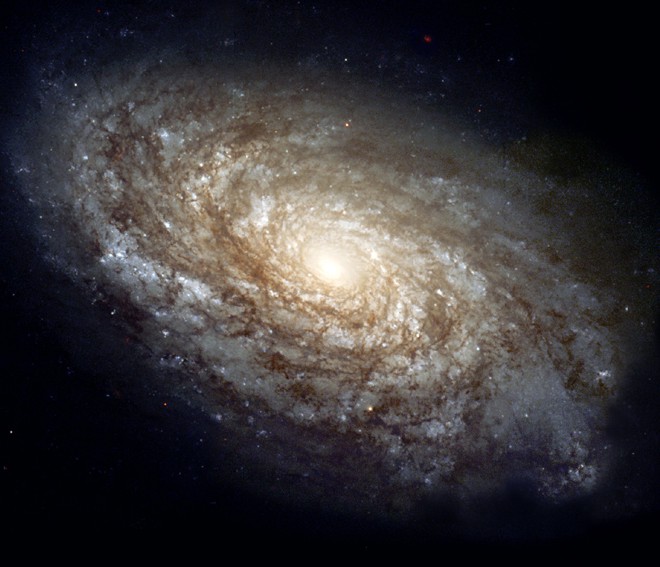
By analyzing light from small galaxies, orbiting the Milkey Way galaxy, the researchers found the minimum mass of galaxies in the universe: 10 million times the mass of…
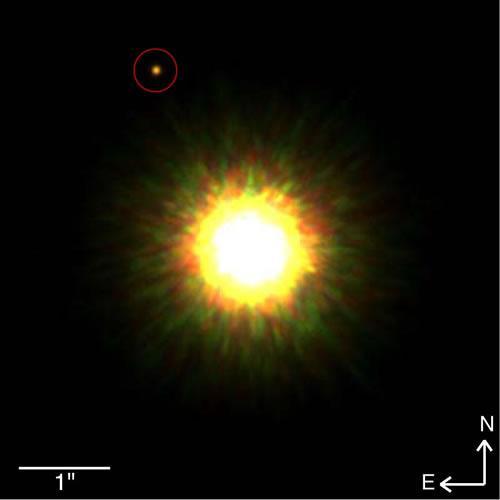
Astronomers recently veiled the mystery of an object that looks like a planet next to a star similar to the Sun.
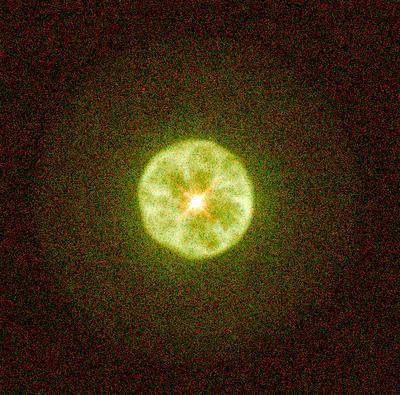
Stars are not large enough to carry out supernova explosions that end their lives by blowing most of their weight in a high wind.
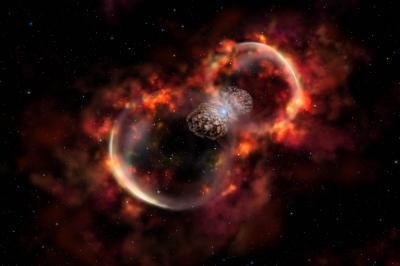
The terrible explosion of Eta Carinae seems to be completely dominated by a weaker form than a conventional supernova without destroying the star.
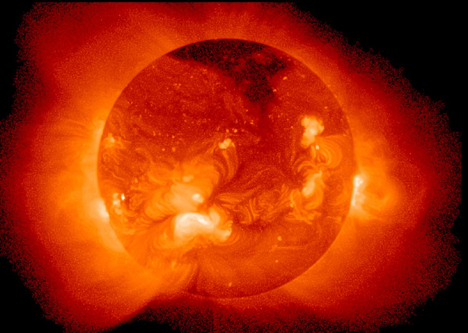
New simulations have shown at least to galaxies like the Milky Way, stars like the Sun can migrate for long distances.

A group of scientists led by researchers from the astronomical institute in Canarias (IAC) has just succeeded in detecting naphthalene (naphthalene) ...