Space science
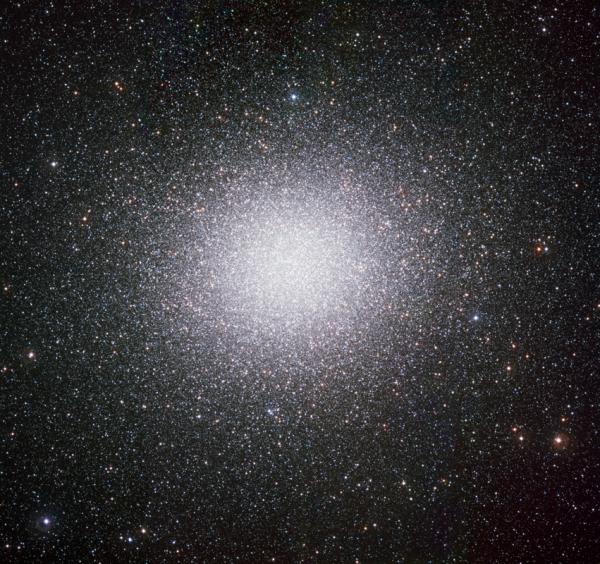
Omega Centauri: Globes of the southern sky.
Omega Centauri is one of the most beautiful pearls in the southern hemisphere sky, perfectly illustrated in the latest ESO photo.
Browse ScienceInfo articles and explainers related to Star.
2,098 published items.
Omega Centauri is one of the most beautiful pearls in the southern hemisphere sky, perfectly illustrated in the latest ESO photo.
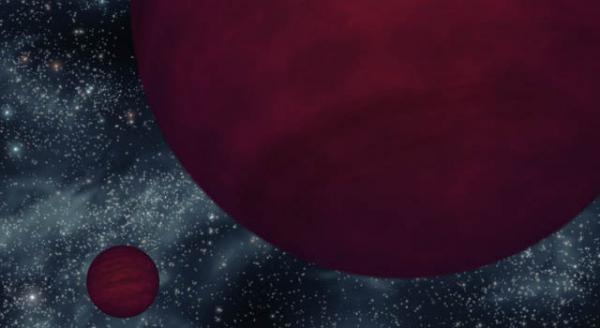
The object that holds the record for the darkest star-like object in the universe is a twin star

Like ballet dancers dancing around an invisible leader, dozens of stars in the Milky Way are revolving around a supermassive black hole.

New research shows that volatility plays an important role in creating the right conditions for planet formation.
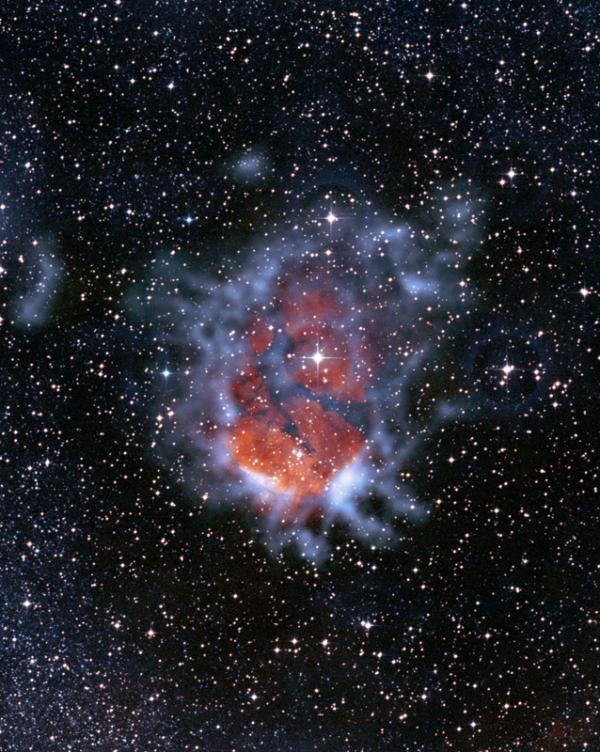
An image of the APEX telescope reveals how an ionized gas bubble causes surrounding materials to turn into dense blocks, thereby forming new stars.
X-ray and gamma rays data from XMM-Newton of ESA and all orbit observations were used for the first time to check the physical processes that make up the magnetar emitti…
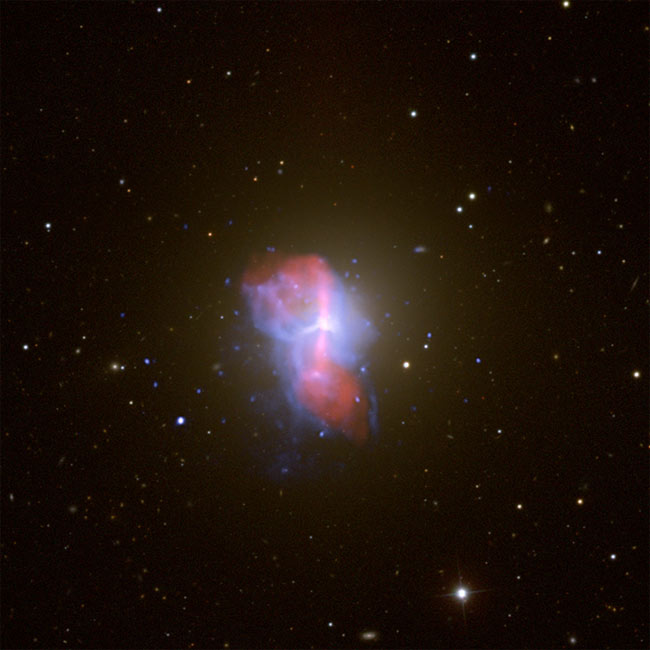
Like bubble objects in the universe, some black holes also
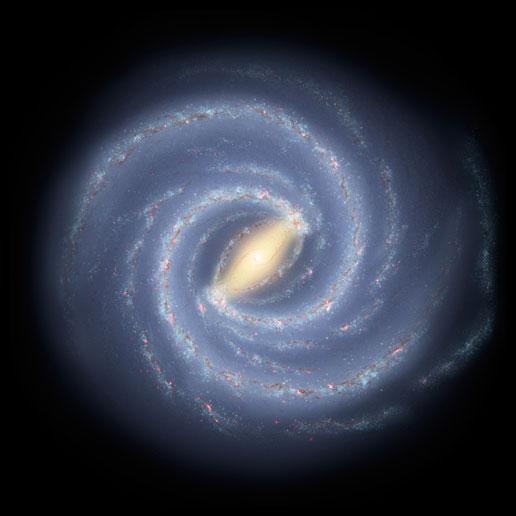
Stunning bright stars, symbols of galaxies like the Milky Way, can be fragments from violent collisions with other planets.
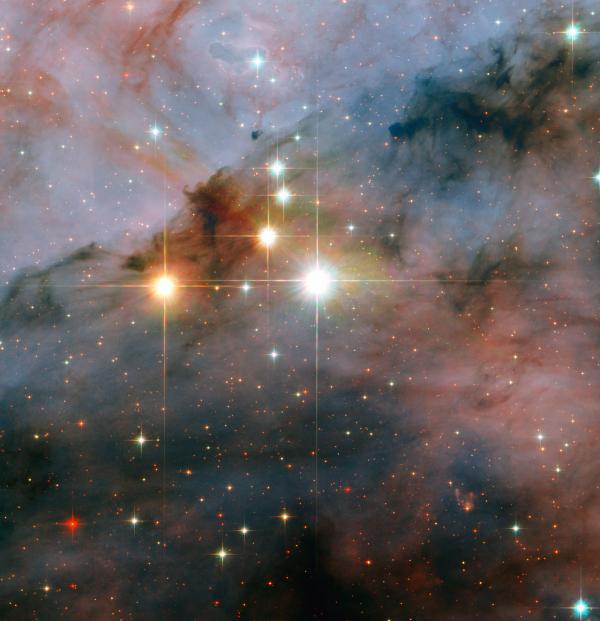
The Hubble telescope has recently captured a spectacular picture of a giant pair of stars, WR 25 and Tr16-244, located in the open star cluster Trumpler 16.
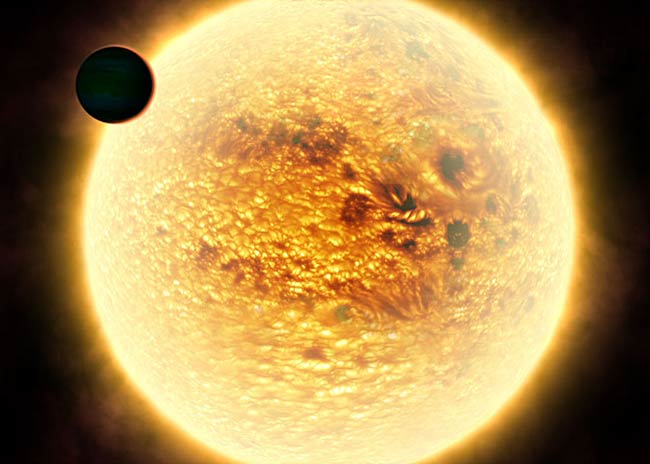
In the hunt for extrasolar planets, a new finding often sets new records.
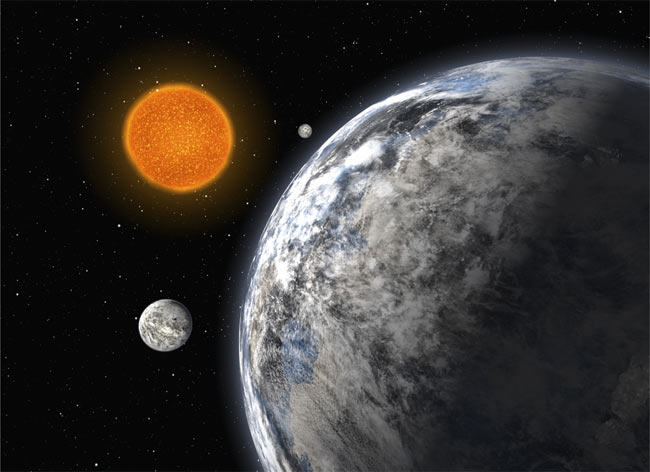
Planet hunters said it was only a matter of time before they found Earth's twin brothers.
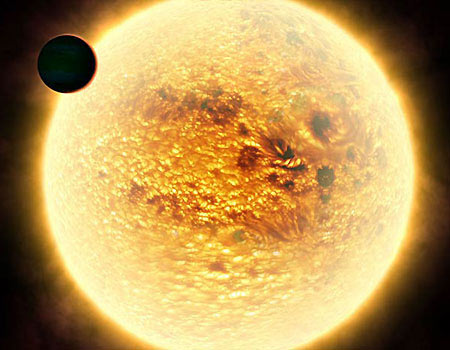
New scientists have discovered the hottest planet ever known by humans. It has a temperature of up to 2,250 degrees Celsius, equivalent to the heat at the surface of the…
Although it is considered geologically dead planet, Mercury was very excited by the activity of numerous volcanoes on the surface a few billion years ago.

This stunning image, with countless colorful galaxies, represents the Chandra Deep Field South area (CDF-S), the most observed and studied airspace in the universe.
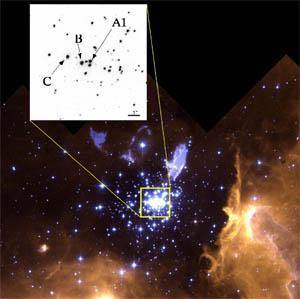
The theoretical models of star formation have hypothesized the existence of extremely large stars that could reach 150 times the mass of the sun.