
Space science
China's 'alien hunting' glasses had the first big result
The world's largest radio telescope in China has found two pulse stars after a year of trial operation, Xinhua News reported on October 10.
Browse ScienceInfo articles and explainers related to Star.
2,098 published items.
The world's largest radio telescope in China has found two pulse stars after a year of trial operation, Xinhua News reported on October 10.
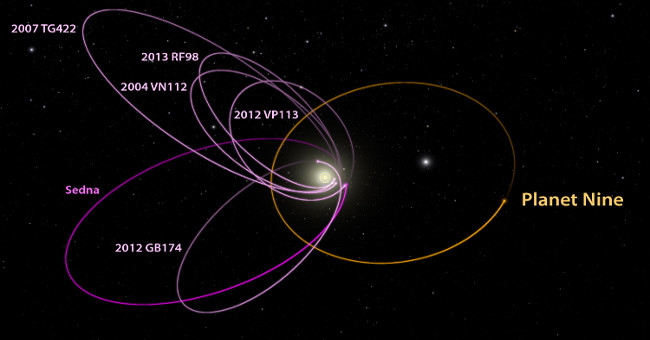
According to the Daily Star, those who believe in conspiracy theory and scientists once mentioned a mysterious X planet, located three or four times the distance from th…
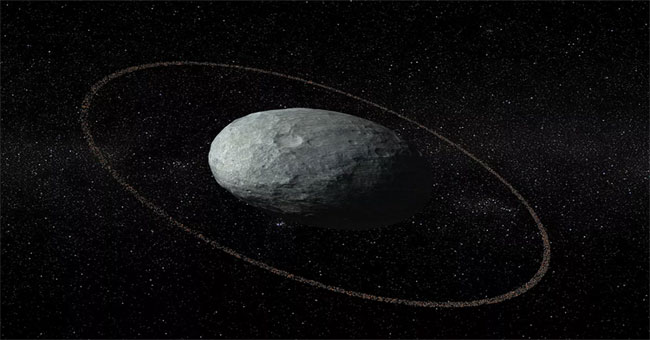
Astronomers at the Andalusia Institute of Astrophysics, Spain, and colleagues discovered a large belt around the Haumea dwarf planet outside the orbit of Neptune.
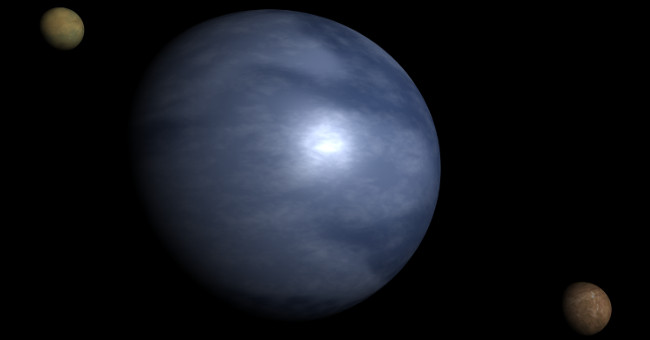
NASA's Kepler planet-hunting telescope has discovered more than 2,300 extrasolar planets in the universe ever.

Not the name of a star, that's the name of a star. Like humans, the planets' life is divided into three phases: young, middle-aged, old.
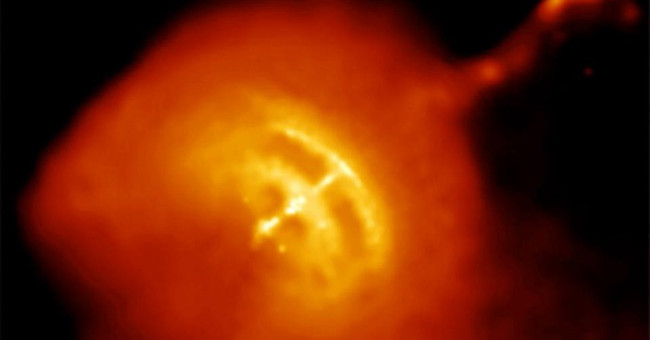
The following article will bring about the most general overview of the pulsar star (or Plusar), invite you to consult.

The Hubble telescope of the US Aerospace Agency (NASA) is observing a pair of neutron stars in the galaxy NGC 4993, 130 million light-years from Earth.
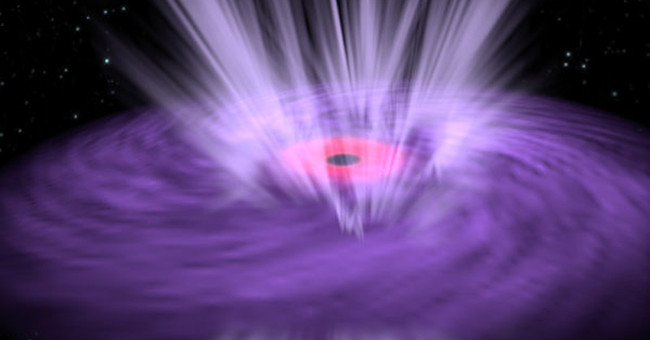
While scientists are observing the convergence of the stellar system, a miraculous astronomical phenomenon of a small star system contains a huge black hole.
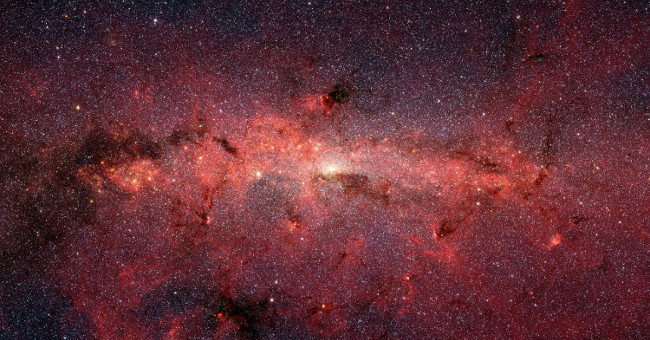
In this article, we will explore how the Milky Way and Galaxy, Galaxy and Galaxy are different. Please consult with us.
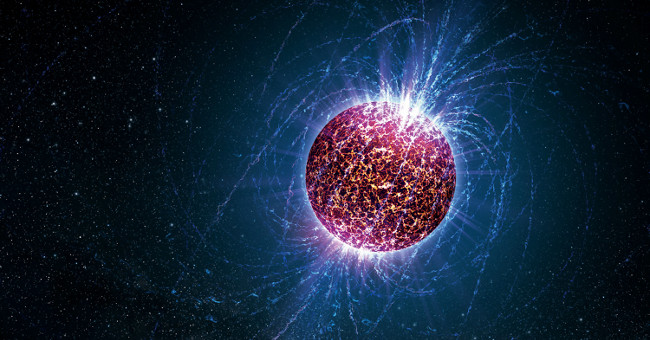
In this article, let's find out why Neutron is and how it is formed!
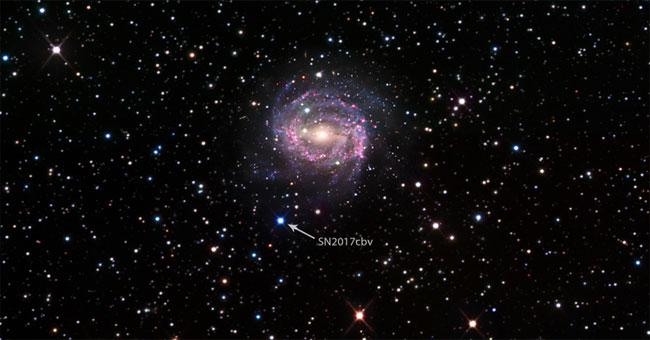
David Sand at the University of Arizona, USA, received a notification from the PROMPT telescope in Chile about the SN 2017cbv supernova explosion at one of the 500 galax…
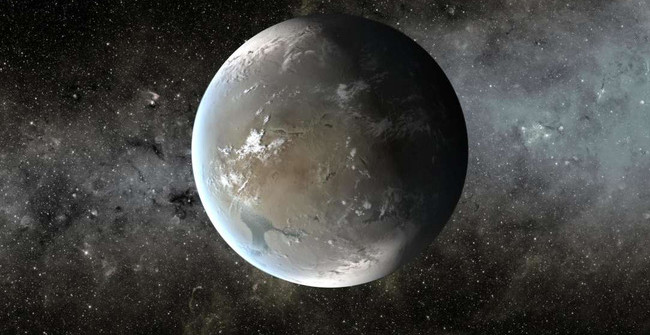
It has been operating since 1990, but recently it can be said that Kepler has had its most important discovery in history.
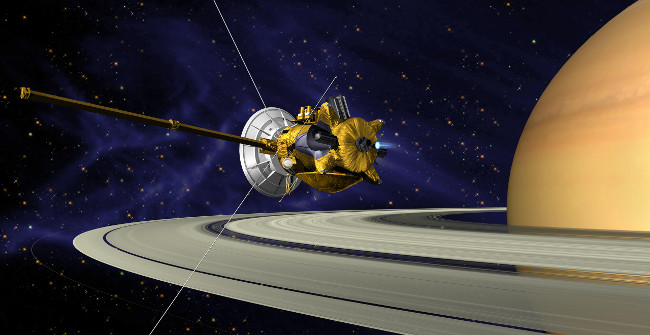
The Cassini spacecraft is about to fly through Saturn's atmosphere and crash into the giant planet's surface after 13 years of discovery.
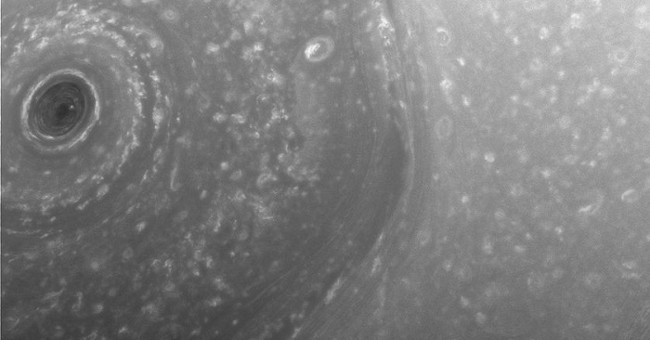
Cassini is running out of fuel. When the fuel runs out, scientists won't be able to control Cassini in the right way.
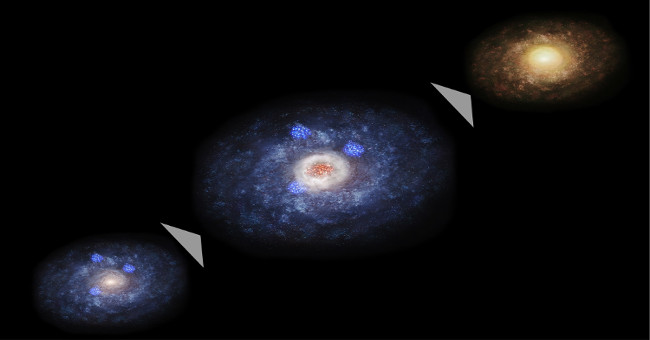
In 1926, famous astronomer Edwin Hubble developed a morphological classification scheme for galaxies.