Space science
Discovering the 'culprit' caused the comet to crash into Earth
ESA used data from Gaia satellites to track the movement of more than 300,000 stars near the Sun as well as predict their fate for another 5 million years.
Browse ScienceInfo articles and explainers related to Star.
2,098 published items.
ESA used data from Gaia satellites to track the movement of more than 300,000 stars near the Sun as well as predict their fate for another 5 million years.
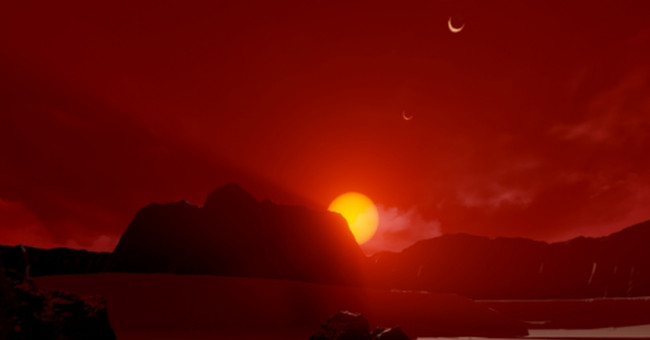
In the early months of 2017, NASA announced the discovery of Trappist-1 - a star-planet system containing 7 globules of the same size as Earth.

This image has taken us beyond anticipation, dark matter has now become something visible and measurable.
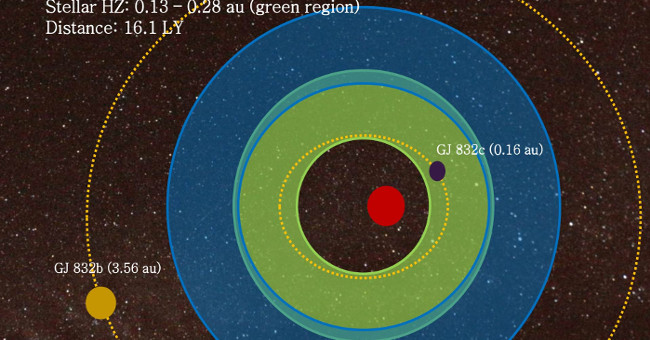
This is the star with the most Earth-like planets than any other planetary system ever discovered.
James Bullock, professor of physics and astronomy at the University of California, Irvine, USA, and colleagues conducted a theoretical study of the number of black holes…
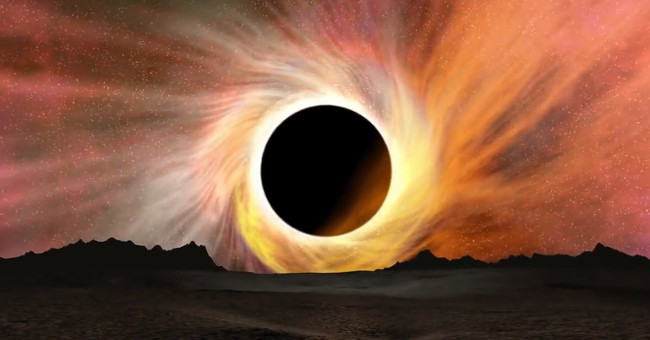
British scientists in the new study, published in the journal Nature, report that stars are attracted to black holes (TDE), which occur at a frequency many times greater…
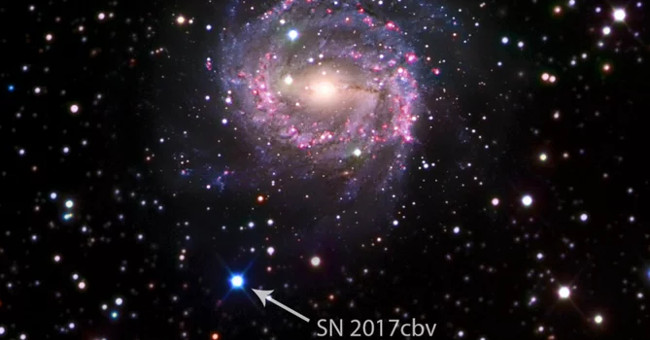
A recent observation using the Las Cumbres Observatory (LCO) has helped astrophysicists discover a new supernova explosion crashing into its companion star.
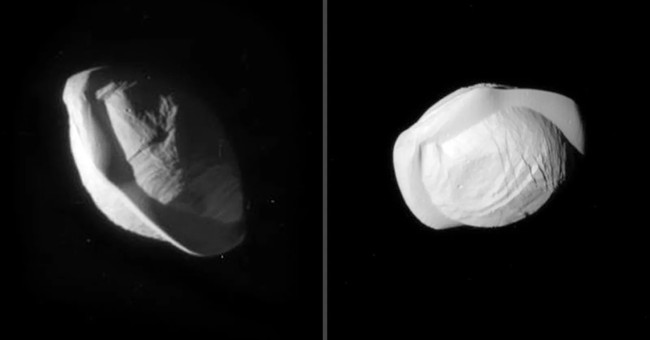
The universe is extremely vast, hidden within them are the facts that make us surprised.
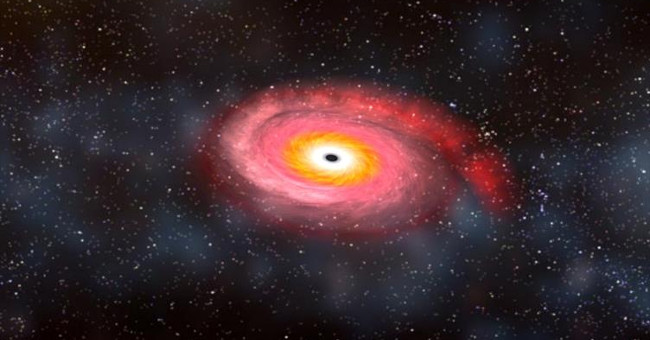
Neutron stars are the most dense star in the universe. It is estimated that only a scoop of neutron star's surface matter weighs three billion tons, 900 times the mass o…
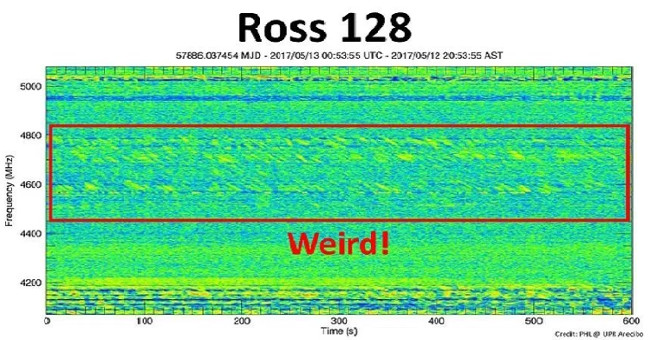
Last week, the Arecibo observatory in Puerto Rico for the first time received a signal for radio wave outbreaks.
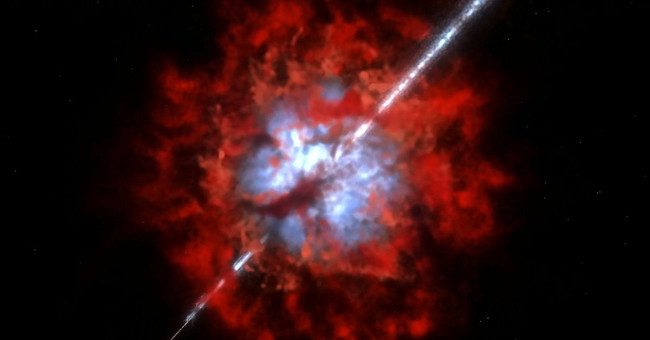
A gamma ray explosion occurs when a giant star dies, exploding like a supernova and collapsing into a black hole.

Successful manufacturing of ultra-small satellites is a premise for spacecraft to travel between stars.
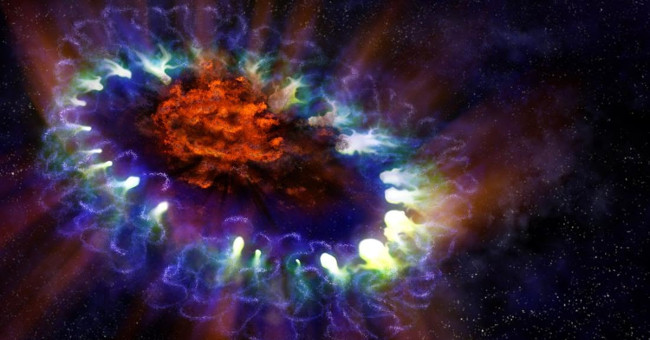
More than three decades ago, astronomers witnessed a rare and extremely intense cosmic event: a dying star that exploded 168,000 light-years away.
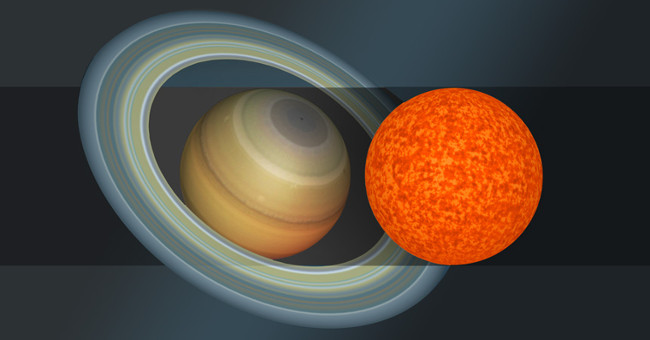
Scientists have discovered the smallest star ever. The star is about the size of Saturn, smaller than Jupiter, with gravity 300 times stronger than Earth.
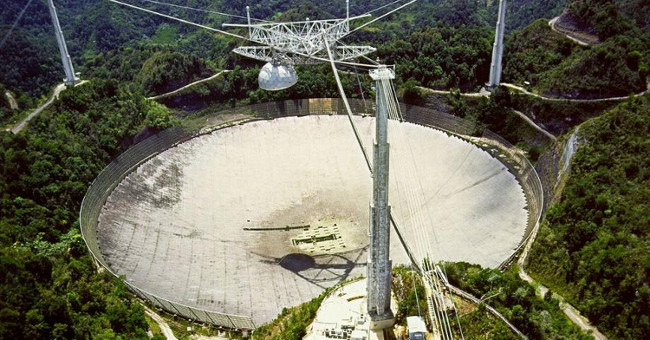
Scientists at the Arecibo Observatory in Puerto Rico on May 12 discovered abnormal radio signals that were most likely coming from Ross 128, a red dwarf star.