Space science
Witness the birth of the planet
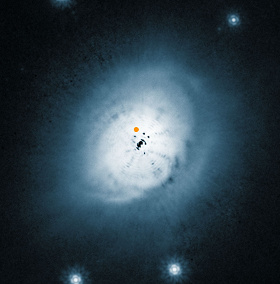
Chilean astronomers said that for the first time they observed directly a planet picturing inside a disk of gas and thick dust at the star system 335 light years away.
Browse ScienceInfo articles and explainers related to Star.
2,098 published items.
Chilean astronomers said that for the first time they observed directly a planet picturing inside a disk of gas and thick dust at the star system 335 light years away.
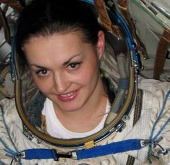
Official Alexei Temerov of Star City Space Training Center (Russia) revealed that Russia will bring the first female astronaut to space in 2014.
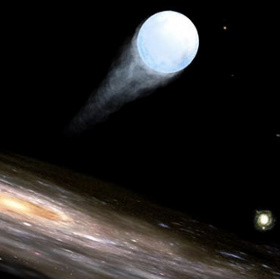
Last month astronomers discovered six super-fast stars flying very fast near the black hole in the center of the Milky Way, where the dust density was so great that the…
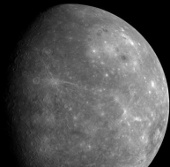
Mercury, the planet that is closest to the sun, may have owned a large ma-ocean ocean and curled up early in its 4.5-billion-year history.
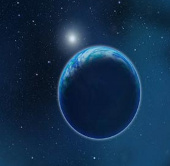
When a star dies, its outer layers are gradually evaporated, leaving a hot nucleus called White dwarf - a celestial body created when stars are low and medium.
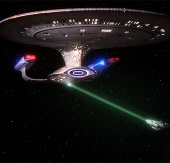
Experts of the University of St. Andrews (Scotland) has successfully invented a miniaturized version of the
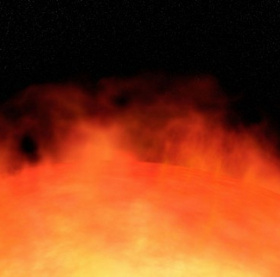
Scientists at Northumbria University, NewCastle, England have used solar imaging technology to study the chromosphere between the sun's surface and aura.
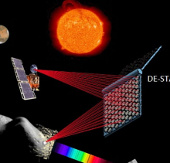
Projecting solar energy into dangerous meteorites so that they change direction or dissolve is the way scientists want to apply to stop the pellets.
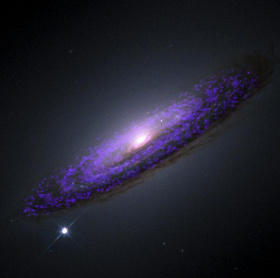
Black holes are known to exist at the center of most galaxies, but there are still many unanswered mysteries that are their influence on galaxies' evolution.
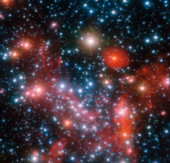
The central region of the Milky Way appears with subtle colors in a photo taken from the ground by a telescope.
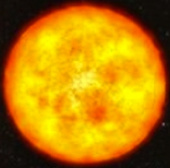
Astronomers from the University of Pennsylvania (USA) have discovered that the oldest star in cosmos was formed at least 13.2 billion years ago.
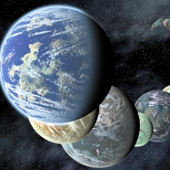
Kepler Space Telescope of the US Space Agency (NASA) has discovered 461 new potential planets.
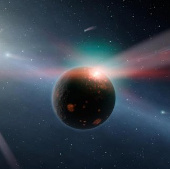
American astronomers say they have discovered six possible objects, comets around distant stars, a sign that comets are also popular out there rather than a special feat…
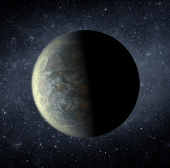
With a radius of 1.5 times the globe, a planet orbiting a star like the sun is the most earth-like celestial object that people ever know.
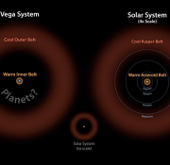
Fertility, shining brightly in the northern night sky, possessing the asteroid belt like our sun, the sign of the possibility of undiscovered planets orbiting other star…