Space science
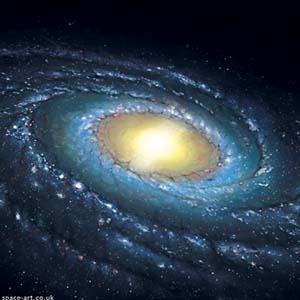
There are at least 50 billion planets in the Milky Way
Scientists have for the first time estimated the number of planets in our galaxy and published huge numbers: There are at least 50 billion planets in the Milky Way.
Browse ScienceInfo articles and explainers related to Star.
2,098 published items.
Scientists have for the first time estimated the number of planets in our galaxy and published huge numbers: There are at least 50 billion planets in the Milky Way.
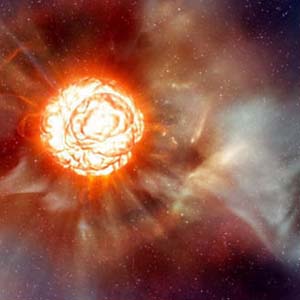
According to astronomer Bred Carter, star Betelgeuse, in the constellation Orion, 640 years from Earth can be 'angry' and threaten the Earth at any time.
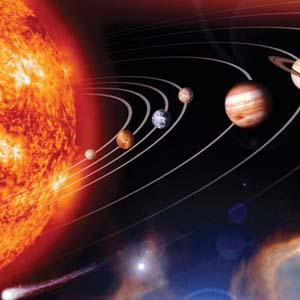
Scientists at the University of Chicago (USA) have calculated that life can exist on a planet for billions of years without a star providing direct warmth.
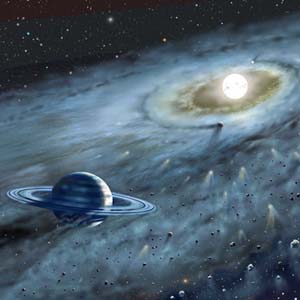
British scientists say they will host a $ 650 million program to look for the chemical signs of life on planets that orbit the distant stars.
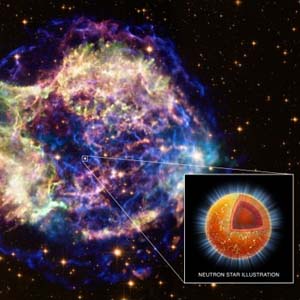
Scientists in Russia and Mexico have found evidence of the existence of a form of matter that humans have never known in the core of a neutron star.
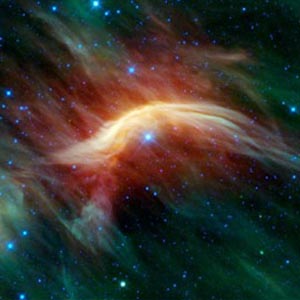
Thanks to an orbiting observatory called WISE, NASA scientists have captured shock waves caused by a star that is fleeing in the universe at speeds of up to 54,000 miles…
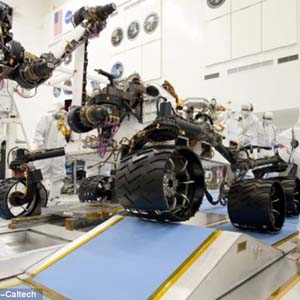
If you think 2010 is a successful year of space exploration, consider it again.

The latest information from NASA shows that there are 54 extrasolar planets that contain potential for life.
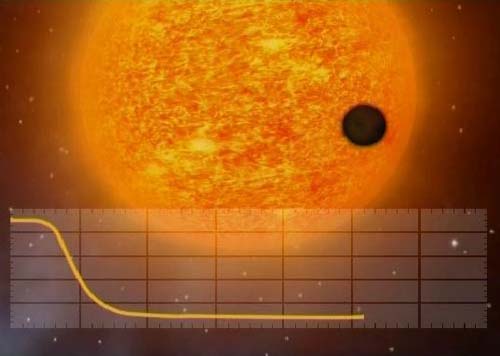
The first iron-clad evidence of a rocky planet outside the solar system was found using the Kepler Space Telescope.
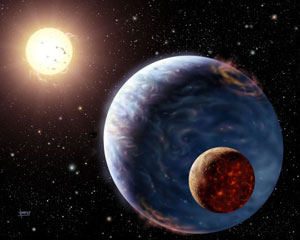
The discovery of a certain planet to conquer long ago is no longer the subject of fictional novels.
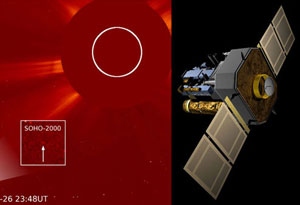
Soho solar research spacecraft has reached its own milestone in silence: discovering the 2,000th comet.
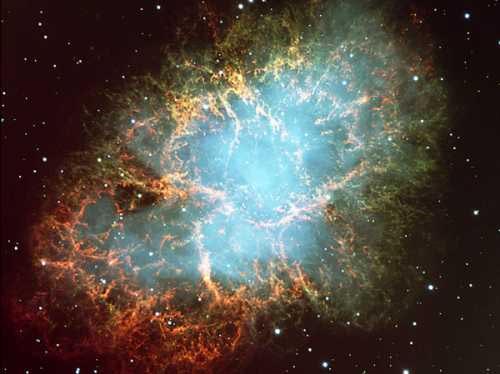
A 10-year-old female student in Canada has recently been recognized by the International Astronomical Union as the youngest person to see the star exploding scene.
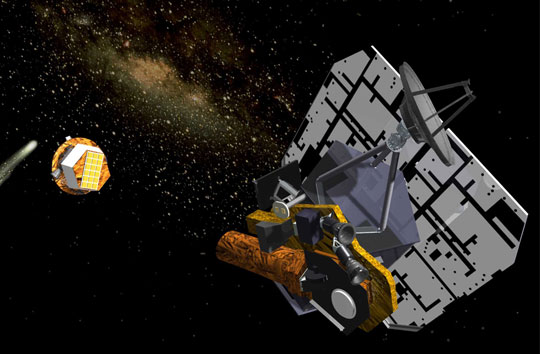
Ria Novosti, a news source from the Astronomical Bureau of the International Astronomical Union, said Russian astronomers for the first time in the last 20 years ...
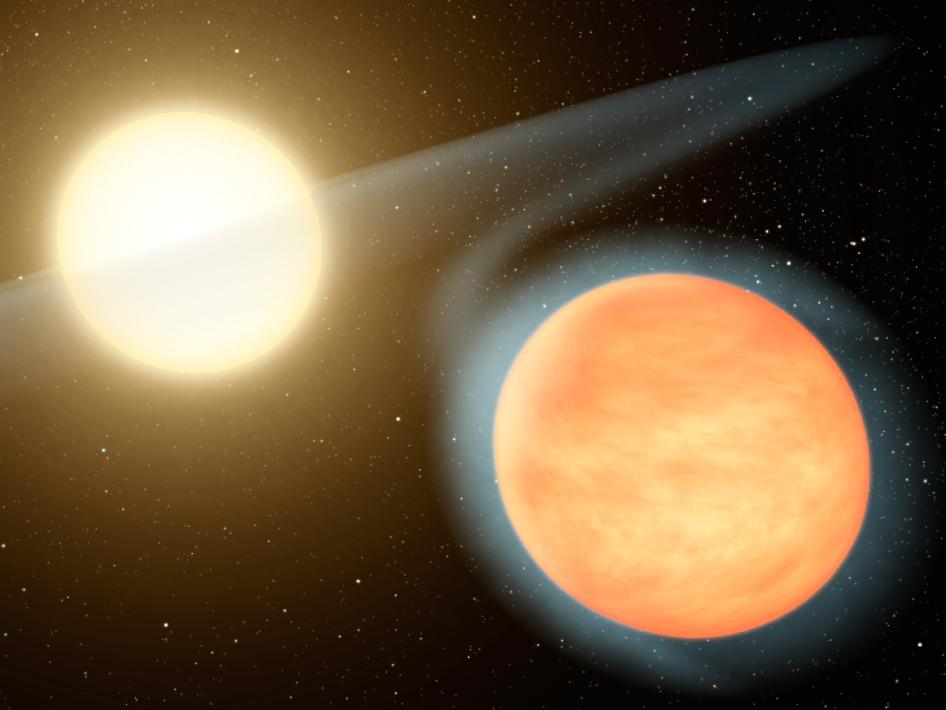
The Spitzer telescope of the US Aerospace Agency (NASA) has for the first time discovered a giant and dry hot planet containing so much carbon.

On the night of December 14, December 15, a meteor shower of the most beautiful type in 2010 will happen in the sky. However, people in the South and Central Highlands w…