Space science
Launching campaign to find extraterrestrial civilization
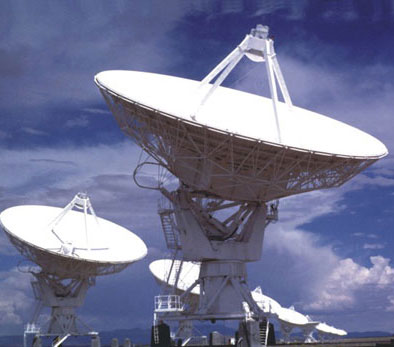
Astronomers from around the world simultaneously point radio telescopes towards stars to look for signs of other civilizations in the universe.
Browse ScienceInfo articles and explainers related to Star.
2,098 published items.
Astronomers from around the world simultaneously point radio telescopes towards stars to look for signs of other civilizations in the universe.

With the help of the Chandra X-ray Observatory astronomers, NASA scientists have found evidence of the existence of a black hole ...
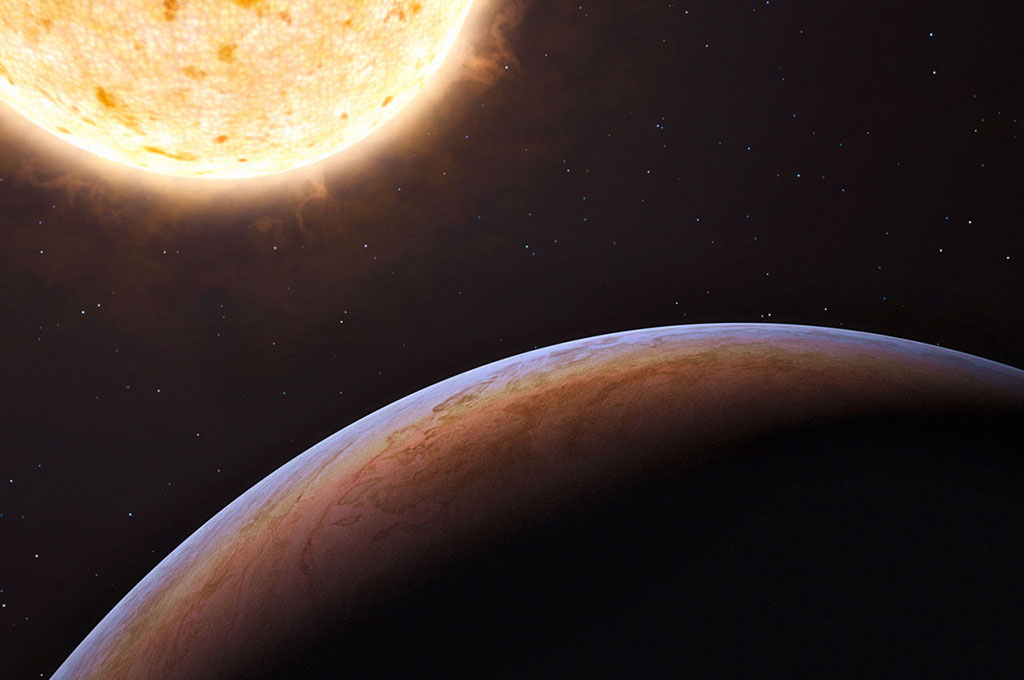
Recent world astronomers have confirmed the discovery of a strange planet, belonging to another galaxy

If you leave the house and look up at the sky before sunrise in the next two weeks, you can see a strange object (UFO) emitting a silvery white light.
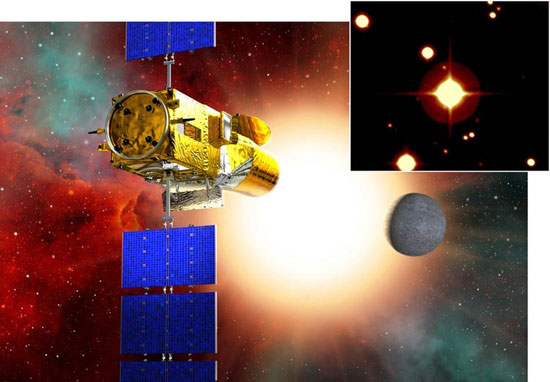
The new findings show that planets are closer or larger than the size of the earth as well as having the same earth-like composition, common throughout the Galaxy.
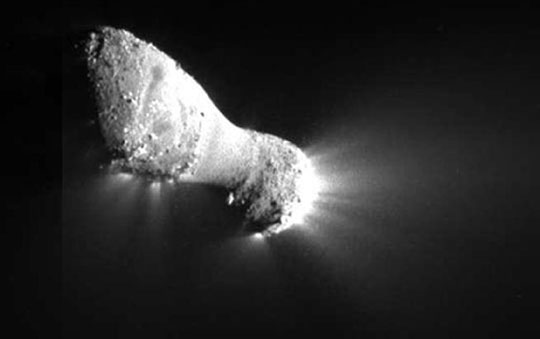
The first close-up shots of comets Hartley 2 sent by Deep Impact spacecraft show that this comet is shaped like a giant peanut.
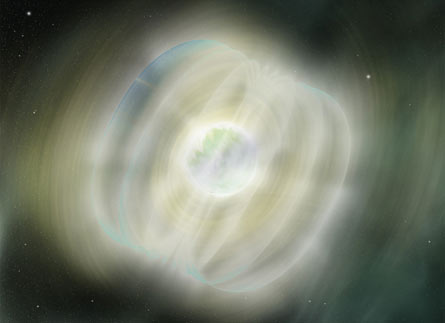
Previously, astronomers identified: The rapid rotation speed of neutron stars may be the source of some short gamma-ray bursts, creating a maximum force that causes a ga…
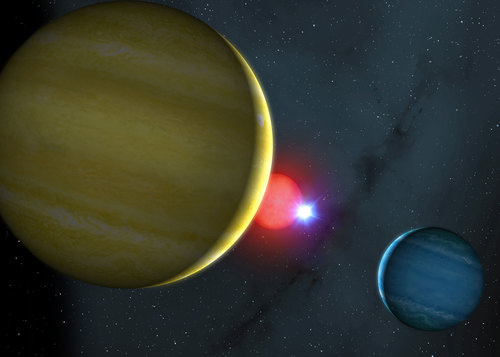
The special twin is named NN Serpentis, nearly 1,700 light-years from Earth, created by red dwarfs and white dwarfs.
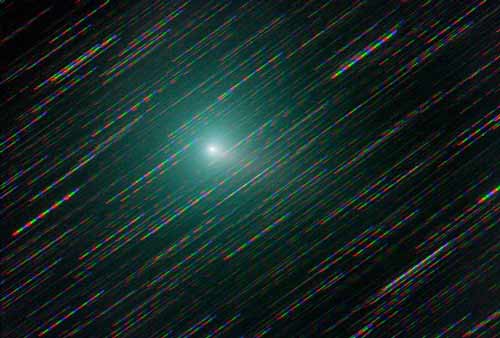
According to astronomers, the ghostly green comet named 103P / Hartley has moved in position ...
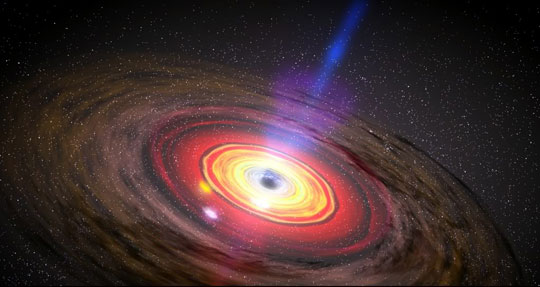
Scientists speculate that the X-ray object is most likely a neutron star or black hole tens of thousands of light years from Earth.
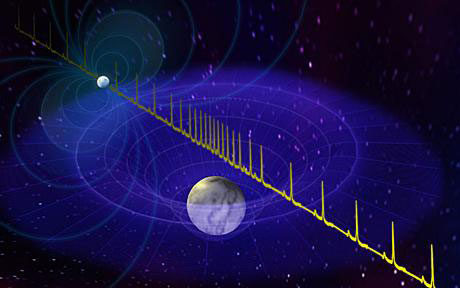
The team of the NRAO Observatory, which manages the Green Bank telescopes, has discovered the presence of neutron stars, ...
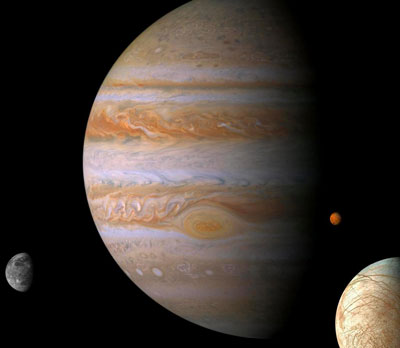
The Milky Way contains at least 46 billion planets of the same mass as Earth. That incredible amount makes the ability to find life on other planets much bigger.
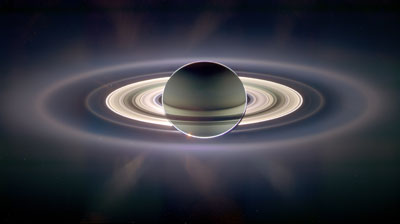
The Deep Impact probe spacecraft of the US Space Agency (NASA) will approach the Comet Hartley 2 with the closest distance so far on November 4, NASA scientists batched.
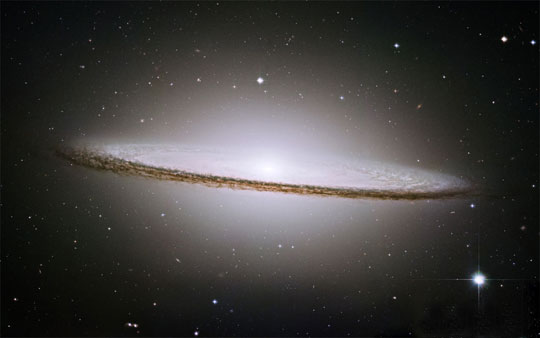
XMASS device is designed to directly capture dark matter in the universe and will begin commissioning in November.
While astronomers use a Spitzer space telescope to search for a supermassive black hole in the center of a distant galaxy, the team suddenly discovers an unusually hot c…