Space science
Celestial Body P / 2010 A2 is just a fake star
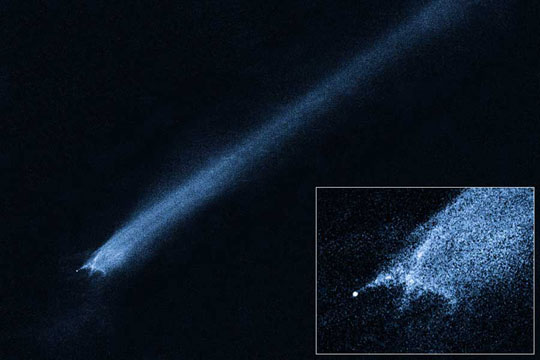
Through comet probe Rosetta, scientists have verified that the new celestial body called P / 2010 A2 is a broom star.
Browse ScienceInfo articles and explainers related to Star.
2,098 published items.
Through comet probe Rosetta, scientists have verified that the new celestial body called P / 2010 A2 is a broom star.
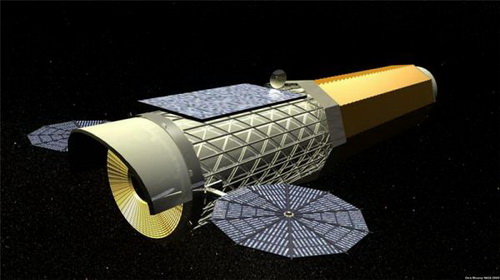
A cooperative project between the US Aerospace Agency (NASA), the European Space Agency (ESA) and the Aerospace Exploration Agency
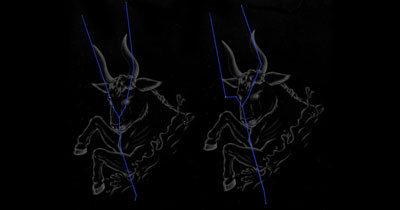
The sky in fact never stood still. Stars always move from one position to another according to the movement of the universe, galaxies and constellations.
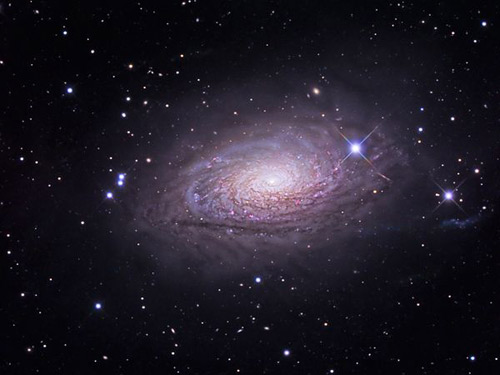

Astronomers have discovered a special planet among known planets so far. It is named WASP-12b and the character of this object is the fastest, hottest and closest to a f…
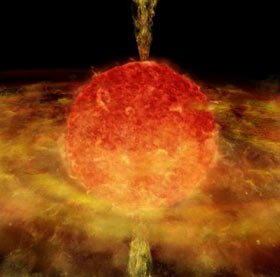
A star suspected of swallowing another star or planet next to it was found under the help of NASA's Chandra X-ray observatory.
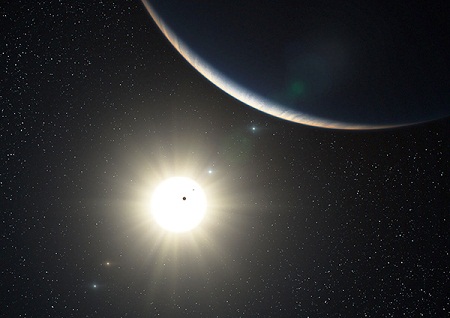
On August 24, European astronomers announced the latest discovery about a planetary system like the solar system that is 127 light-years away from Earth.

With the Kepler space telescope, physicists have discovered two giant planets orbiting a distant star orbit.
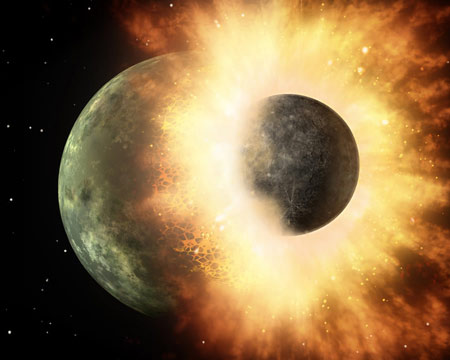
When twin stars revolve around each other, they can alter the orbits of the surrounding planets and cause terrible collisions.
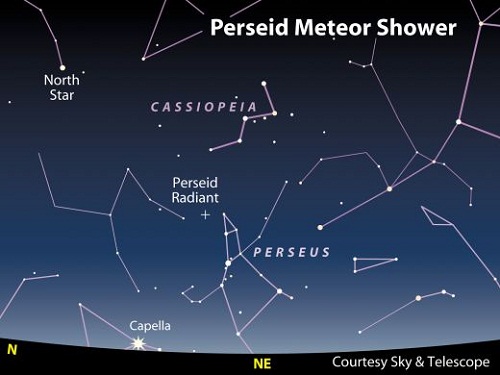
According to IMO (International Meteorological Organization), one of the biggest meteor showers in the year will reach the peak of the morning of August 13.

Although they are bright stars, supernova cannot create the heaviest elements.

Because a planet moves so close to its own star, its atmosphere is sucked out and forms a trail like a comet.

International astronomers announced yesterday that they have found the heaviest star ever known by a large array of telescopes in Chile.

A statement shocked scientists when the number of Earth-like planets was found to reach 140 in just a few weeks.

The US Hubble telescope detected a super-hot blue star moving at speeds of up to 2.56 million km / h.