
Space science
The phenomenon of East Asia sky was red during the 9 days of 1770
In 1770, East Asia, including some countries such as Japan, South Korea, North Korea and the east coast of China, happened to have the sky dyed red for days.
Browse ScienceInfo articles and explainers related to Storm.
1,669 published items.
In 1770, East Asia, including some countries such as Japan, South Korea, North Korea and the east coast of China, happened to have the sky dyed red for days.
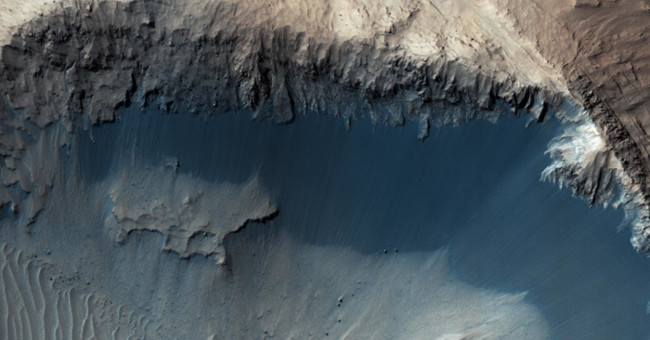
New findings related to the origin of sand on Mars are published by scientists.
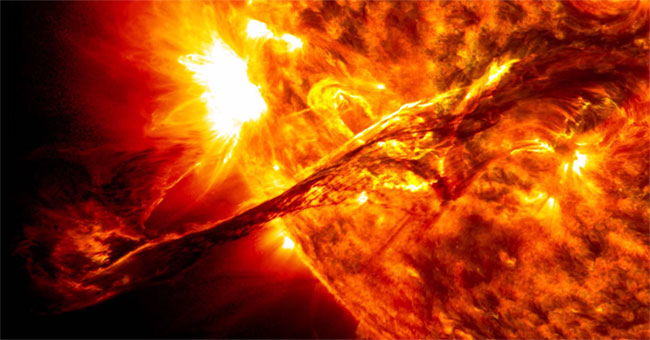
A solar eruption, or solar storm, can emit extremely damaging and radiating waves that radiate to Earth 149.6 million kilometers away.
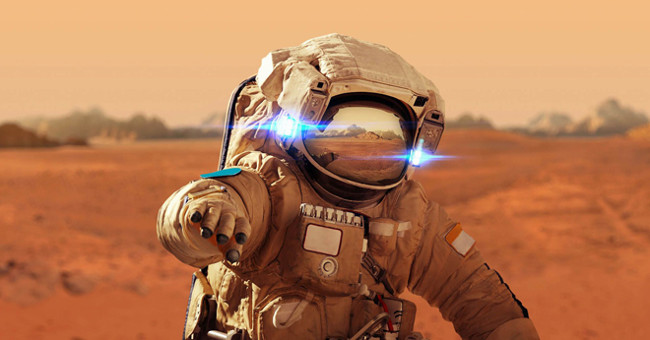
The US Aeronautics and Space Agency (NASA) is looking for the genetic modification of astronauts, who will perform the task of exploring Mars.

To protect the Earth from the threat of solar storms, US scientists propose to install a shield from the large-scale IB Times outer-field field on October 3.
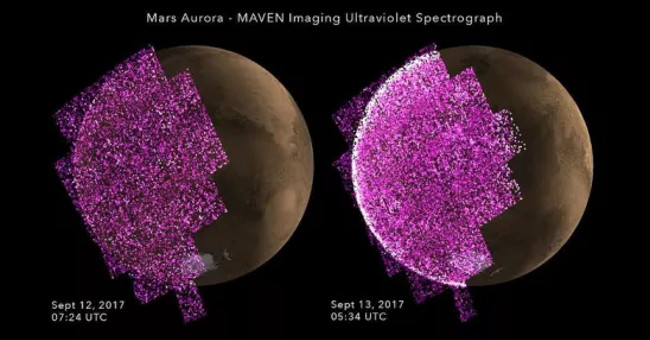
The event is caused by an intense solar wind sweeping through Mars, causing the planet's radiation level to peak.
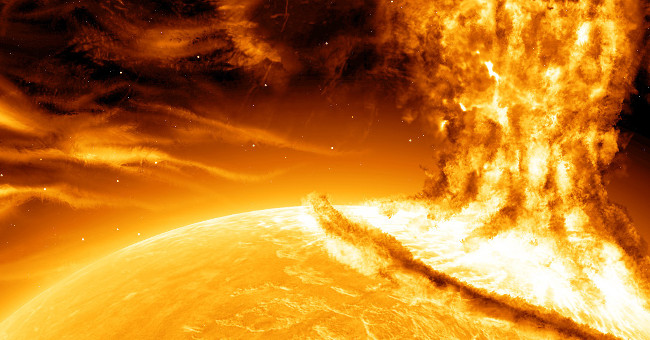
The Earth was fortunate to avoid the strongest solar storm in 150 years, capable
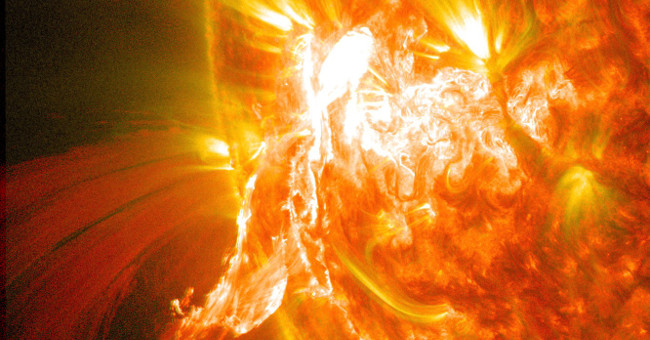
According to CTV News, from the previous week, the sun began to release strong stable radiation streams, making the NOAA space forecasting center to issue a warning abou…

It is known that aurora is considered one of the most beautiful natural phenomena on the planet - it is
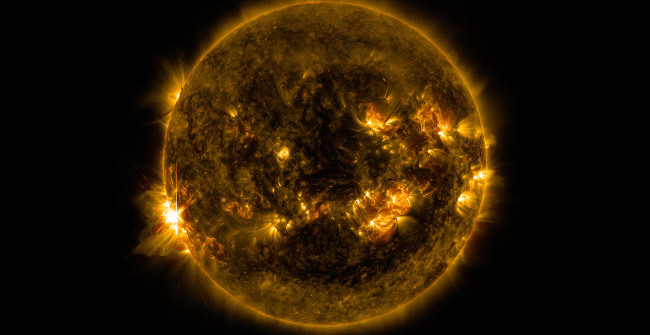
The danger now comes not only from the ground but also from the distant Sun, just recently, a major cosmic weather phenomenon has just happened from
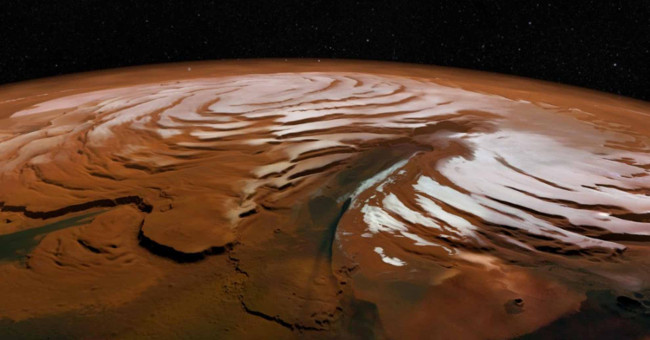
This finding shows that there are still many mysteries about the Martian climate that humans do not know.

Astronomers have just observed Neptune and were surprised to discover the occurrence of a 9,000km2 storm (equivalent to Đất of the Earth's diameter).
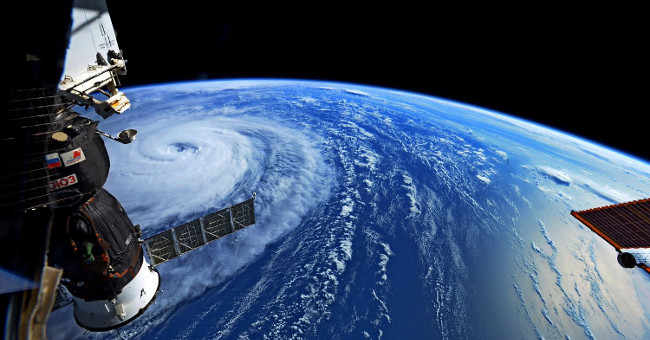
Astronauts from the International Space Station (ISS) observed and recorded the most dramatic images of the storm that was supposed to be the largest in 2017, up to the…
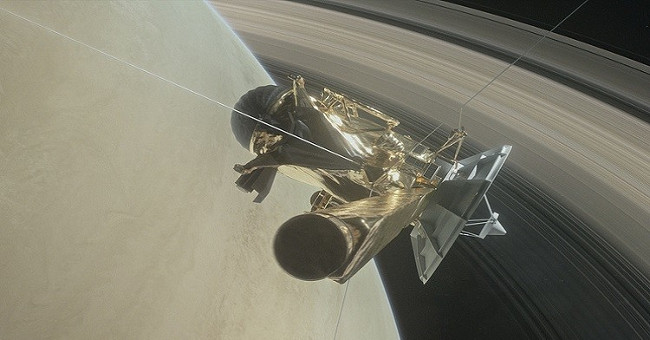
The satellites introduced by humans into the universe for decades have been equipped with special sensors to be able to
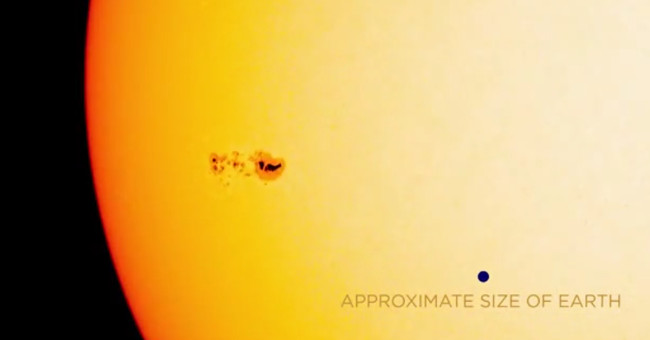
The Solar Dynamics Observatory (SDO) satellite of the NASA Aerospace Agency (NASA) detected the Sunspot AR2665, 120,000 kilometers, last week, according to Sun.