Space science
New map of star systems
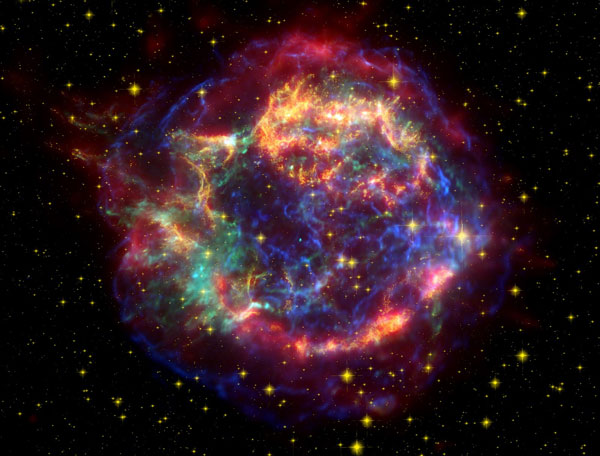
NASA has announced a new map with more than 560 million stars, galaxies and asteroids, many of which have never been known before.
Browse ScienceInfo articles and explainers related to Sun..
1,901 published items.
NASA has announced a new map with more than 560 million stars, galaxies and asteroids, many of which have never been known before.
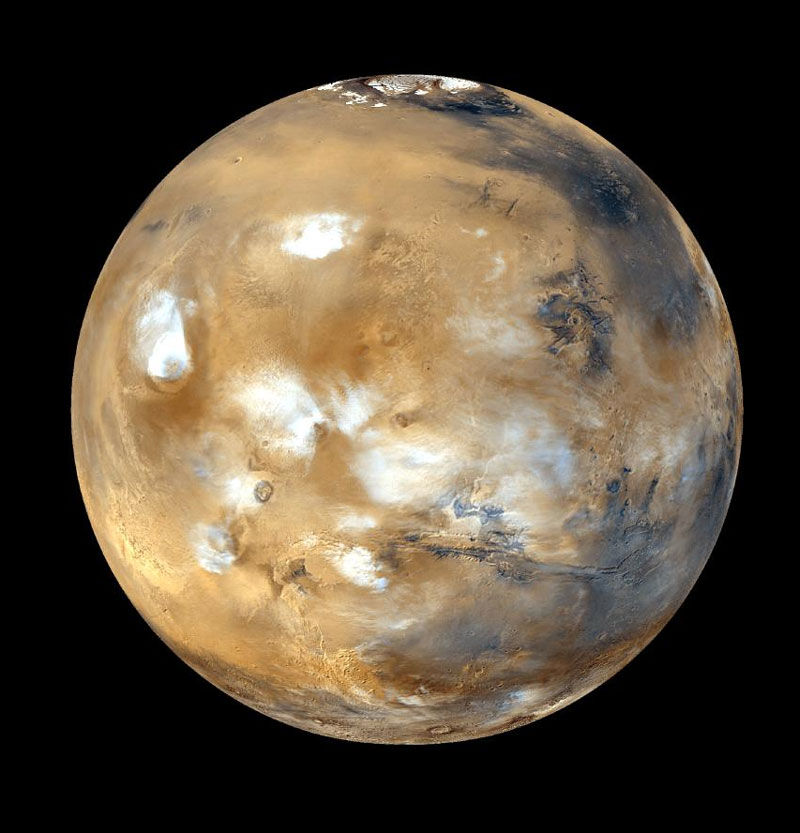
Today Mars will arrive at 112 million kilometers from the Earth, the shortest distance between the two bodies in the journey around the 26-month sun of the red planet.
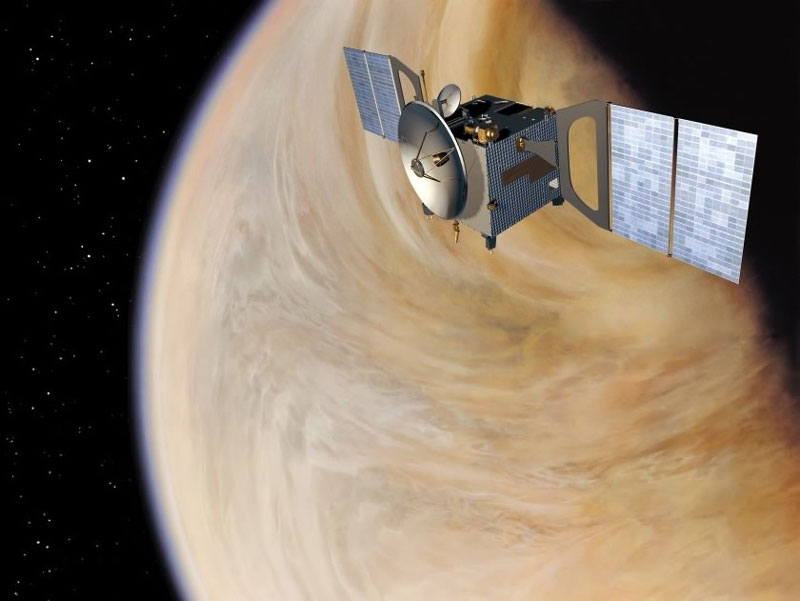
Due to its activity on Venus's orbit, Venus Express is closer to the sun than Earth. So it caught the huge flow of particles from the solar storm. At 1:40 on March 8 at…
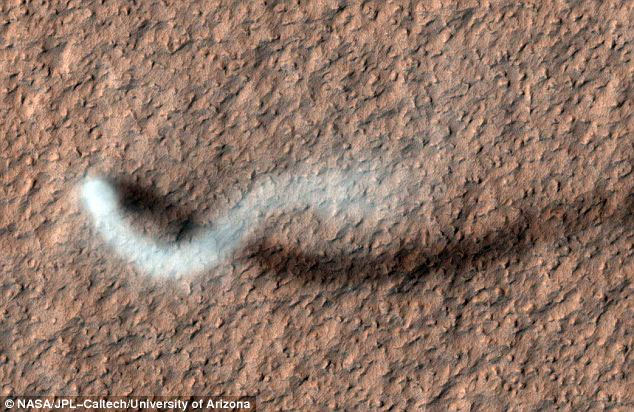
NASA's Mars spy satellite captured high-quality images of 'ghost dust' that appeared along the surface of Mars. The phenomenon of 'ghost dust' also appeared on Earth, ma…
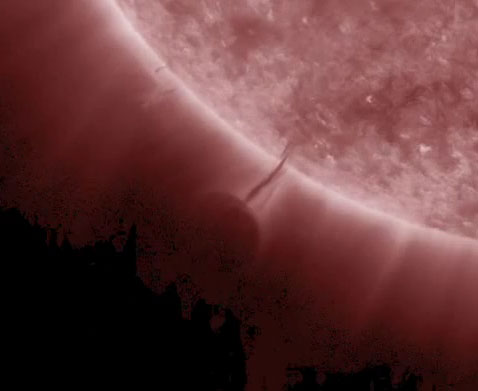
Photographs of the sun on March 12 with a telescope show a faint object roughly the size of a planet connected to the sun by a dark colored wire.
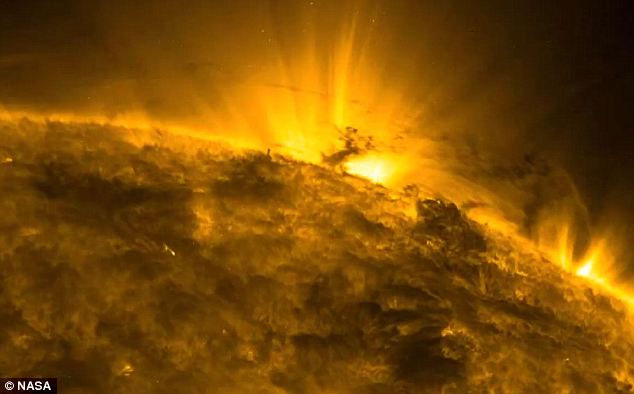
NASA's Solar Dynamics Observatory satellite captured a giant storm moving through the sun.
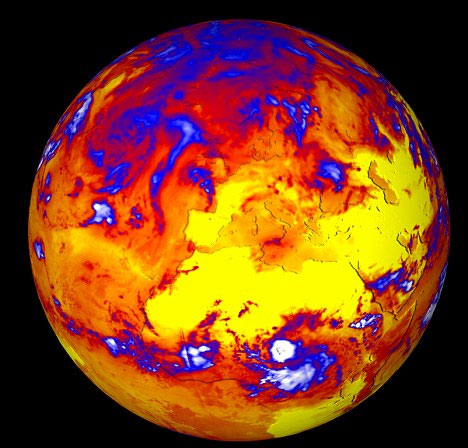
International ocean and satellite experts have deciphered one of NASA's biggest mysteries - where does the sun's energy go down to Earth?
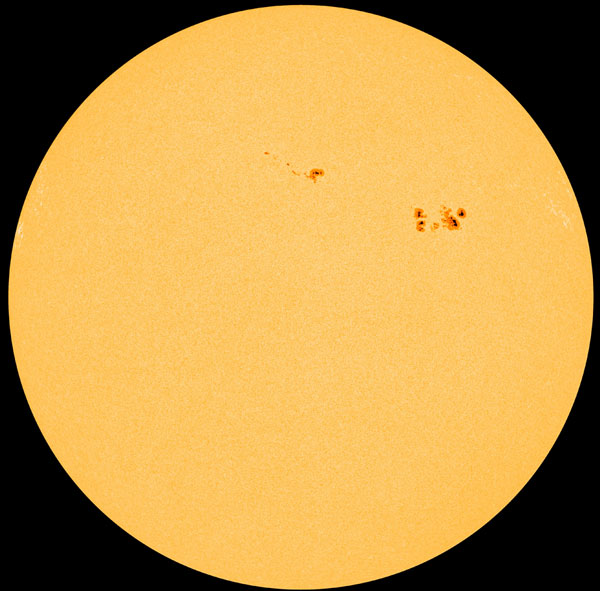
Although the severity of this storm has not been elucidated, some scientists speculate that these two black spots can cause moderate-scale storms, radio interference and…

The US weather report said a strong spark from the sun has caused the biggest radiation storm since 2005 and could affect some polar communication satellites.
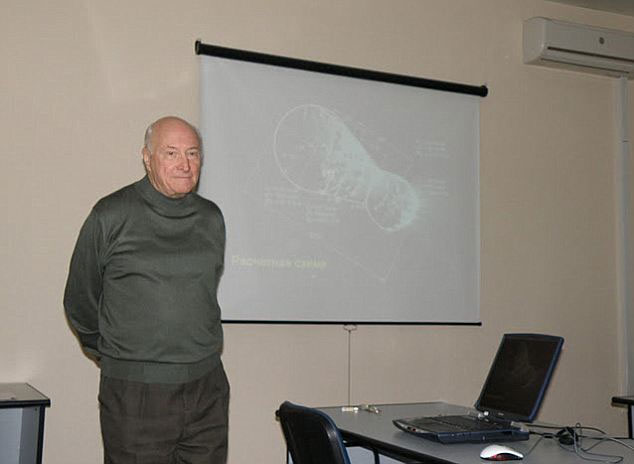
A Russian scientist claimed to have found life on Venus, a finding that if accurate, would upset the entire previous human understanding of the solar system.
A camera installed on the American police patrol car accidentally recorded a brilliant light that aviation officials confirmed was a meteor.
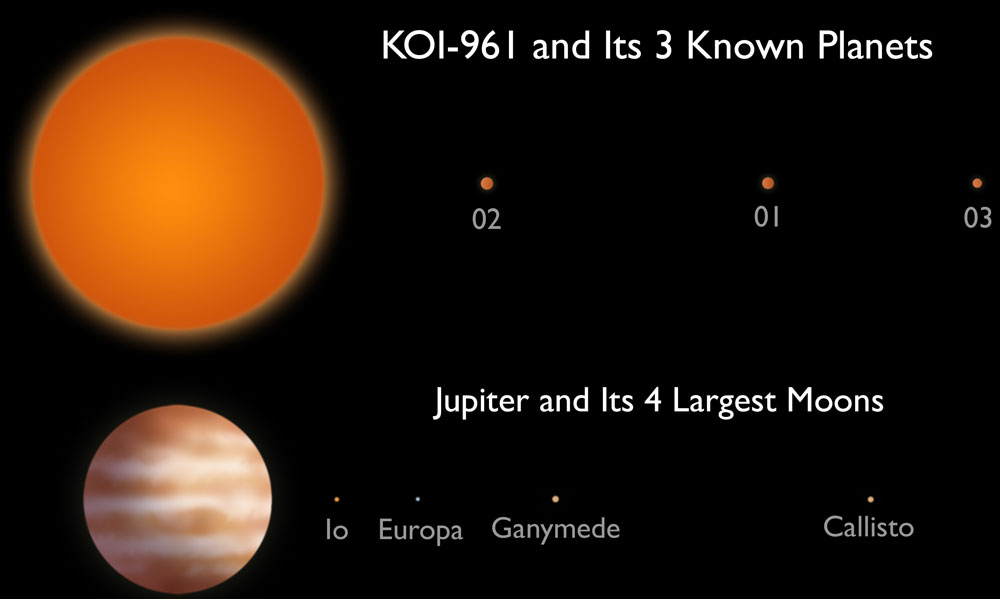
Thanks to data from NASA's Kepler telescope, astronomers have discovered three planets smaller than Earth, orbiting a star much smaller than our Sun.
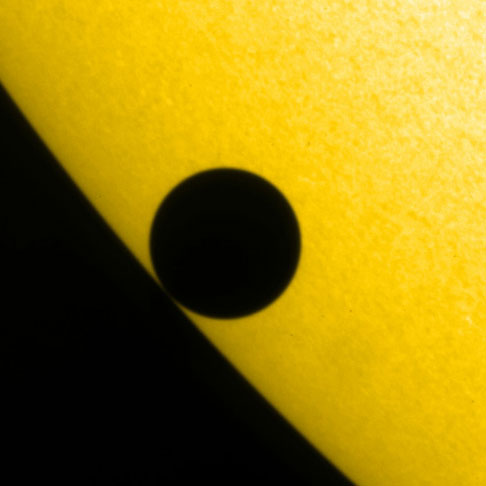
In June astronomers will have the opportunity to admire the sight of Venus gliding across the sun. The same event will only happen after more than a century.
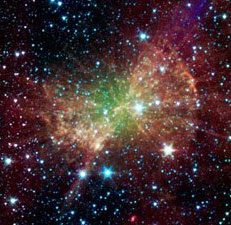
Astronomer Bill Snyder photographed the Dumbbell nebula, a cloud of dust of a star, showing us the prospect of our solar system's apocalypse.
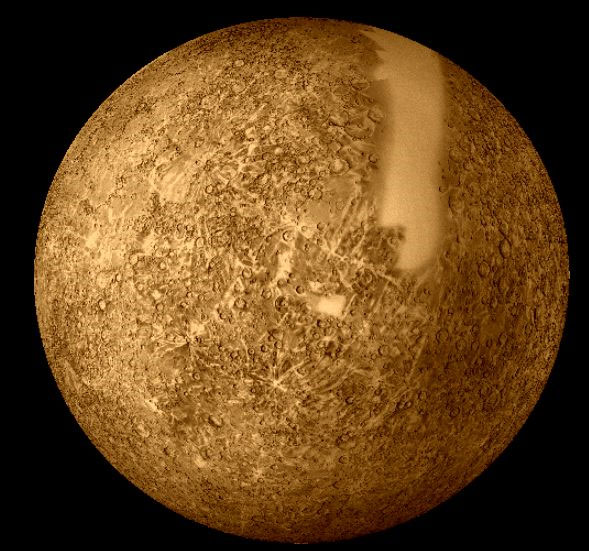
Mercury once collided with a large asteroid, which caused the planet to slow down, while also causing it to change its direction in the opposite direction to the Sun.