Medicine - Health
The first sunscreen in the world
Applying sunscreen is an effective way to help your skin resist the harmful effects of ultraviolet (UV) rays in the sun.
Browse ScienceInfo articles and explainers related to Sunscreen.
43 published items.
Applying sunscreen is an effective way to help your skin resist the harmful effects of ultraviolet (UV) rays in the sun.

Leaving shoes outside the door, applying sunscreen, adding lemon slices to the water, sneezing into your elbows ... are habits that help you stay healthy.
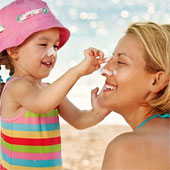
Sunscreen is not only a shield that protects the skin from ultraviolet rays but also contributes to preventing the appearance of some visible signs of age on the skin.

The pool cleaners can react with sunscreen, sweat and skin, forming a synthetic poison.
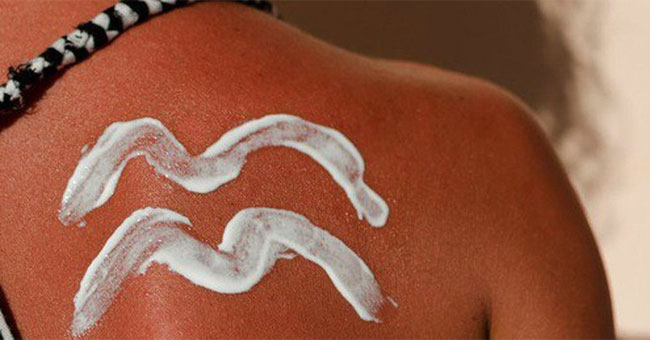
Ask all the beauty experts and dermatologists in the world to see what is the first thing you need to do before you go out on the street during the day? Definitely apply…
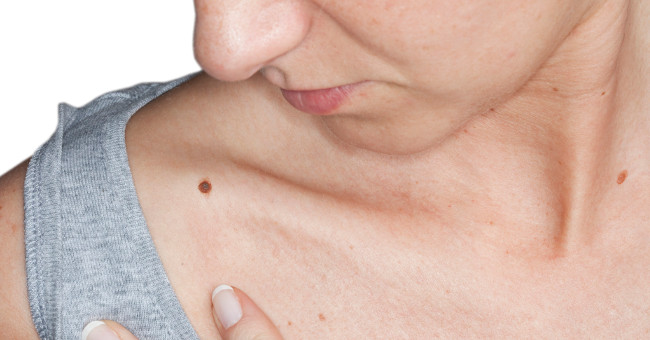
Continuously exposed to the sun without self-protection, Judy Cloud, 49, of the United States, has skin cancer and decides to share the impact of the disease on the body…
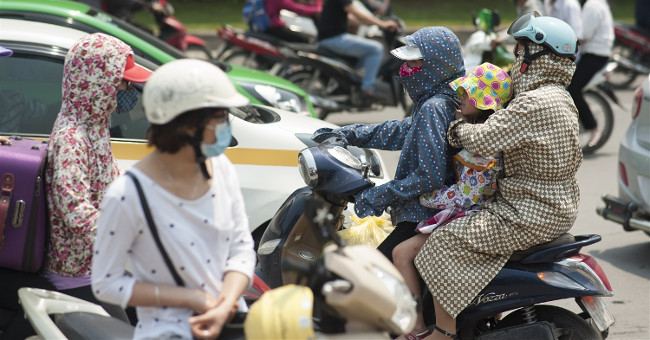
The hot days make people's lives turn upside down. In Ho Chi Minh City, UV index (ultraviolet rays) is quite dangerous.
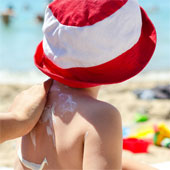
The latest study clearly demonstrates that the incidence of melanin tumors (a form of skin cancer) in adults can be reduced by using the right sunscreen at a young age.
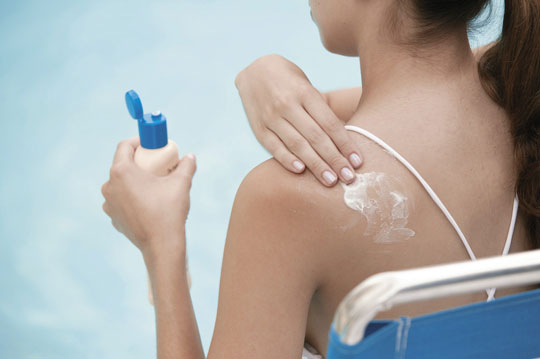
People who regularly use sunscreen are less likely to suffer from malignant tumors - the most dangerous form of skin cancer.

Researchers say sunscreens made from coffee, chocolate or tea may help prevent common skin cancer.
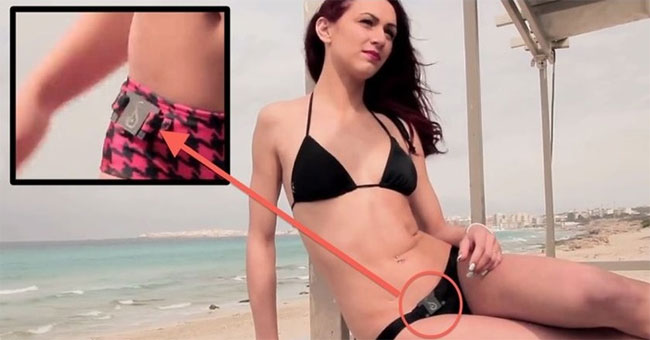
The UV-sensing part comes with a swimsuit that measures the sun's intensity and signals a reminder to wear more sunscreen.

Smart mirrors detect sunlight to meet the British beer culture in the sun.
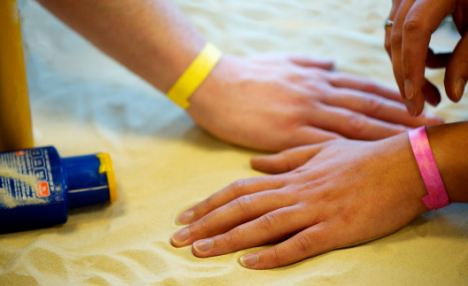
A paper wrist band can help prevent overexposure to sunlight and reduce the risk of cancer.