
Computer science
The US manufactures the world's largest computer chips
Cerebras' Wafer Scale Engine 3 (WSE-3) chip contains 4 trillion transistors and will help run the future 8 exaFLOP supercomputer Condor Galaxy 3.
Browse ScienceInfo articles and explainers related to Supercomputer.
141 published items.
Cerebras' Wafer Scale Engine 3 (WSE-3) chip contains 4 trillion transistors and will help run the future 8 exaFLOP supercomputer Condor Galaxy 3.

If today's most powerful supercomputers need 9,000 years to solve this problem, light quantum chips only need a few millionths of a second.
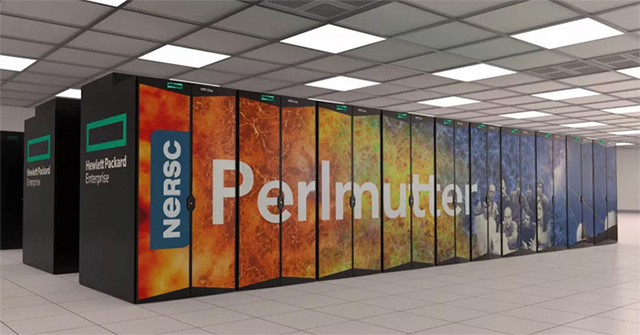
Nvidia unveiled a new supercomputer said to be the world's fastest for AI at the National Energy Research Science Computing Center (NERSC) in California.
A team of Chinese scientists has developed a new supercomputer so fast that it can successfully run artificial intelligence models as complex as the human brain.

It was the first supercomputer to achieve exascale performance, capable of processing 1.1 trillion operations per second.
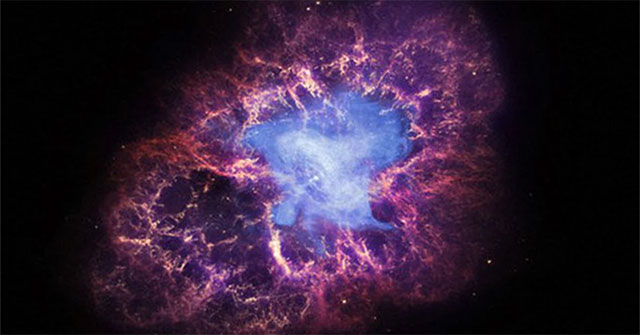
The world's most powerful supercomputer and artificial intelligence (AI) techniques have successfully simulated how carbon-12 - the seed of humans, species and even alie…
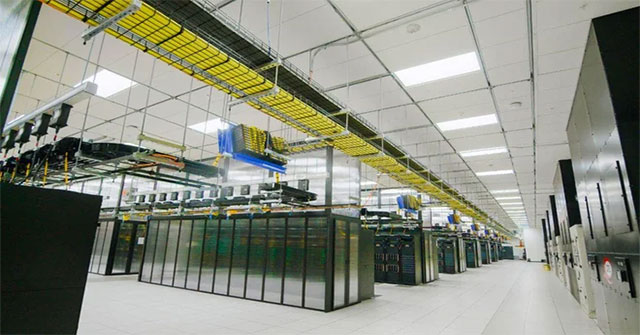
Meta, the parent company of Facebook, introduced AI Research SuperCluster (RSC), a supercomputer for artificial intelligence (AI) research projects.
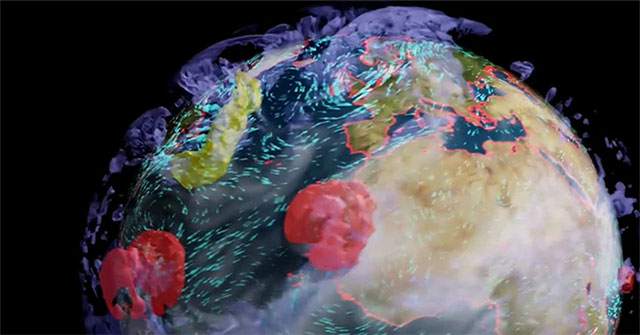
The earth is getting hotter and hotter. The past 7 years can be considered as the 7 hottest years in human history.

A Chinese research team has successfully built a quantum supercomputer system called
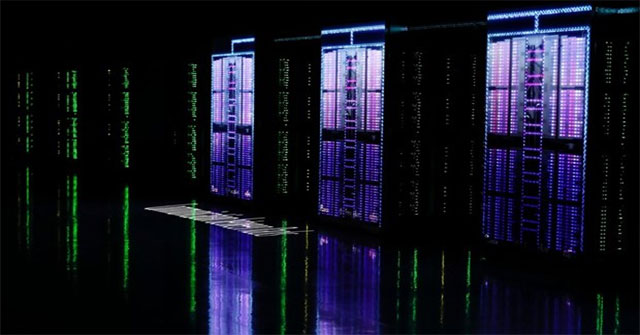
Not only dominating the processing speed, Fugaku supercomputer also occupies the top positions in 3 categories of applications in industry, applications of artificial in…
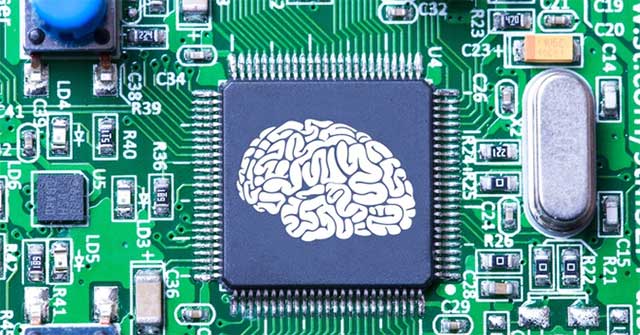
Researchers at MIT have successfully developed a type of 'memristors' artificial synapses with the most powerful processing performance ever.

Garry Kasparov once dominated the chess village until he was defeated by IBM's Deep Blue supercomputer in 1997.
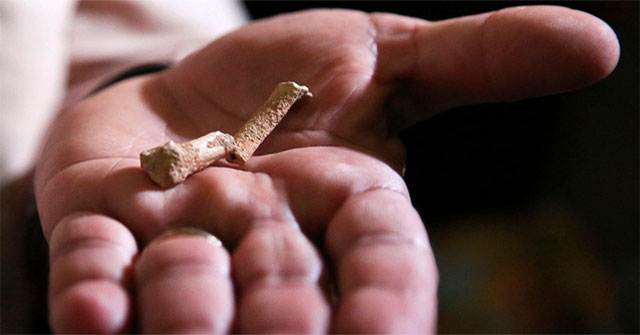
2019 witnessed major breakthroughs in science such as capturing the first image of a black hole, operating a quantum computer, solving a problem that exists for 65 years.
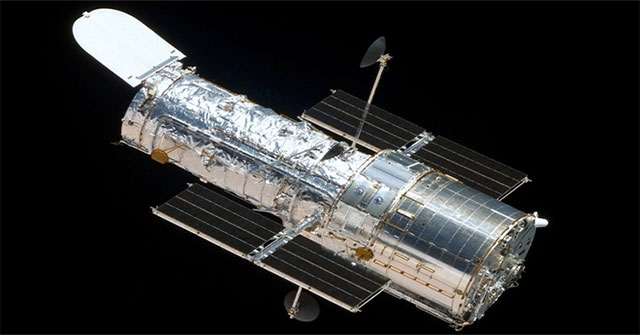
With importance in terms of history and scale, machines like IMP, steam chillers, Heinkel HeS 3, Ford Model T ... have really made a breakthrough in history.
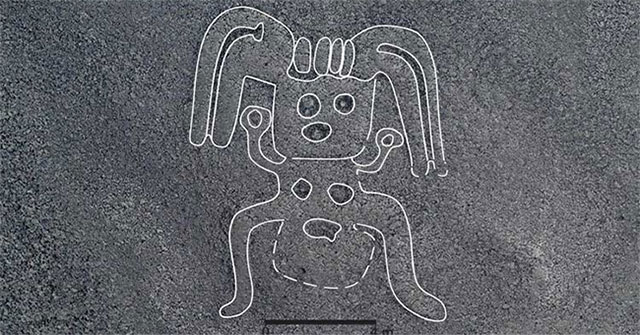
Researchers from Yamagata University, Japan announced the discovery of 142 new giant drawings on the Nazca plateau.