
Space science
Why the 'dead body' exploded many times over 50 years
An international team of researchers identified a star that exploded many times in 50 years, challenging all human knowledge of the process of dying.
Browse ScienceInfo articles and explainers related to Supernova.
142 published items.
An international team of researchers identified a star that exploded many times in 50 years, challenging all human knowledge of the process of dying.
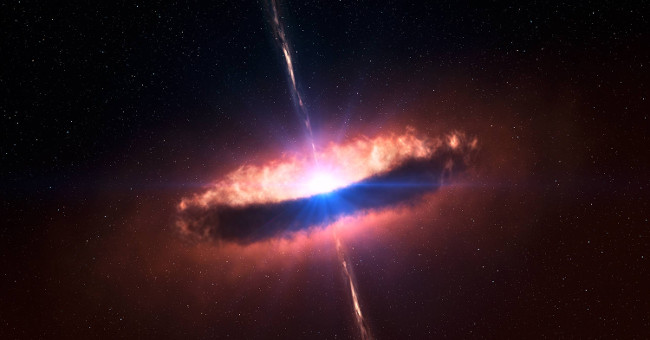
Hypernova is a particularly large star that collapses at the end of its life. Until the 1990s, it refers to an energy explosion with energy of more than 100 supernovae (…
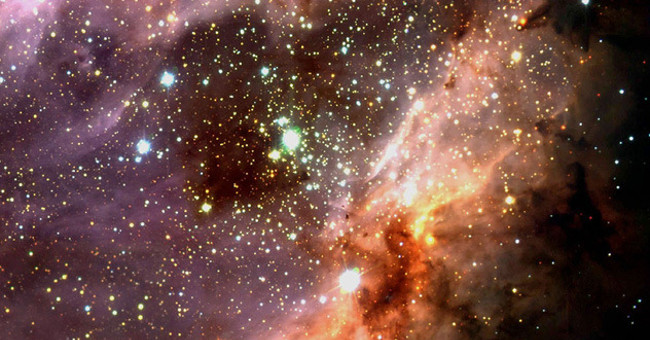
For the first time in astronomical history, scientists have found solid evidence of the origin of dust formation in the universe, especially the period of the early univ…
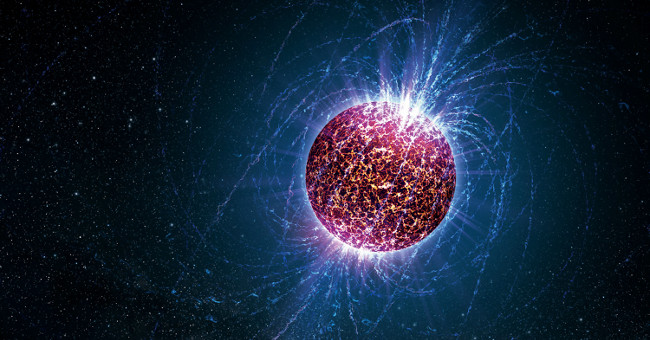
In this article, let's find out why Neutron is and how it is formed!
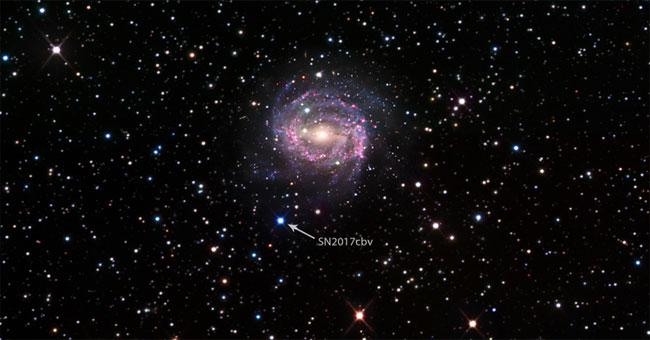
David Sand at the University of Arizona, USA, received a notification from the PROMPT telescope in Chile about the SN 2017cbv supernova explosion at one of the 500 galax…
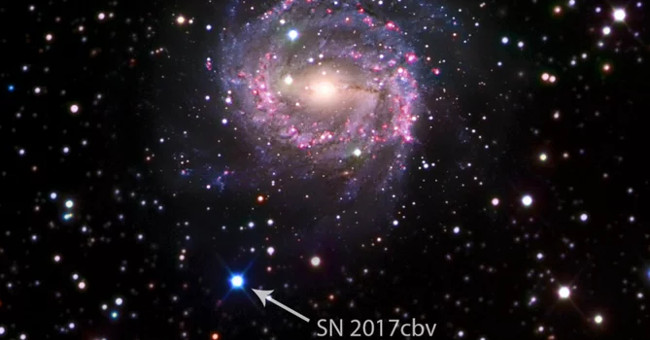
A recent observation using the Las Cumbres Observatory (LCO) has helped astrophysicists discover a new supernova explosion crashing into its companion star.
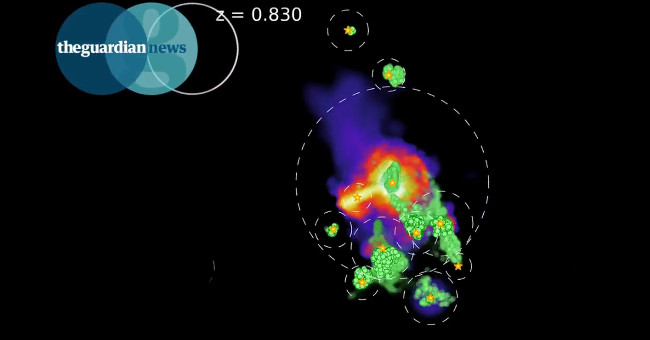
US scientists point to the possibility that half of the body's material is derived from supernova explosions in satellite galaxies smaller than the Milky Way galaxy.
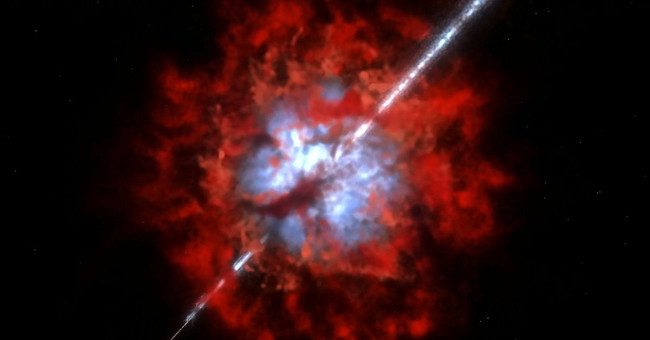
A gamma ray explosion occurs when a giant star dies, exploding like a supernova and collapsing into a black hole.
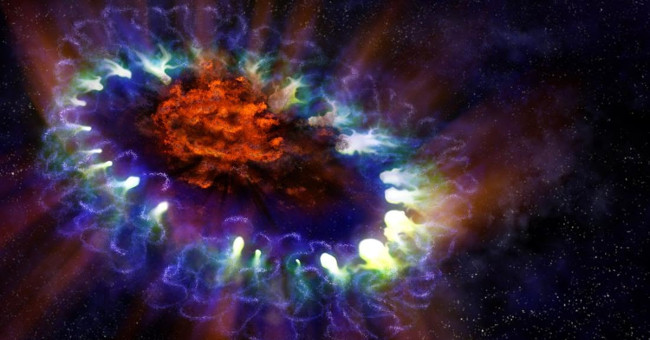
More than three decades ago, astronomers witnessed a rare and extremely intense cosmic event: a dying star that exploded 168,000 light-years away.
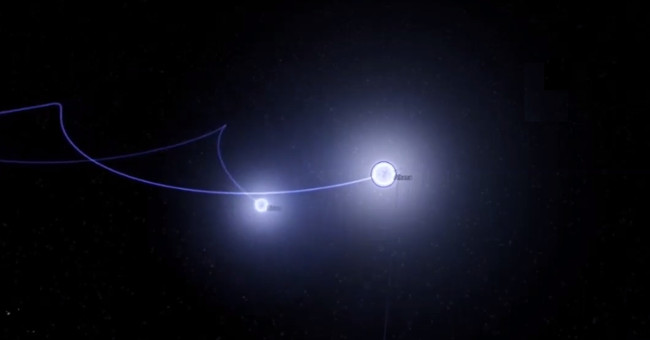
Supernova explosions are the culprits that cause super-high-flying stars to fly through galaxies.
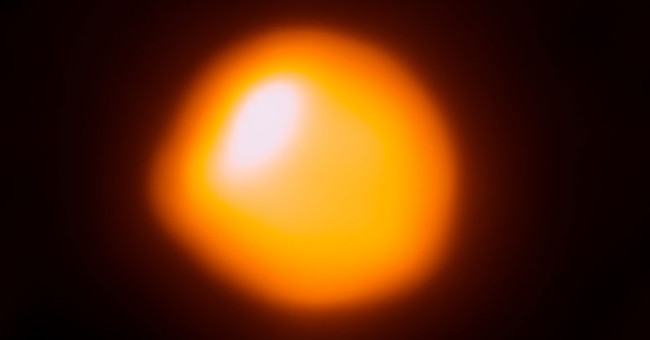
When the red giant star is 1,400 times larger than the Sun explodes, the light emitted can be observed from above the Earth.

As an astronomer, you've probably heard of supernovae and supernovae. So what is a supernova?

The distance of death between supernova explosions and Earth is twice that of previous scientists' estimates.
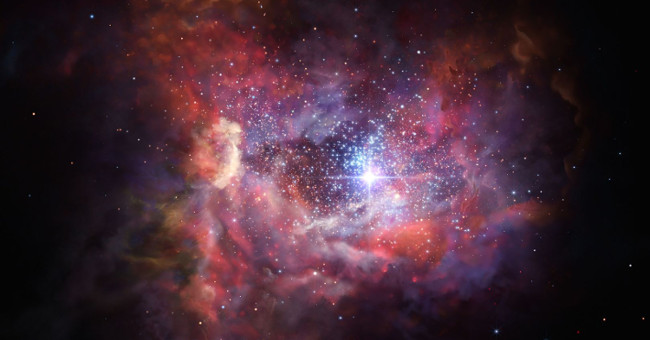
Astronomers have discovered a cloud of sparkling cosmic dust at the age of 4% of the current age of the universe, making it one of the first rays of the universe ever re…
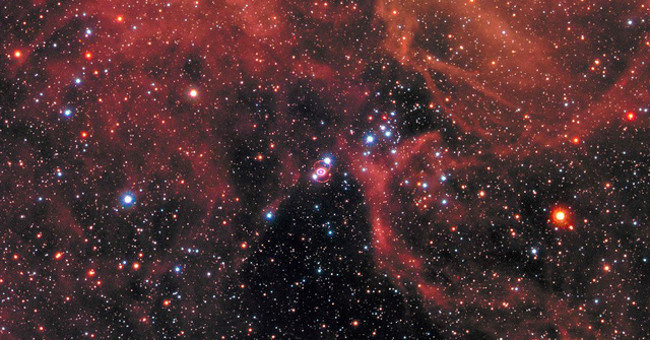
Stunning images for NASA marked the 30th anniversary of the discovery of the brightest supernova in the past 400 years.