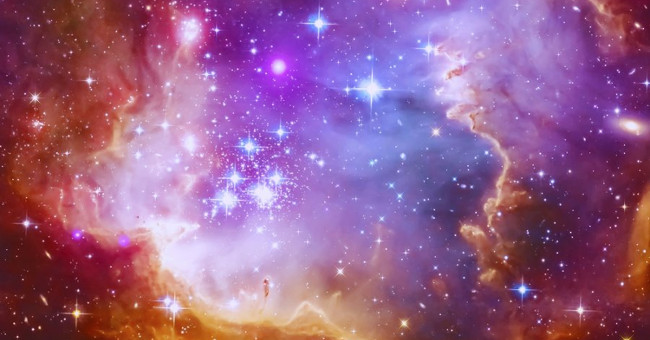
Space science
Things you didn't know about the Nebula
The nebula is a celestial body in the form of cloudy clouds consisting of stellar gas and cosmic dust. The proportion of matter in the nebula very low. If measured by th…
Browse ScienceInfo articles and explainers related to Supernova.
142 published items.
The nebula is a celestial body in the form of cloudy clouds consisting of stellar gas and cosmic dust. The proportion of matter in the nebula very low. If measured by th…

Scientists have recently traced the source of the mysterious signal over the past decade, in a galaxy 3 billion light-years from Earth.
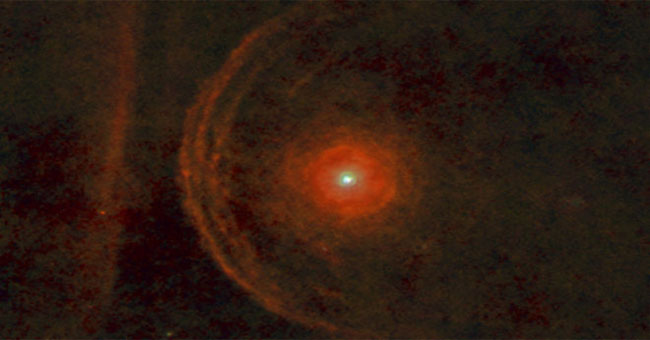
The star Betelgeuse 10 million years old with a diameter of more than 1.3 billion kilometers may have swallowed a companion mass with the mass of the Sun.
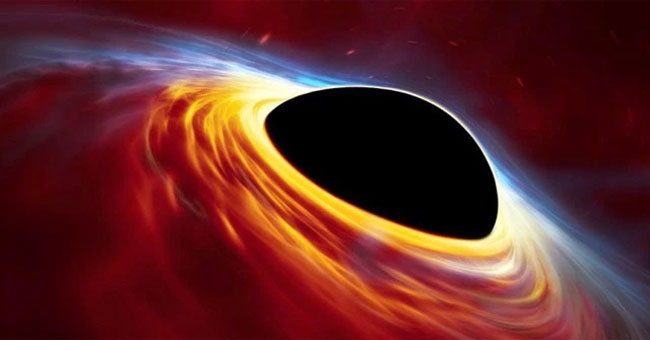
The supernova is 20 times brighter than the brightness of the entire Milky Way, which is essentially the corpse of a star so close to the super black hole and torn apart.
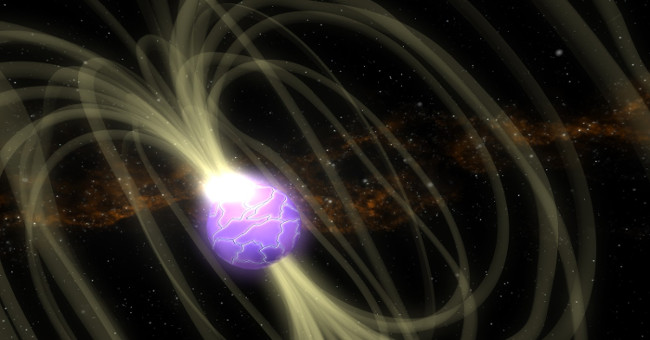
American scientists first discovered the strong release of gamma-ray radiation accompanied by radio waves in very short time.
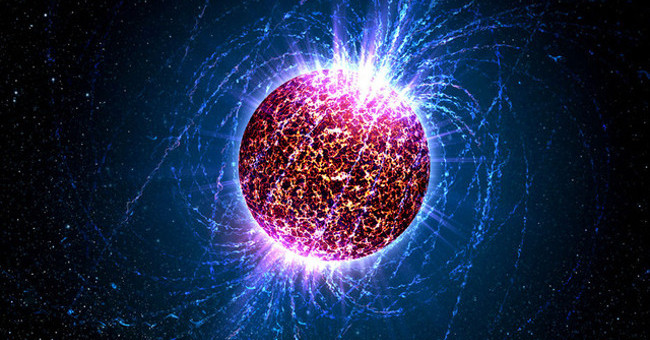
A quantum phenomenon takes place with a giant scale of a cosmic star.
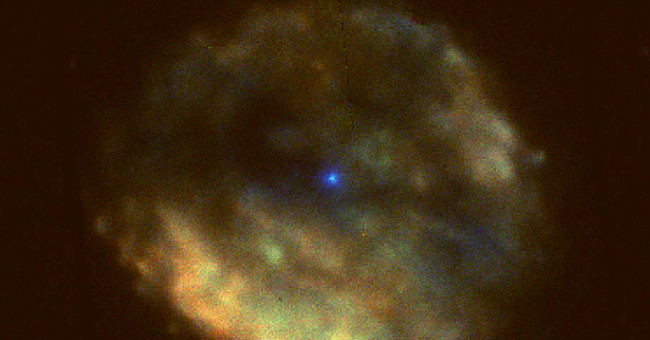
An unexpected infrared light source from a supernova remnant is surprising to astronomers.
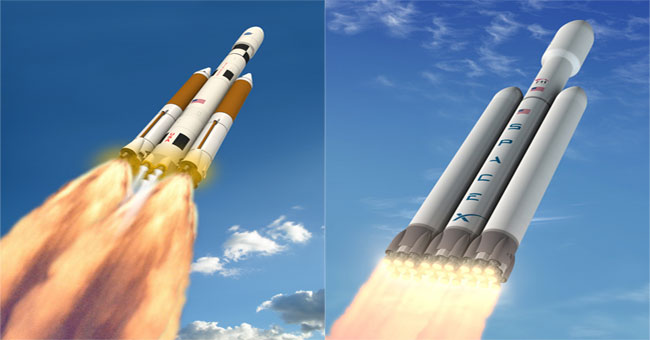
Boeing's CEO revealed his ambition to build rockets to send people to Mars first, surpassing billionaire Elon Musk's rival SpaceX.
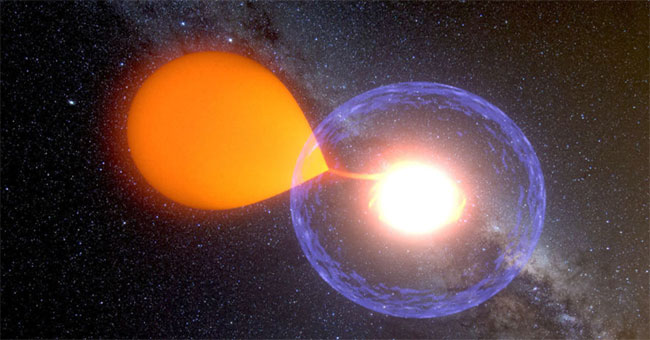
Scientists have recorded the moment when a supernova exploded, a rare event in the cycle that lasts from thousands to millions of years of a star.
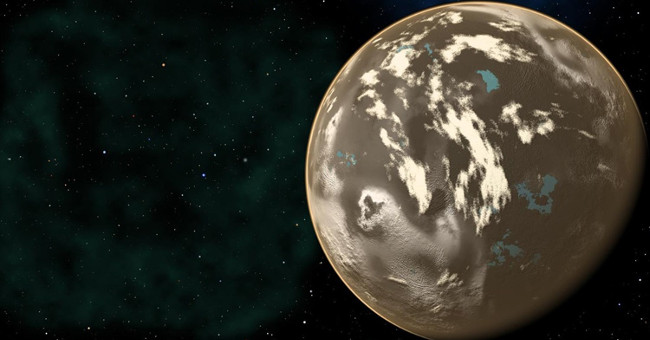
New research by American scientists indicates that diamond planets may contain the first life form in the universe.
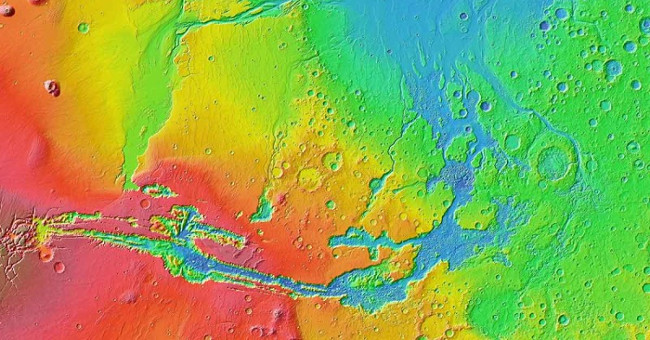
Tsunami waves 50 meters high can land on the mainland on Mars about 3.4 million years ago after two asteroids collided.

Although the stellar explosion lasted only 20 minutes and took place 1.2 billion light-years ago, the US Aerospace Agency (NASA) successfully recorded the bright light e…
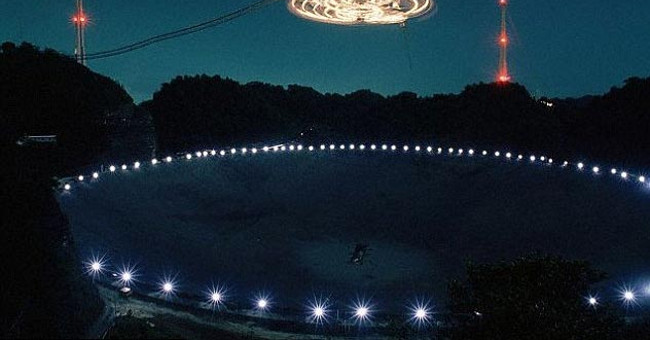
Frequent flashy radio waves burst across the universe in just a few milliseconds, before disappearing almost immediately afterwards.
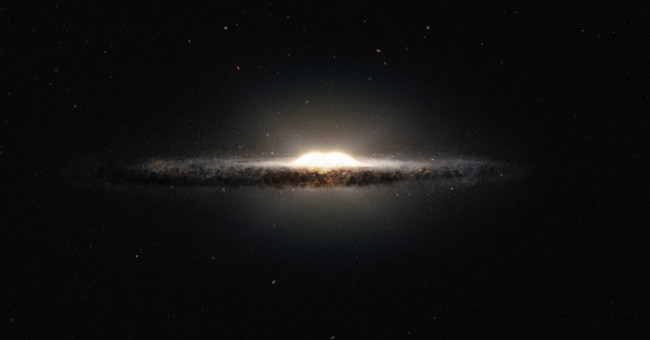
The lifespan of a galaxy is thought to depend on the amount of gas it possesses to form a new star.
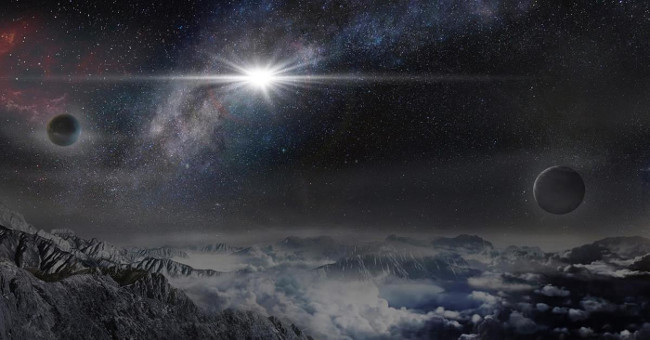
Scientists discovered the most powerful supernova ever with 20 times the brightness of the Milky Way and 570 billion times the Sun.