Space science
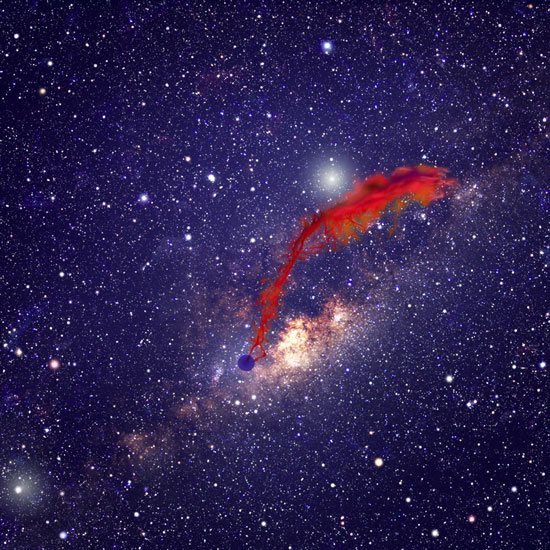
Can the planet exist between the Milky Way core?
At the center of the Milky Way, the crowded stars are packed close together, supernova explosions emitting horrific shock and radiation waves, not to mention the greedy
Browse ScienceInfo articles and explainers related to Supernova.
142 published items.
At the center of the Milky Way, the crowded stars are packed close together, supernova explosions emitting horrific shock and radiation waves, not to mention the greedy
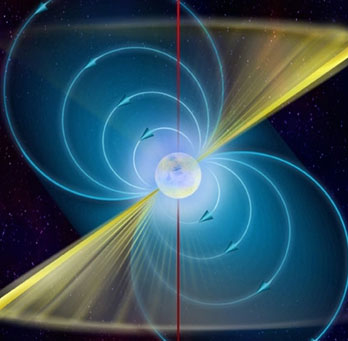
Dark stars - super-condensed neutron stars - also known as the most special Physics labs in the universe. These super-celestial studies have been awarded two Nobel prize…
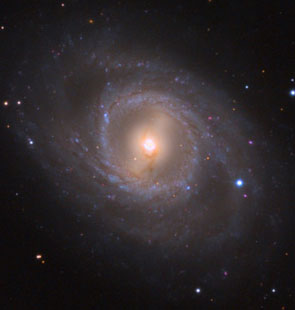
Astronomers and observers discovered the supernova's bright spot on March 16 on the Galaxy band. This supernova is spiral-shaped, the constellations are closely linked.…
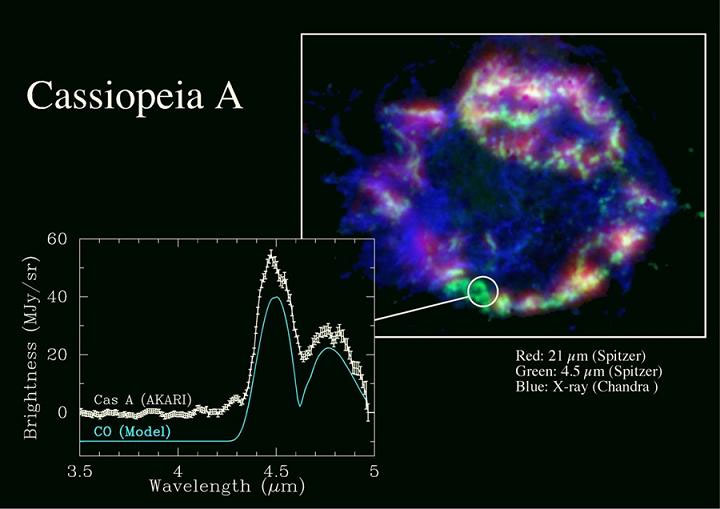
The group of scientists using the Japanese AKARI Infrared Observatory of Japan found the carbon monoxide (CO) molecule in the hot air 10 million degrees Celsius emitted…
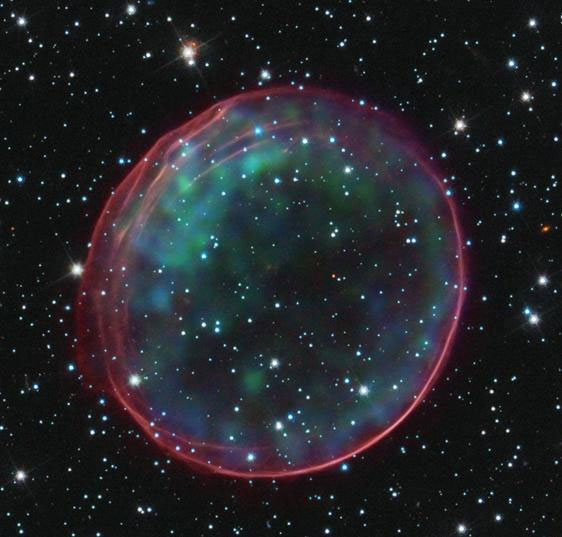
With the Hubble Space Telescope, astronomers have lifted the long-standing mysterious veil of a star form, or its predecessor, to cause a supernova explosion in a galaxy…
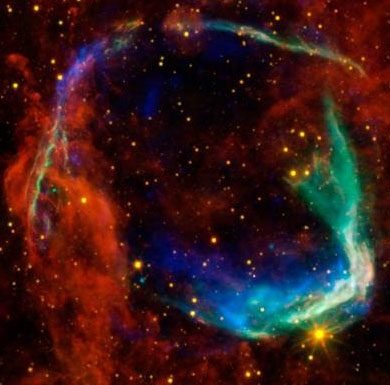
The greatest mystery of the ancient supernova discovered by Chinese people 2000 years ago has been decoded.
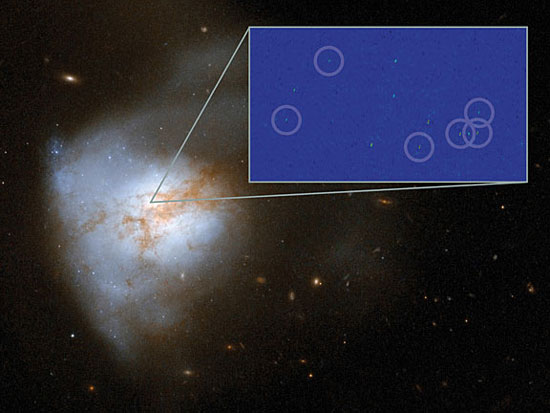
A group of astronomers at the Chalmers and Onsala Space Observatory recently discovered seven supernovae that had never before been known in a galaxy 250 million light-y…
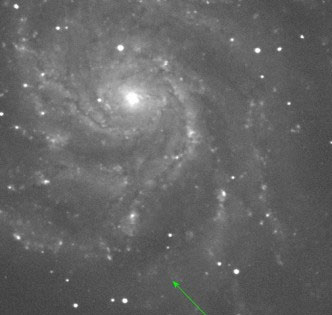
On August 25, a supernova was discovered, about 21 million light-years from Earth, closer to any supernova ever.
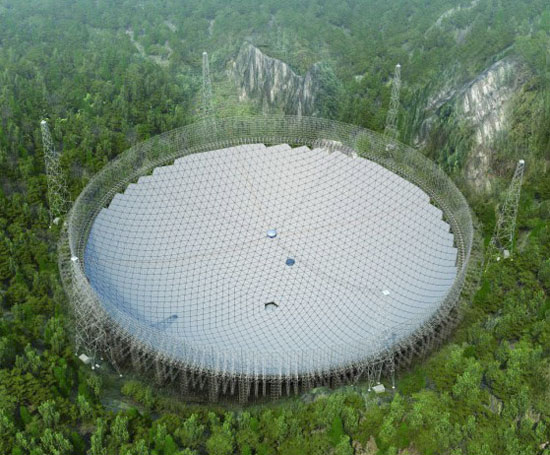
In 2016, the world will have an extraordinarily powerful telescope to search for aliens.
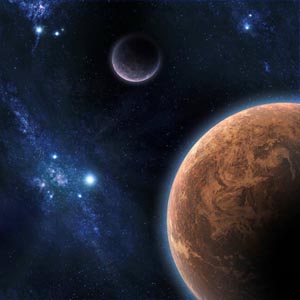
This is challenging astronomers. Although, over many years of searching, there is no confirmation of our alien life.
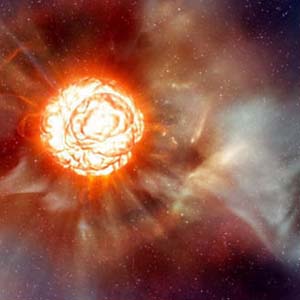
According to astronomer Bred Carter, star Betelgeuse, in the constellation Orion, 640 years from Earth can be 'angry' and threaten the Earth at any time.
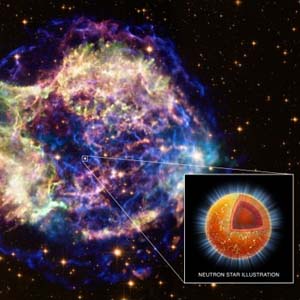
Scientists in Russia and Mexico have found evidence of the existence of a form of matter that humans have never known in the core of a neutron star.
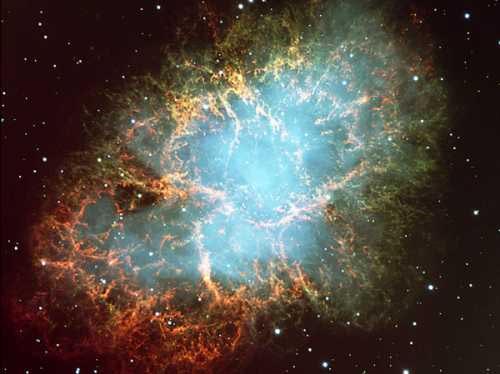
A 10-year-old female student in Canada has recently been recognized by the International Astronomical Union as the youngest person to see the star exploding scene.

Astronomers first observed the formation of a black hole when tracking a supernova 50 million light-years from Earth.

Although they are bright stars, supernova cannot create the heaviest elements.