Space science
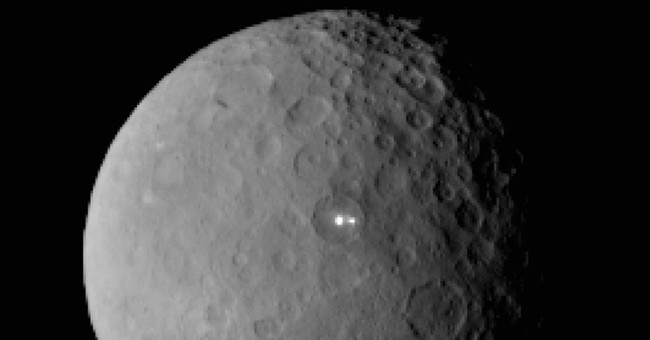
Learn about dwarf planet Ceres
This dwarf planet was discovered by Giuseppe Piazzi on January 1, 1801 and named after the Greek goddess Ceres.
Browse ScienceInfo articles and explainers related to Surface.
1,629 published items.
This dwarf planet was discovered by Giuseppe Piazzi on January 1, 1801 and named after the Greek goddess Ceres.
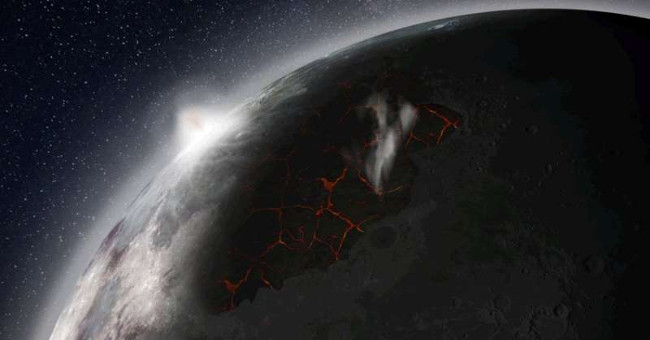
US scientists discovered on the Moon that the atmosphere existed about 3 to 4 billion years ago, Futurism reported on October 7.
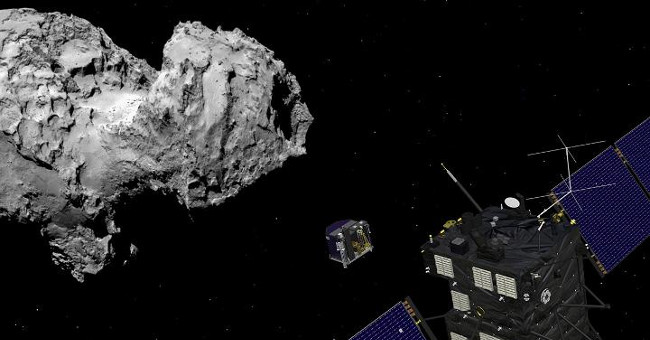
In 2004, the European Aviation Agency (ESA) launched an ambitious space mission named Rosetta.
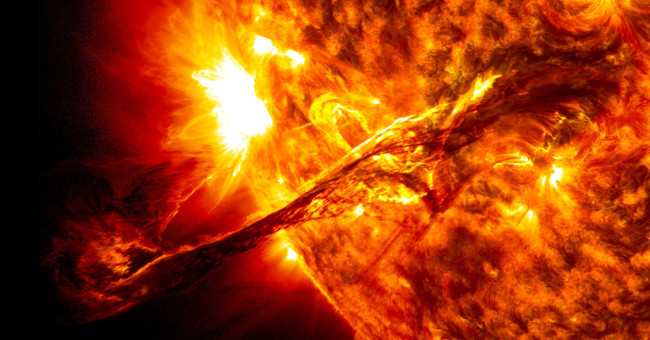
To answer this question, we must know the exact temperature and the factors that influence the Sun and Earth.
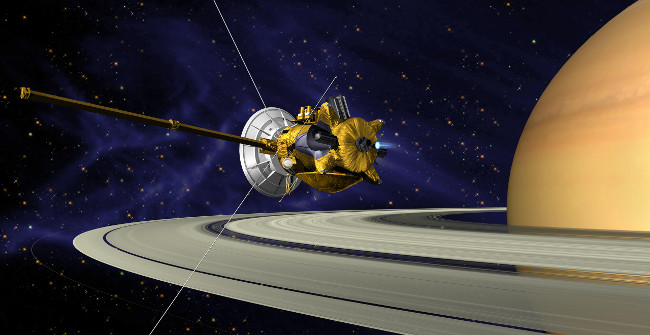
The Cassini spacecraft is about to fly through Saturn's atmosphere and crash into the giant planet's surface after 13 years of discovery.
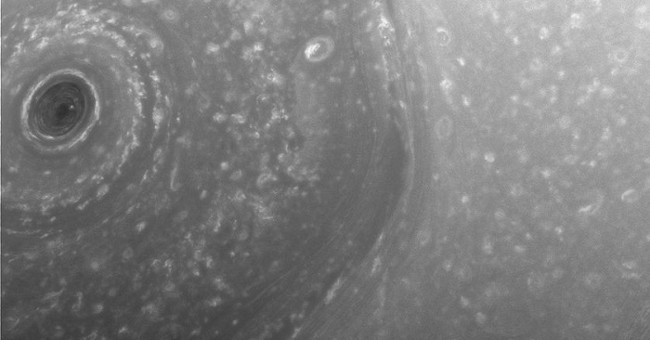
Cassini is running out of fuel. When the fuel runs out, scientists won't be able to control Cassini in the right way.
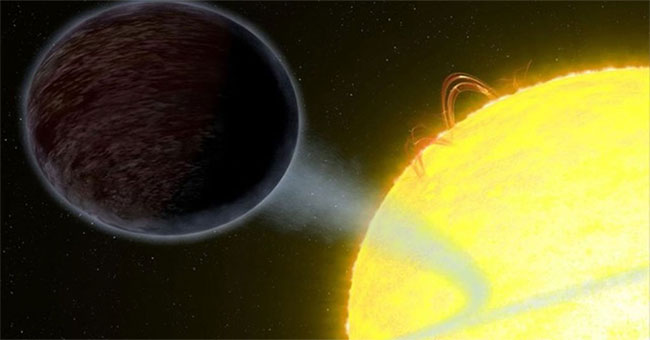
The Hubble Space Telescope of NASA discovered the strange planet WASP-12b is almost completely black, because it absorbs 94% of the light shining on the surface.
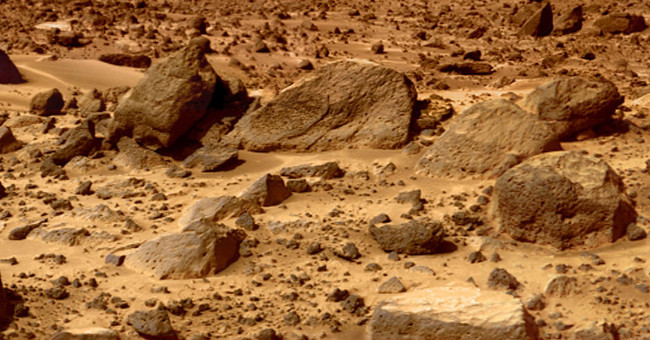
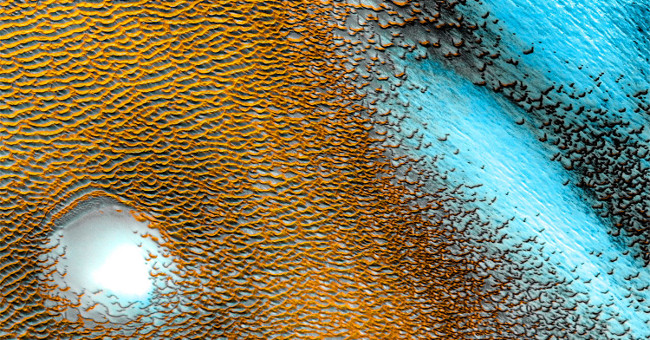
This result reinforces the belief in cosmologists in the journey to find water and life on Mars.
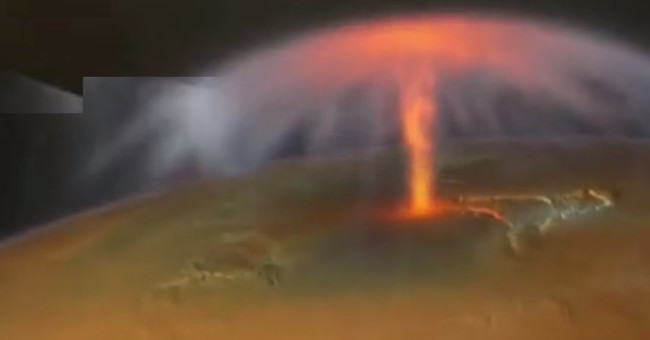
According to scientists, Jupiter's moon Io is the place with the most intense volcanic activity, but the surface of this celestial body is so cold that it can kill all l…
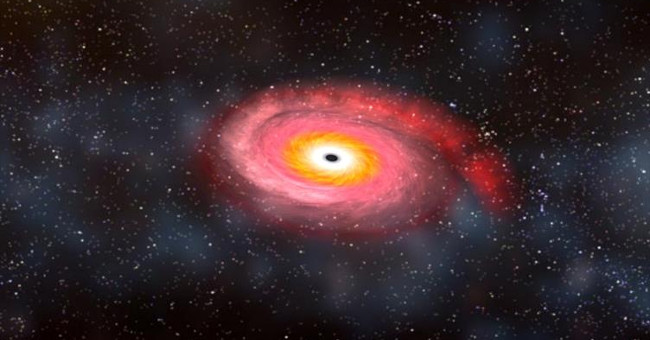
Neutron stars are the most dense star in the universe. It is estimated that only a scoop of neutron star's surface matter weighs three billion tons, 900 times the mass o…
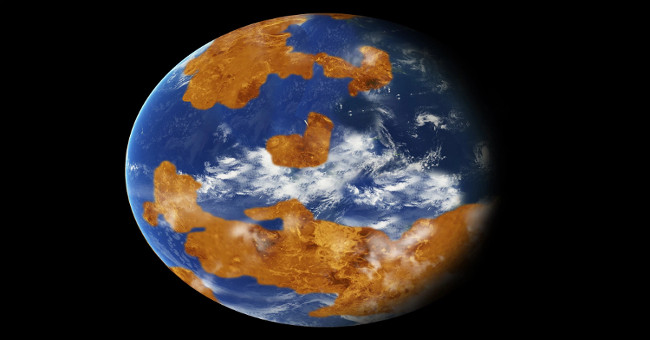
The team ran a series of computer simulations, using various parameters to understand the development of Venus after its formation.
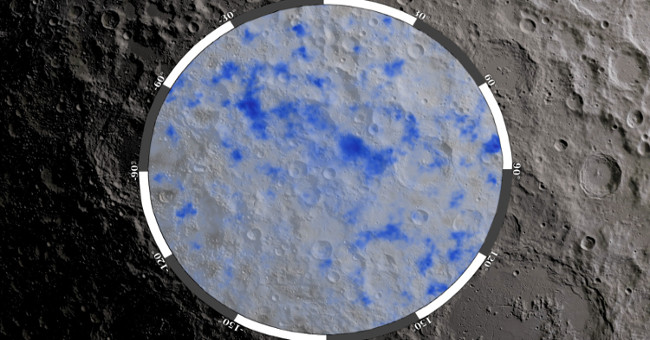
Recently, experts from Brown University (Rhode Island, USA) have found evidence that the Moon may contain a huge amount of water inside volcanic glass layers.
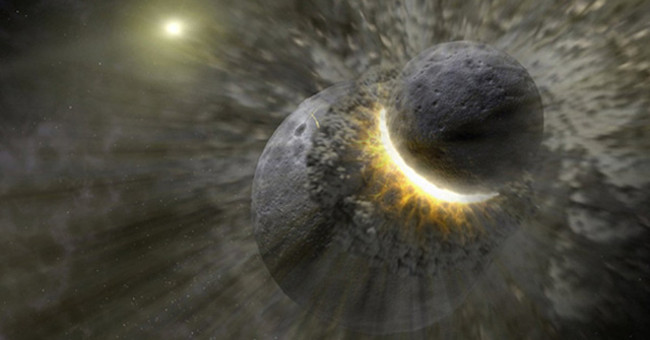
According to scientists, the model of the Moon's atmosphere is early
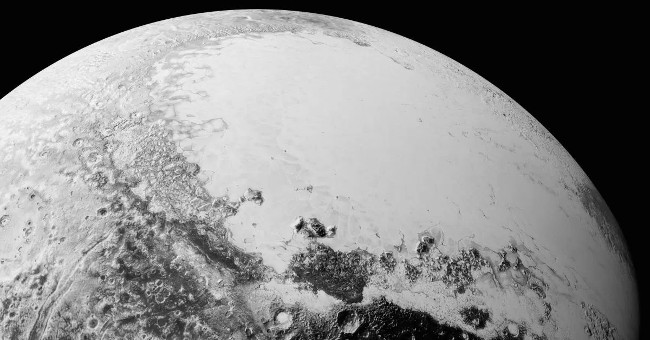
NASA published a detailed video describing Pluto terrain and Charon satellite based on data collected by the spacecraft.