New technology
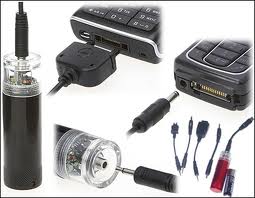
Charge the mobile phone remotely
Japan's Fujitsu today announced a technology that uses a magnet to charge more than one electronic device at the same time, complete with wireless technology.
Browse ScienceInfo articles and explainers related to System.
5,606 published items.
Japan's Fujitsu today announced a technology that uses a magnet to charge more than one electronic device at the same time, complete with wireless technology.
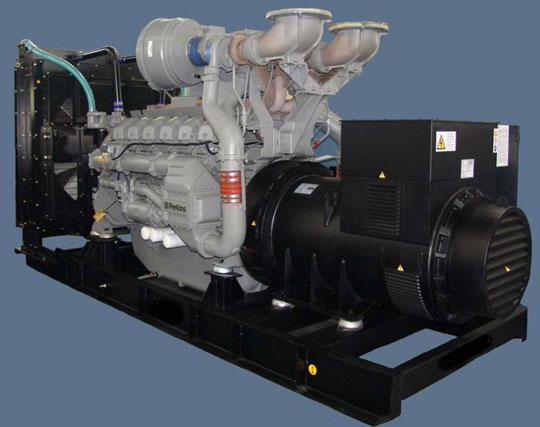
Researching, designing and manufacturing solar power generation system based on the principle of accumulation (light engine)

Many players and professionals require the use of 'golf bar' technology in professional and important matches.

European researchers have developed a smart robot that can orient itself in the city and collect garbage on residential areas as required ...

The US Navy has turned four unmanned APs into ashes with a laser launcher in a recent test.

A camera that is capable of connecting to artificial satellites to measure vehicle speeds at extreme distances is being tested in the UK.

Science has always sought to create robots that replace people in a variety of fields, ranging from health care, education and media.

Brunei Navy currently owns three British-made Nakhoda Ragam-class corvettes with advanced electronic systems and weapons.

Researchers at Purdue University are developing new technologies that turn laser pulses into radio signals so that electronic devices in the home can connect wirelessly.

Researchers at the University of Tokyo's Robotics Research Division at JSK have developed the Kojiro robot, which can move in a surprisingly fluid motion.

Scientists at the Massachusetts Institute of Technology have discovered a new way to generate electricity: using carbon nanotubes to generate electricity.


In the past few years, unmanned aerial combat vehicles have become increasingly involved in military campaigns around the world.

In addition to developing the MQ fleet - a 'beast' and MQ - 9 'death god', the US military also implemented an ambitious project 'combined unmanned aerial combat system'.

Fingerprints and the eye are often used to identify a person, but according to the researchers, the nose is the one that helps identify the person faster and easier.