Space science
Discover an asteroid outside the Solar System
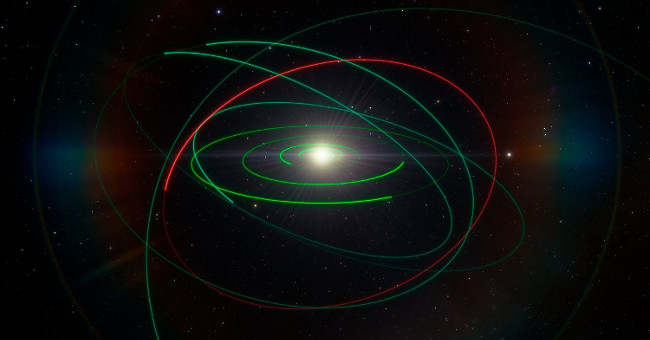
The discovery of the asteroid 2004 EW95 played an important role in helping astronomers discover the early formation of the Solar System.
Browse ScienceInfo articles and explainers related to System.
5,630 published items.
The discovery of the asteroid 2004 EW95 played an important role in helping astronomers discover the early formation of the Solar System.
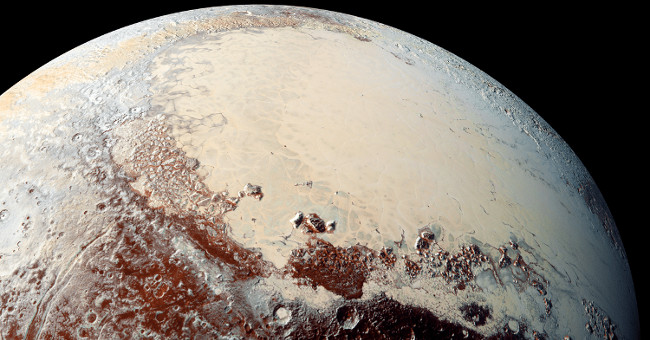
Before 2006, Pluto (or Pluto) was always considered the 9th planet of the solar system.

Because it seems that only this doctrine can explain the infinity of the universe.
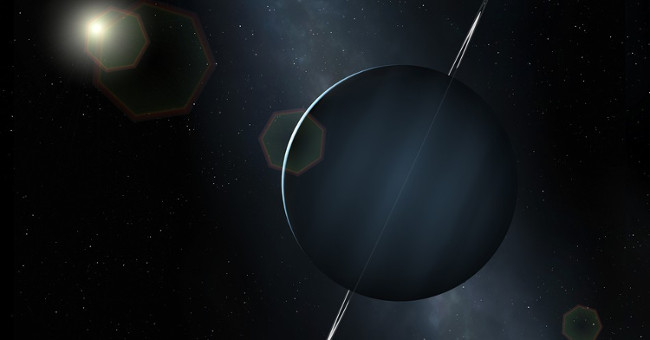
This planet, which has a pretty meaningful name
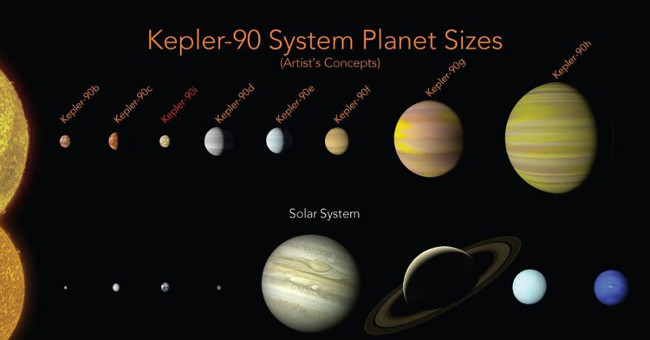
Researchers from the US aerospace agency (NASA) and technology giant Google have joined hands to teach a computer how to handle large amounts of data generated from the…
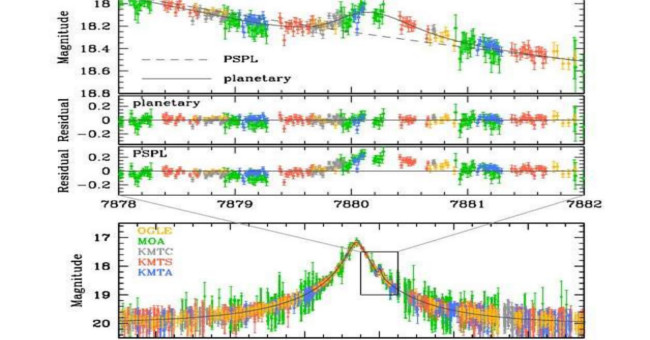
A group of international astronomers discovered one
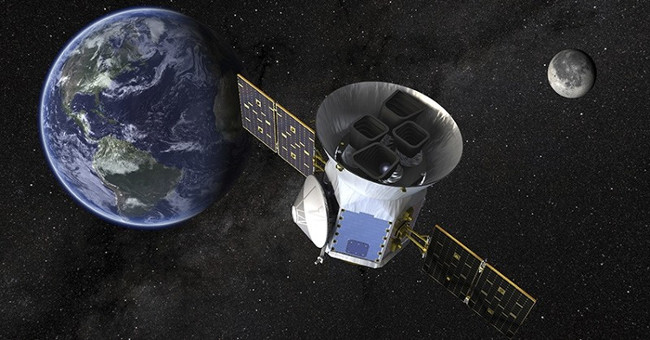
NASA is ready to launch a dishwasher-sized spacecraft worth $ 337 million with the aim of expanding exploration of planets outside the solar system.
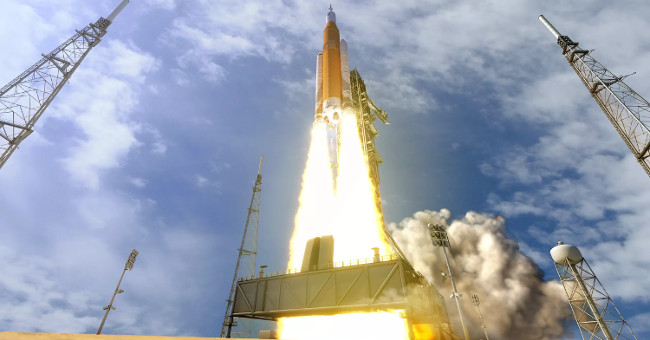
The launch was done with SpaceX Falcon 9 boosters from Cape Canaveral, Florida at 18:51 local time (5:51 on April 19, Hanoi time).
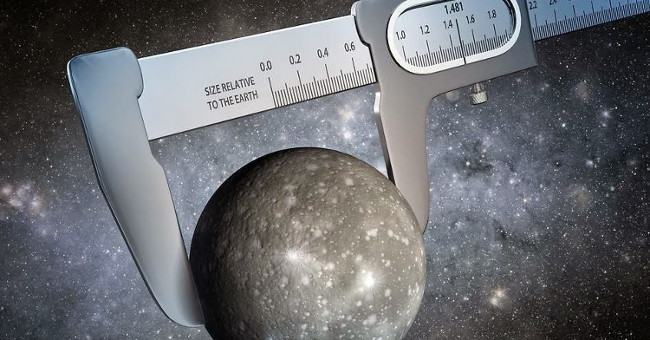
A physicist has proposed to overcome the lack of reasonable consistency in the measurement system of astronomical and astrophysics.

Scientists from the US Aeronautics Agency (NASA) examine the spray force of water when launching missiles at the John F. Kennedy Space Center in Florida, according to Lo…
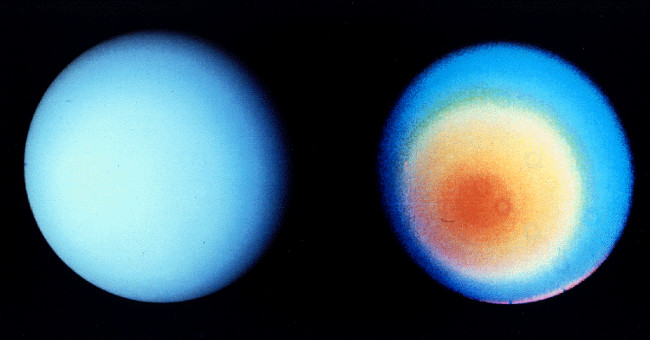
The seventh planet from the Sun, Uranus has the coldest atmosphere of any planet in the solar system.
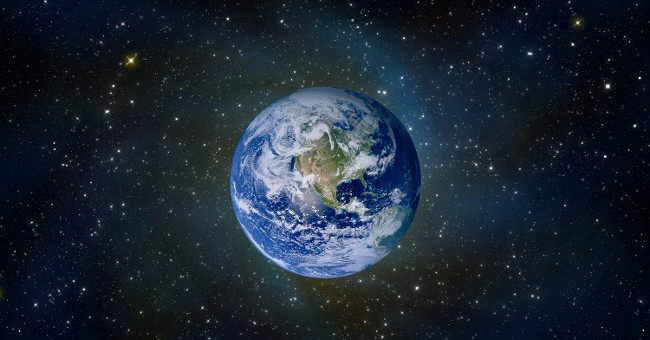
The majority of celestial bodies orbit the Sun, and the mass focuses primarily on eight planets with nearly circular orbits and closely spaced orbiting planes known as t…
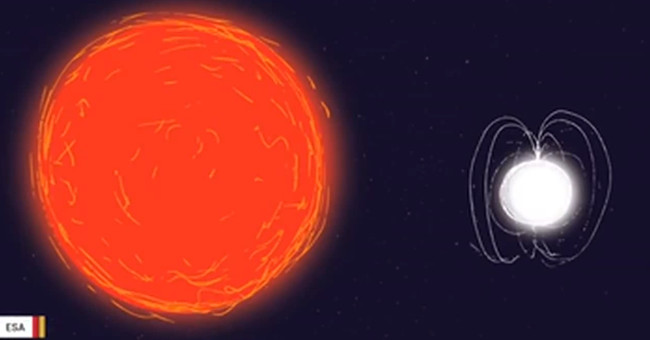
ESA researchers discovered wind from a giant red star that helped revive a companion dead star in binary.
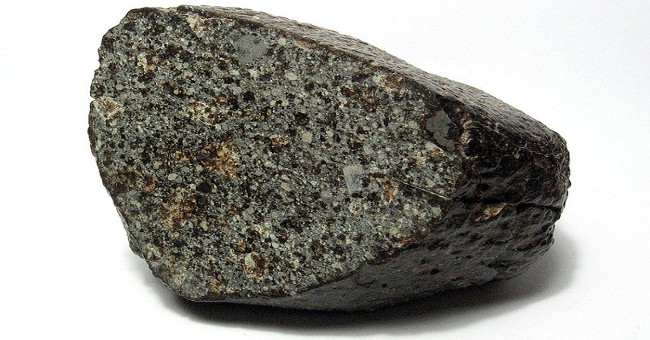
Chondrit is the most common meteorite falling to Earth with estimates of the ratio between 85.7% and 86.2% of meteorites falling to Earth.
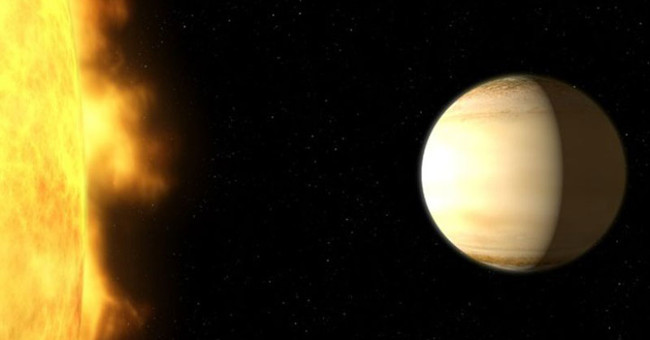
They used the Hubble space telescope and the Spitzer telescope to create a detailed spectrum of the WASP-39b atmosphere, allowing for evidence of water's existence.