AI - Artificial intelligence
China tests 'rule-breaking' AI technology in space
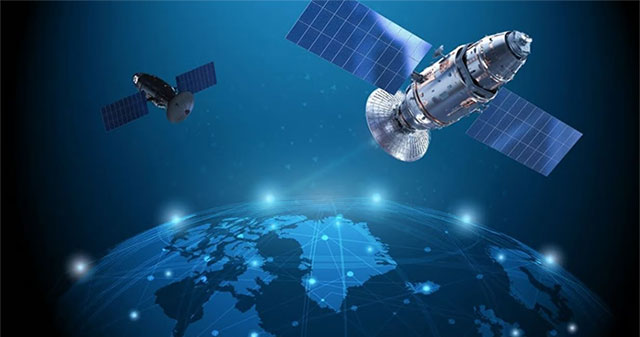
A research team at Wuhan University (China) gave AI technology full control of a satellite and left it free to operate for 24 hours.
Browse ScienceInfo articles and explainers related to Test.
2,893 published items.
A research team at Wuhan University (China) gave AI technology full control of a satellite and left it free to operate for 24 hours.

The hypersonic aircraft developed by Hypersonix Launch Systems is approaching its first autonomous test flight under the US Defense Innovation Unit (DIU) program.
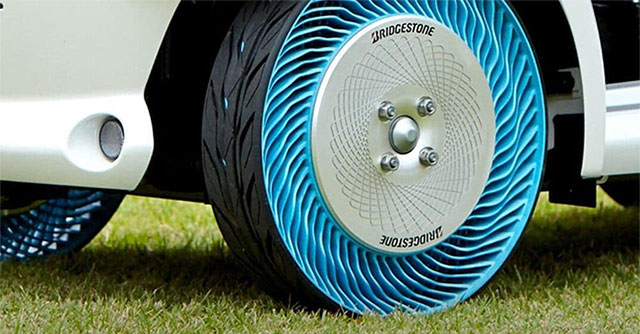
Japan's leading tire maker Bridgestone is testing tires that don't need to be inflated.
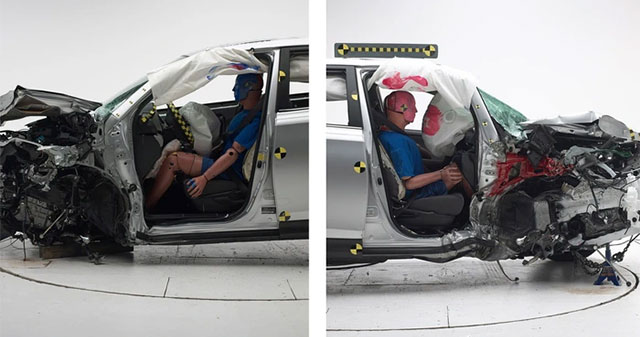
When it comes to high-speed collisions, people often imagine terrifying scenarios: loss of vehicle control, deafening collisions, rapid deformation of the vehicle body,…

These supercomputers are used in many fields such as simulating nuclear missile tests, weather forecasting, climate research, and testing computer encryption strength.

China has successfully tested for the first time a high-speed passenger train that can fly in a vacuum tube at a speed of 1,000km/h.

A European consortium has successfully tested the first gas turbine powered entirely by hydrogen.
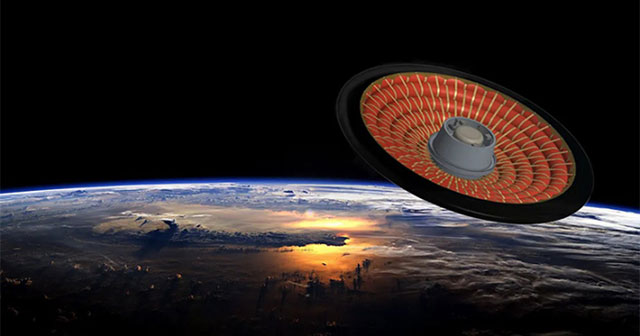
The US space agency plans to launch a giant inflatable deceleration plate into low Earth orbit early next month.

Chinese company Betavolt Technology claims to have successfully miniaturized a nuclear battery measuring 15 x 15 x 5mm, smaller than a coin, super durable and safe.

Behind this photo is an important test of the Japanese ship.

Prolonged fever after Covid-19 vaccination may not be a side effect of vaccination but a symptom of SARS-CoV-2 infection.
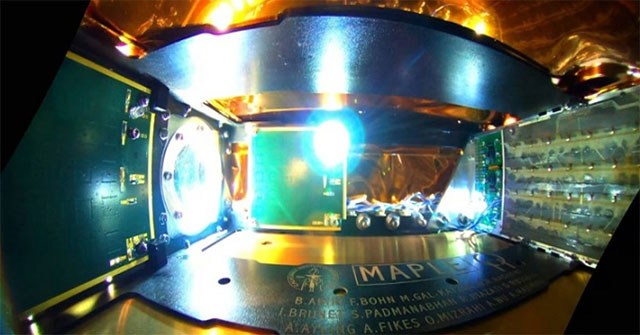
A research team at the California Institute of Technology (Caltech) conducted the world's first experiment transmitting wireless power in space.
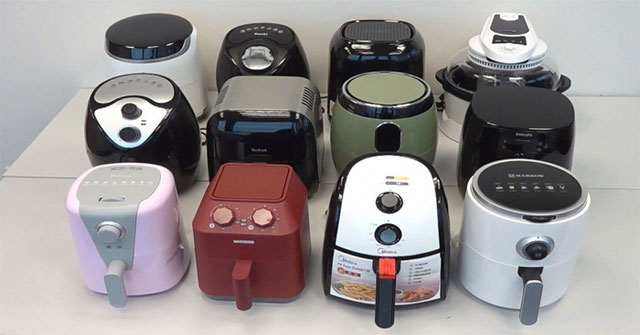
When fried for a long time and at temperatures greater than 120 degrees Celsius, plant-based foods, especially potatoes, have the potential to create carcinogens.

Many experiments have been conducted to test the capabilities of insect brains and the results have been surprising.

For many years, the field of virtual reality (VR) technology development has struggled to find a way to bring all five human senses into a virtual environment.