
New technology
Reveal how to transform ordinary people into superman
With tiny microchips implanted in a person, an ordinary person can become superhuman. They can unlock the door, turn on the lights, or log on to the computer with a sing…
Browse ScienceInfo articles and explainers related to Tiny.
473 published items.
With tiny microchips implanted in a person, an ordinary person can become superhuman. They can unlock the door, turn on the lights, or log on to the computer with a sing…

Although it is quite small in size, it is theoretically possible to live inside.

Simulating the behavior of insects in nature, Harvard's micro-robots are considered to be extremely effective spy, search, and rescue.
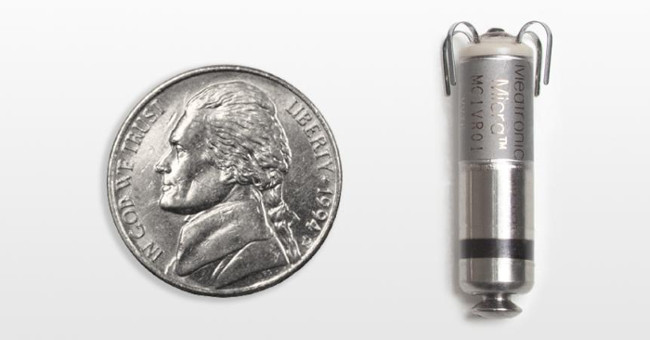
The US Food and Drug Administration (FDA) has approved the use of micra TPS, a micron-sized device that is only about the size of a vitamin pill.
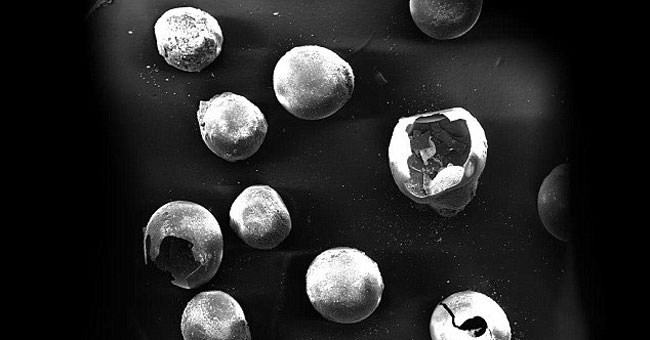
Scientists have sought to develop a structural coating of millions of tiny, hollow carbon globes, tightly packed into a single hexagon, made of carbonized sugar, which c…
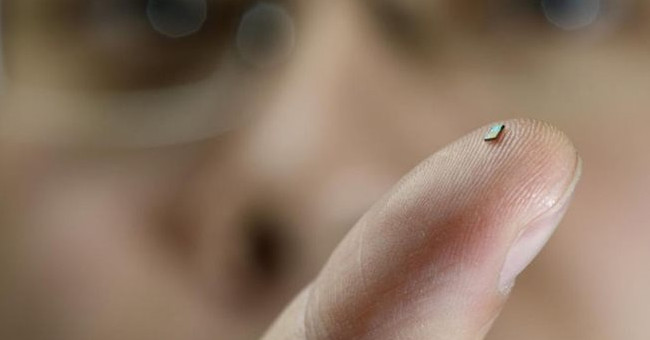
At present, traditional methods of measuring temperature are very expensive and ineffective.

They are autonomous drones, sweeping roads, checking and fixing potholes.
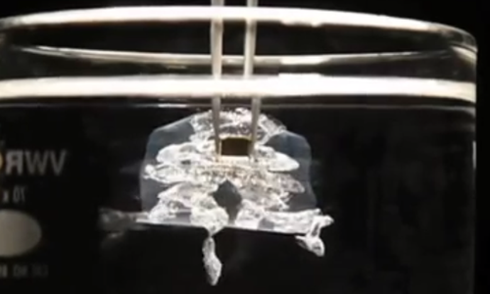
The tiny robot folds into many folds that can climb, swim, carry double the weight of the body. US scientists hope the robot will be put into the human body, serving the…
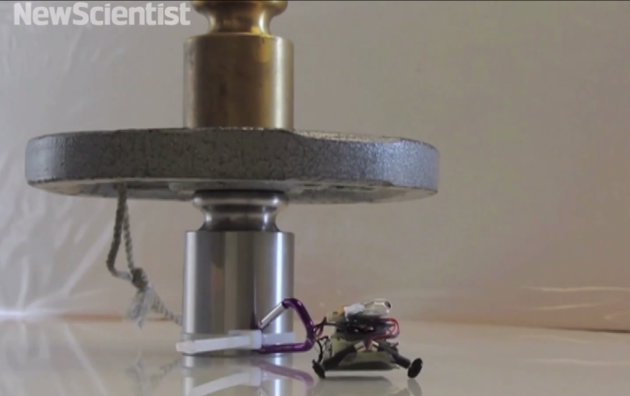
This robot experiment takes the idea from the gecko's ability to climb.
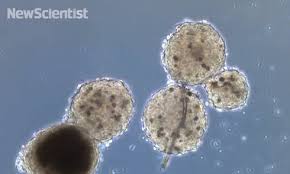
US scientists use 3D printers to create tiny hearts and liver chambers, hoping to be used in the field of medicine in the future.
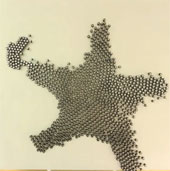
Researchers at Harvard University have created and found a way to make 1024 tiny robots work together to create spectacularly-shaped or synchronous displays.
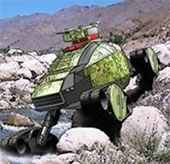
The US military has announced plans to build small tanks with unique stealth capabilities and double the speed of existing armored vehicles.
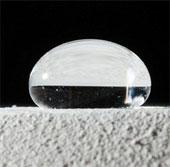
US experts have recently published research results in the development of a perfect super-waterproof material.
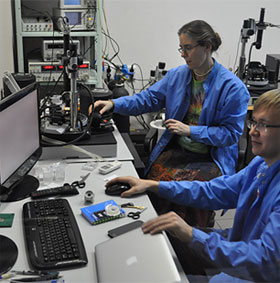
Today, Holographic Videos - the special effects that Hollywood uses in sci-fi movies are approaching reality.
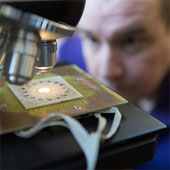
British scientists have found for the first time the ability to use ultrasound to capture or move certain micro particles in the body.