
Animal world
Detecting extremely rare rare snake species after decades of absence
According to RT, two farmers in Guapiruvu, Brazil have discovered a very rare snake Corallus cropanii. The snake weighs 1.5kg and is 1.7m long.
Browse ScienceInfo articles and explainers related to Tree.
1,714 published items.
According to RT, two farmers in Guapiruvu, Brazil have discovered a very rare snake Corallus cropanii. The snake weighs 1.5kg and is 1.7m long.
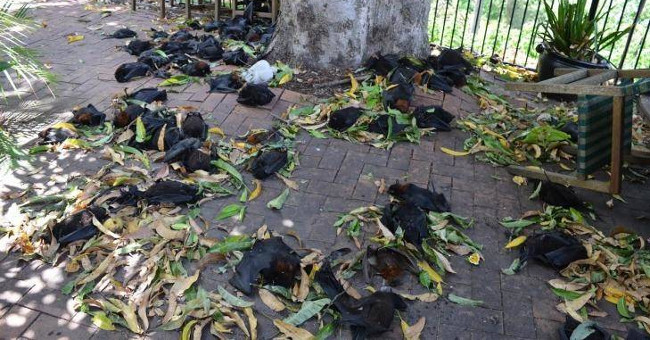
Dehydrated due to the hot sun, more than 2,000 crow bats, also known as flying foxes, fell from trees to the ground piling up around trees in New South Wales, Australia.

No need to doubt, the thousand-pounding hand of this giant beast named Megatherium will make you fly your head.
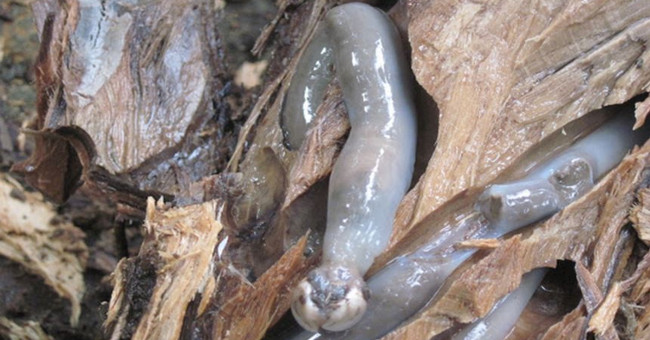
Looking at this picture, one of us feels panicked. Dare to fish that 10 people look, then 11 people have to utter the sentence:
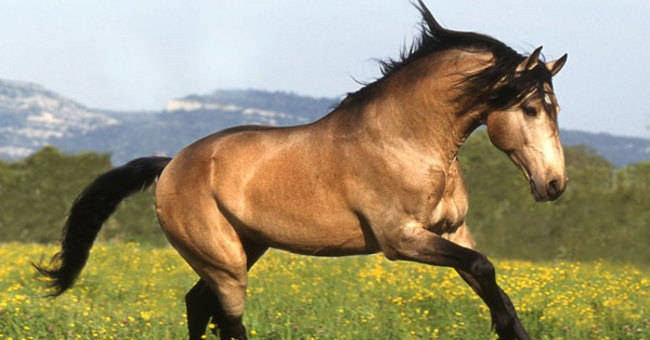
Many higher animals have tails. Horses use tails to chase flies while birds have tails to navigate when flying. So what about us? Why don't humans have tails?
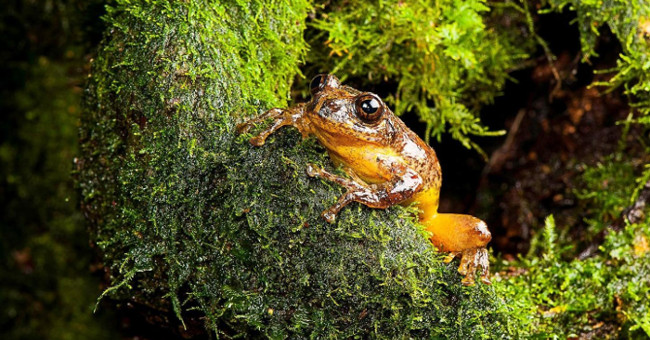
An extinct tree frog more than a century ago was discovered by scientists in tropical northeastern India.
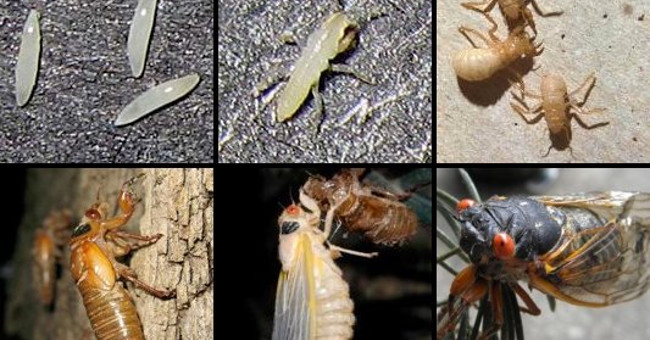
The outer shell of the pupae cracked, the young tick separated itself from the shell, the transparent wings gradually hardened to allow it to fly away, leaving the pupil…
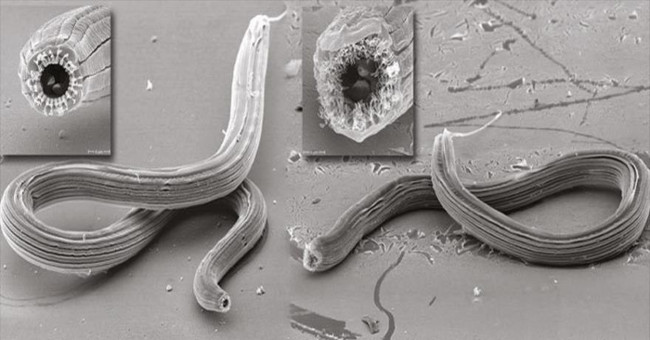
A new species of ascaris discovered on the island of Reunion in the Indian Ocean develops five faces with separate mouth sections to digest different foods.
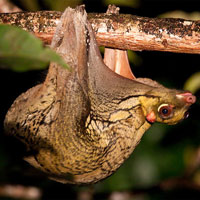
In some of Malaysia's old forests, there is an animal that local residents are very afraid of, it is the flying lemur.

Of the three pythons in Vietnam, the python has the largest size and weight, then python and eventually python

Warm weather often makes us think of tiny tree frogs and frogs jumping somewhere. But what happens to frogs in winter? If they can't dig enough deep into the rock
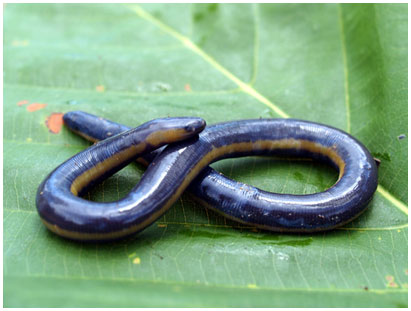
The wild nature of Vietnam is not only beautiful but also very strange animals. Here are some pictures of animals

If you think animals and plants don't have intelligence, then this is the time to think again.
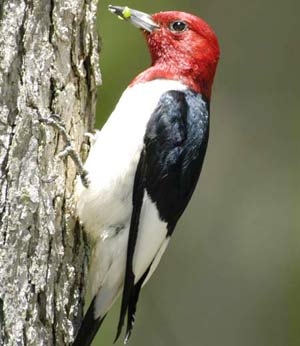
Pileated ants, the largest species in North America, tucked their heads into the trunk at 24km / h, 20 times per second. So why don't their heads melt to pieces?
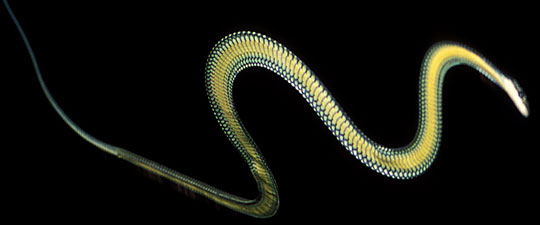
The movements that snakes make during the flight process are much more complex than what we imagine.