Discover science
Human brains are harder to be intelligent
Scientists at the University of Cambridge (UK) said that the ability of the human brain has reached its peak and it is difficult to be more intelligent. They argue that…
Browse ScienceInfo articles and explainers related to University.
4,907 published items.
Scientists at the University of Cambridge (UK) said that the ability of the human brain has reached its peak and it is difficult to be more intelligent. They argue that…
Researchers at the University of Minnesota Medical University and the University of Biological Sciences have made an important discovery indicating that male sex must be…
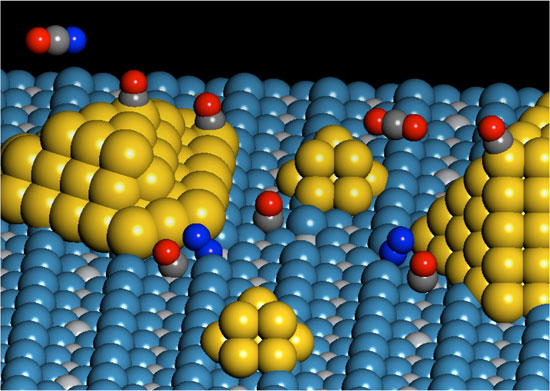
Researchers at the University of Virginia, USA, have identified a specific location that triggers the activation of oxygen molecules to produce an oxidation reaction on…

Scientists at Iowa State University, USA, have discovered that a variety of different plant species is needed. Most plants have played a role in promoting the ecosystem…
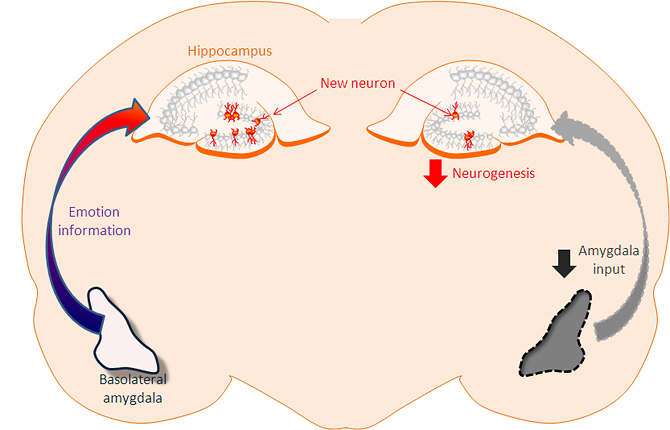
In a situation that scares you, newborn neurons will be activated by the amygdala and can provide a
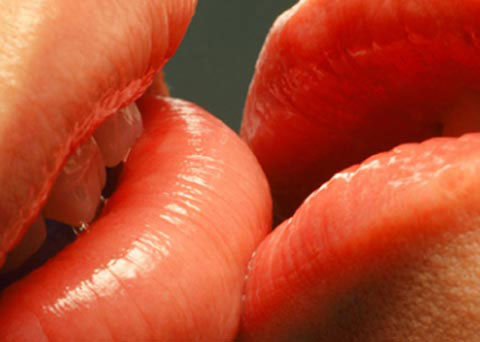
In my life, most people have at least once kissed someone to show affection. And this gesture is especially popular among lovers. However, there are many interesting thi…
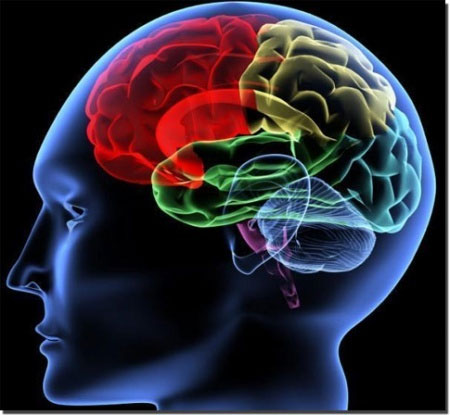
The results of intelligent index tests (IQ) are not completely reliable basis for us to evaluate human thinking ability, US scientists affirmed.

Researchers at the University of Sydney, Australia have discovered new patterns in the movement of granular mixtures, the researchers hope the discovery could help in oi…
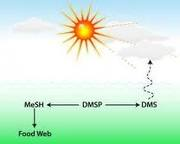
Scientists at the University of Sydney, Australia, discovered the sun's mechanism of rearranging atoms of molecules to form new chemicals.
Scientists at the Southwest Medical Center, University of Texas (USA) have discovered the heart of newborn mammals that can restore function after injury.
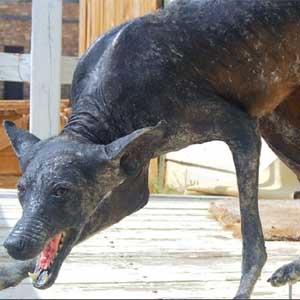
Chupacabra, a beast that likes to feed on animals in Spain and some American countries may be a fantasy product from a sci-fi film that was shown in 1995.

When combining human DNA with marine algae, scientists from Dalhousie University, Halifax (Canada) discovered that humanity could one day breathe in water like fish.

Reading mobile news in public places makes people talk to strangers more.
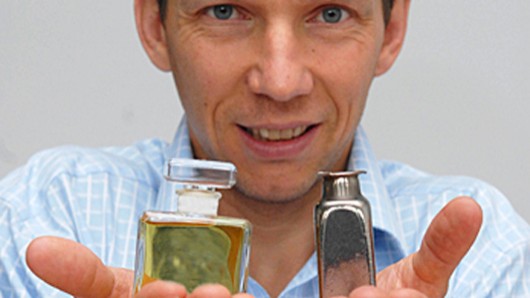
Materials researchers at Yale University (USA) have successfully developed glass alloys, which have the flexibility of plastic and solid metal.
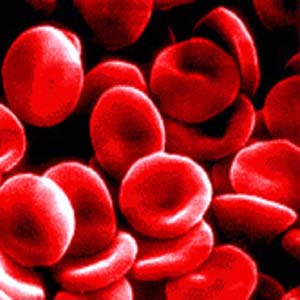
After three years of analysis, University of Alberta scientists listed more than 4,000 different substances in the blood.