Space science
Science explains why Venus has so few volcanoes
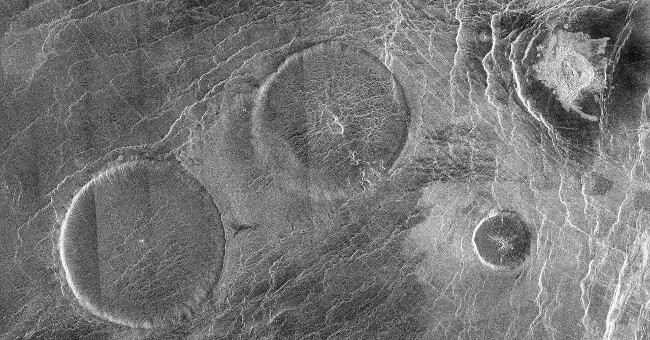
Researcher Sami Mikhail has just released the latest claims explaining why Venus has so few volcanoes.
Browse ScienceInfo articles and explainers related to Venus.
177 published items.
Researcher Sami Mikhail has just released the latest claims explaining why Venus has so few volcanoes.
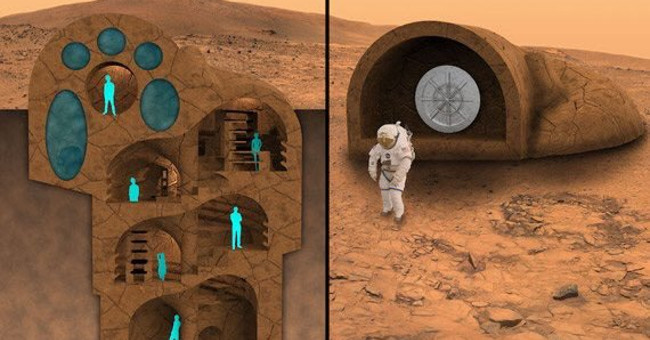
The objective objective is to make use of lava tubes, wells and craters beneath the Martian soil to build houses.
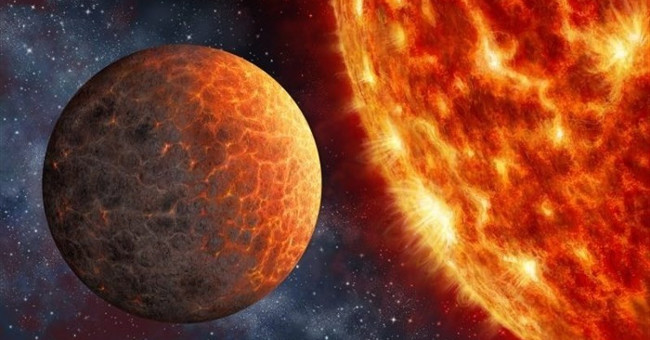
Astronomers discovered that an Earth-like planet is only 219 light-years away, which could become a target for missions that seek alien life.
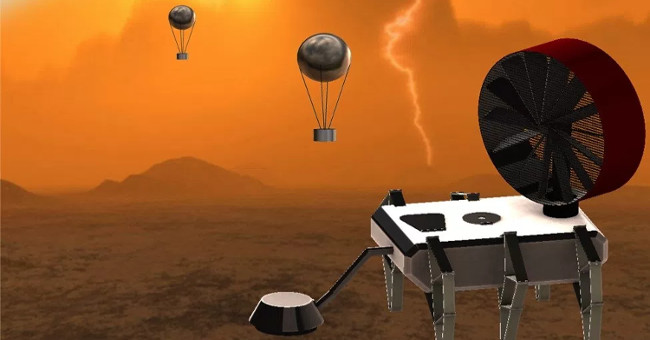
The ancient Greeks built mechanical computers capable of accurately predicting astronomical phenomena. NASA hopes to build a similar device to study Venus.
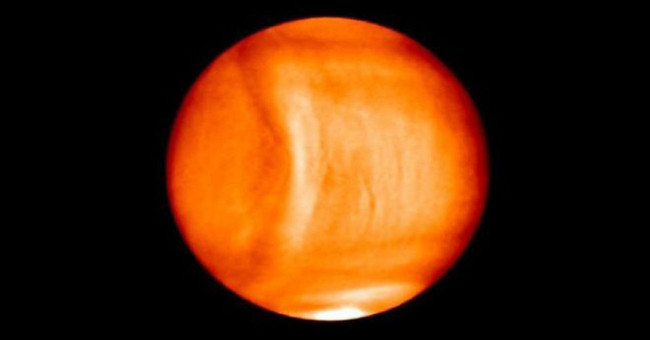
Pressure waves in Venus's atmosphere belong to the most powerful waveform in the Solar System, spreading farther than 10,000km.
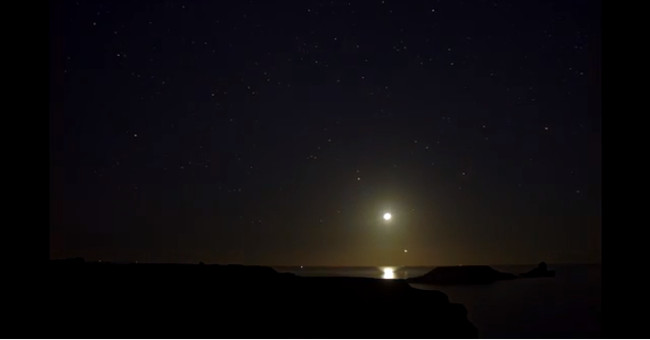
Astronomers in England have just admired the star of Kim shining brightly, lying in line with the Moon and Mars in the night sky.
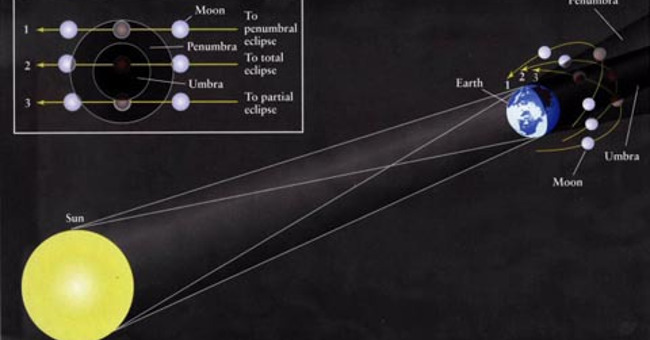
Meteor shower or eclipse are astronomical events in 2017 that Vietnamese people can observe.
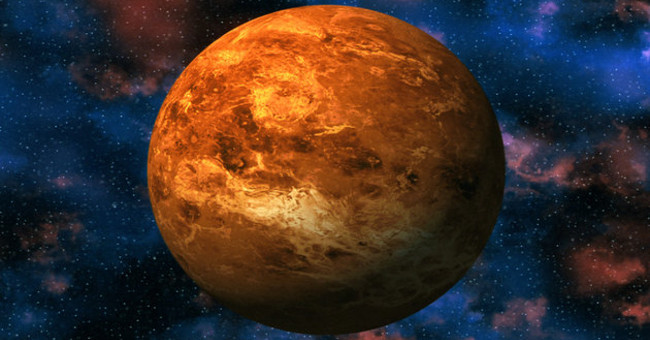
Venus, the second planet in the solar system, has extremely harsh environmental conditions and numerous giant volcanoes on the surface.
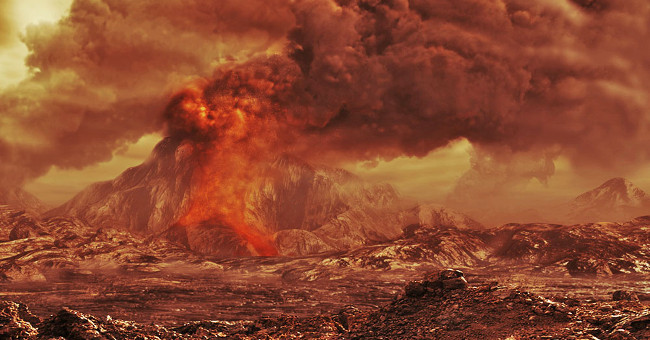
The harsh environment with many of Venus's toxic chemicals is reproduced by laboratory scientists in Ohio, USA.
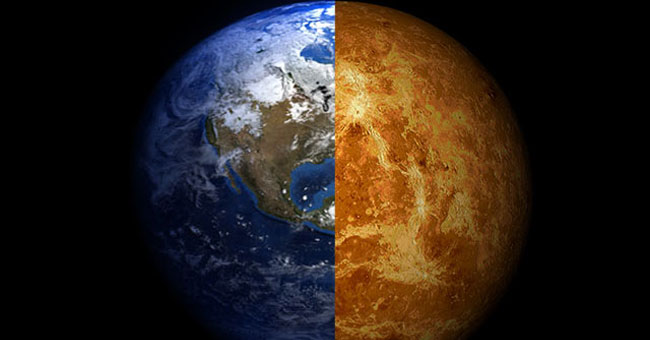
A new theory states that if conditions change only slightly, lush life can exist on Venus, thereby causing the Earth to become a dead planet.
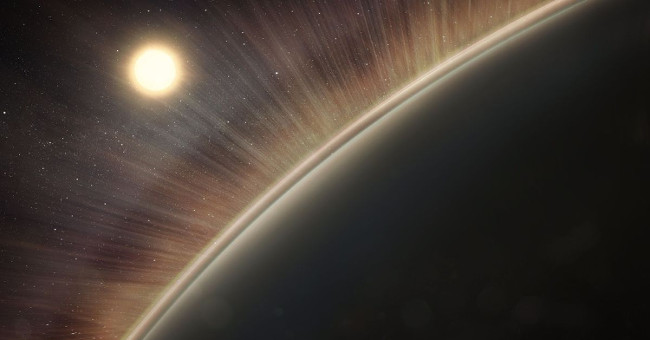
Not only Mars, but Venus also had water on it. And so far, experts have found the reason why water disappears.

Venus, the second planet near the Sun is a pretty amazing star. Discover the strange things about one of the
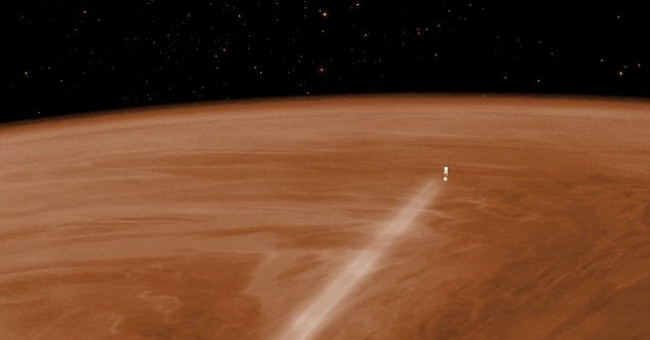
Scientists have discovered polar regions on Venus even colder than anywhere on Earth.
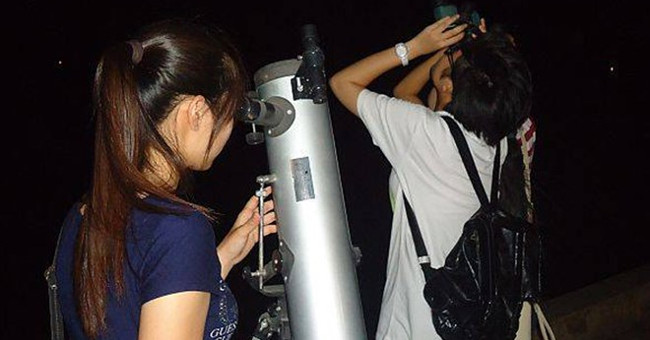
At this time, astronomers all over the world can observe 5 planets of Mercury, Venus, Mars, Jupiter and Saturn in a straight line.