Biology
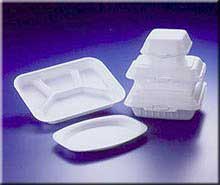
Bacteria turn foam into plastic self-destruct
US researchers have used a strain of bacteria to turn an important component of waste cups, plates and utensils into a self-destructing, useful plastic. This potential c…
Browse ScienceInfo articles and explainers related to Waste.
1,012 published items.
US researchers have used a strain of bacteria to turn an important component of waste cups, plates and utensils into a self-destructing, useful plastic. This potential c…
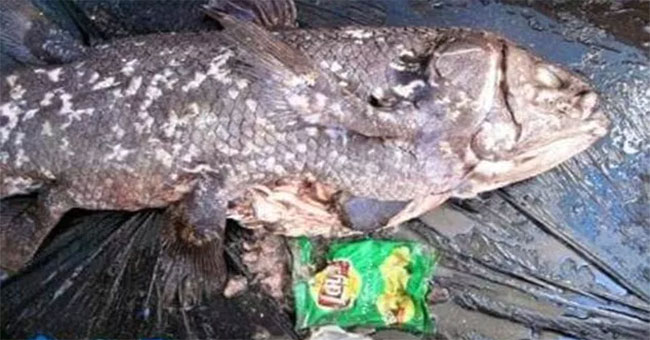

Speaking of special and unique animals in Australia, many people will remember immediately Kangaroo kangaroos or koala bears. But it will be a big mistake if you omit Wo…
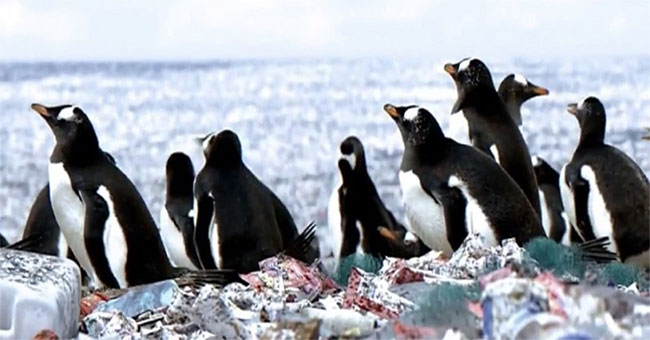
Perhaps up to this point, everyone knows that our ocean is slowly littering with plastic, when millions of tons of garbage are coming out of the ocean every year.
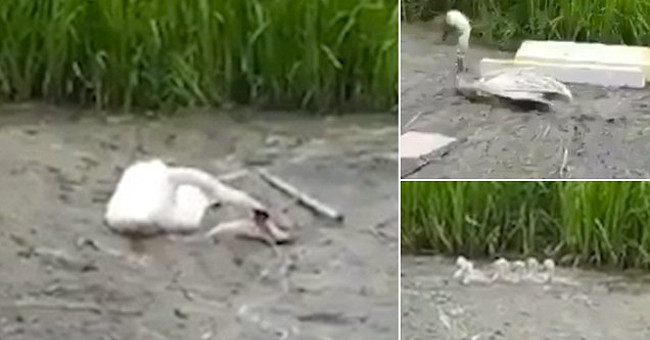
In the clip, you can see a swan struggling in the mud to his neck so that he won't sink down while the other one constantly uses mines to pull you up.
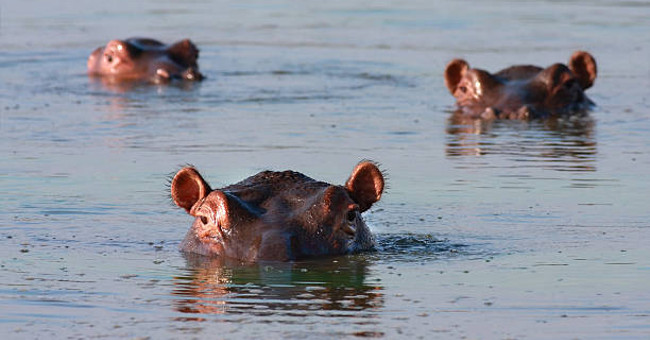
The researchers found that the phenomenon of fish dying from hippopotamus when paying attention to fish bodies exposed on river banks when river water rises after heavy…
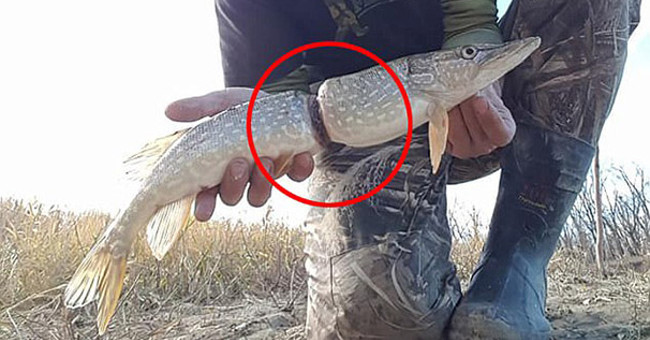
Adam Turnbull found the fish with a mid-body plastic ring on the Saskatchewan River in Alberta, Canada, on October 28, according to IFL Science.
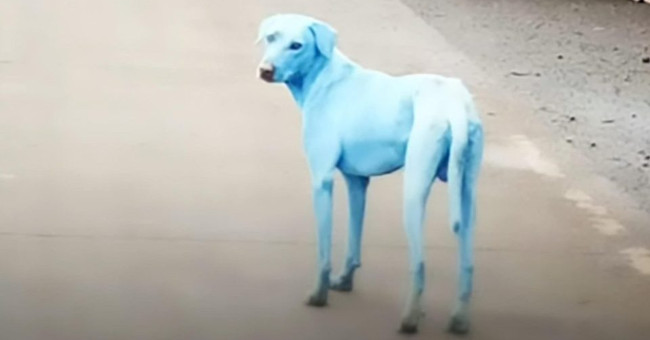
The wild dogs' fur turned blue due to drinking and bathing in polluted river water, IFL Science reported.
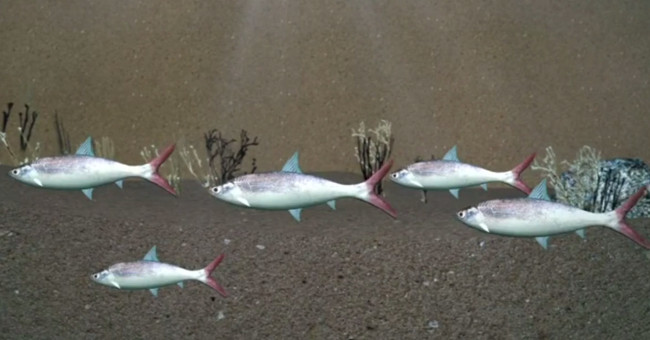
One study found that chemicals in household wastewater make about 20% of male fish in the river have characteristics of females.
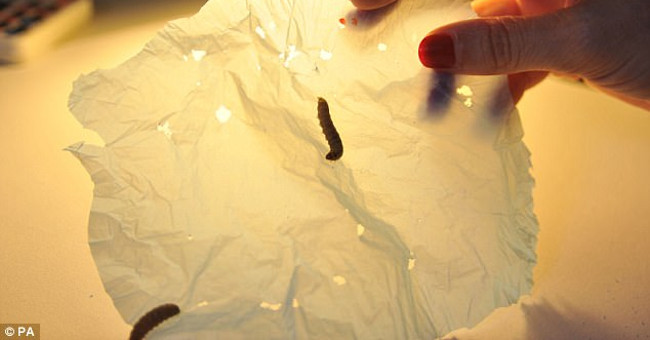
It can be said that this worm is the key, saving the most difficult problem for humanity today.
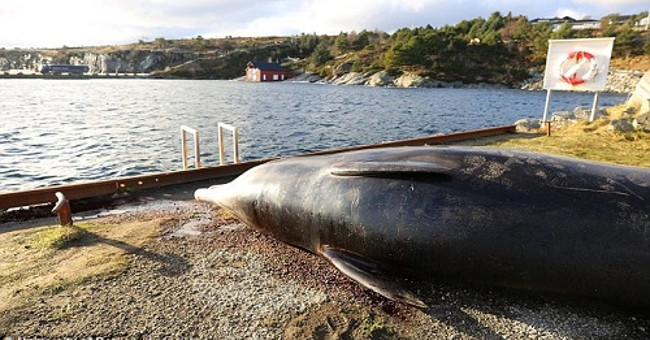
Norwegian researchers were amazed to discover more than 30 plastic bags and many plastic waste in the stomach of a stranded whale.
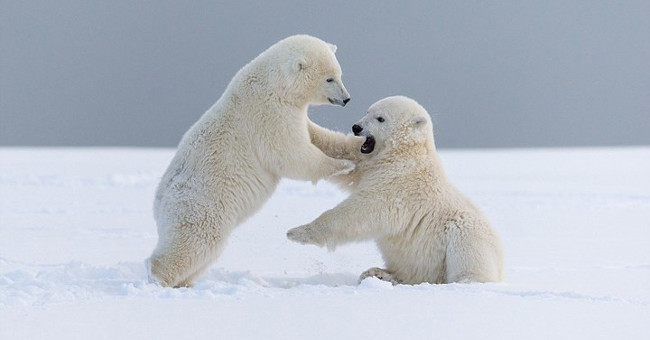
The toxic Arctic waste is a major threat to polar white bears, which can lead to status
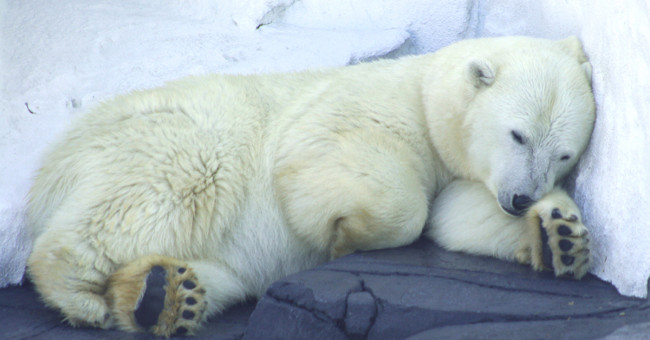
Every time I collect it, almost all the bears in the world begin to frantically prepare shelter to sleep for a long time, pass through the cold cuts of the winter skin.

When birds eat a large amount of plastic, they will face a quick and painful death.
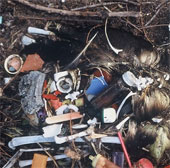
About 90% of seabirds have swallowed plastic and health waste threatened by plastic contamination in the gut.