Biology
Species of parasites
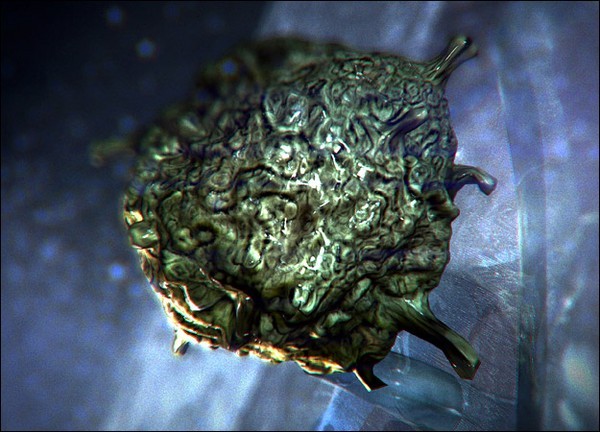
Wearing contact lenses when swimming, or not cleanliness is an opportunity for this tiny parasite to colonize and corrode the cornea.
Browse ScienceInfo articles and explainers related to Water.
6,456 published items.
Wearing contact lenses when swimming, or not cleanliness is an opportunity for this tiny parasite to colonize and corrode the cornea.
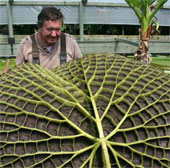
A Victorian, Australian farmer has announced that Australia has grown its biggest leaf.

US scientists published research on microbes that could be considered the smallest form of life on Earth.
Cyanobacteria, after taking up to 2.5 billion years to adapt to the Earth's biosphere, could pose a global threat in the future.
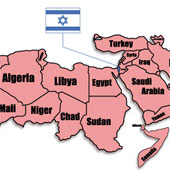
Israel is a small country in the Middle East with extremely harsh natural conditions, a traumatic history, but has risen to become one of the most powerful nations in th…
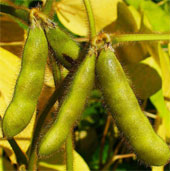
Scientists hope, high-yielding soybean varieties that adapt to the environment soon appear before 2030.

The garden is erected vertically by a 24-storey building, hoping to save energy, water and environmental friendliness.
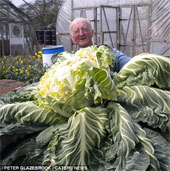
The giant cauliflower, 1.8m in length, planted by farmer Peter Glazebrook in the UK has reached the record of the world's largest cauliflower.
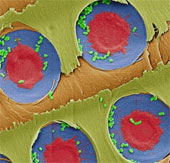
People in many parts of the world are still using water from rivers and lakes that contain many dangerous bacteria. Therefore, the water source needs to be filtered befo…
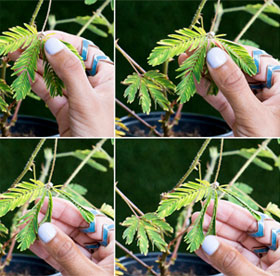
Excellent memory capacity is often attributed to elephant characteristics, but scientists have discovered that plants can also be recognized and remembered, though not e…
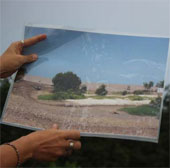
After 10 years of planting mangrove forests, people in Vinh Hai commune, Vinh Chau district, Soc Trang province were able to cultivate onions into fertile fields.

After the BP oil spill, the Vietnamese fishermen group in New Orleans and the United States turned to developing aquaculture and hydroponic models with unique water tank…
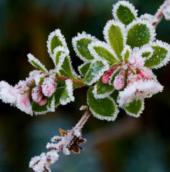
US scientists have recently discovered the development mechanism of flowering plants, which can help them survive in cold weather conditions.
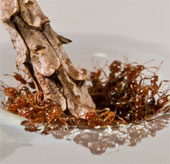
These tiny insects hook their legs together to form a lifesaver that helps them float on the water.
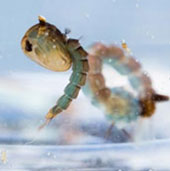
Indian scientists have succeeded in preventing mosquito growth with a simple mixture of carbon nanoparticles.