Animal world
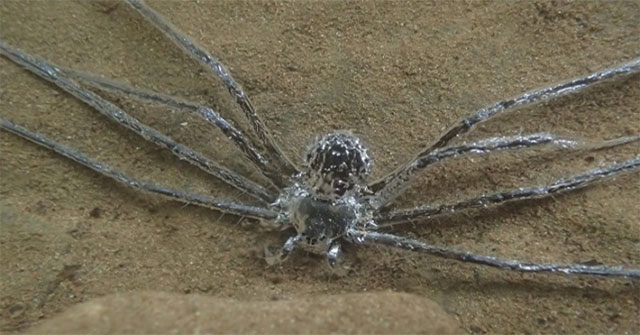
Tropical spiders can hide for 30 minutes underwater
A tropical spider uses air membranes to hide under water and hide from predators for half an hour, surprising scientists.
Browse ScienceInfo articles and explainers related to Water.
6,456 published items.
A tropical spider uses air membranes to hide under water and hide from predators for half an hour, surprising scientists.

Nabataea, an ancient Arab kingdom, built a water collection and distribution system that is still usable after thousands of years.
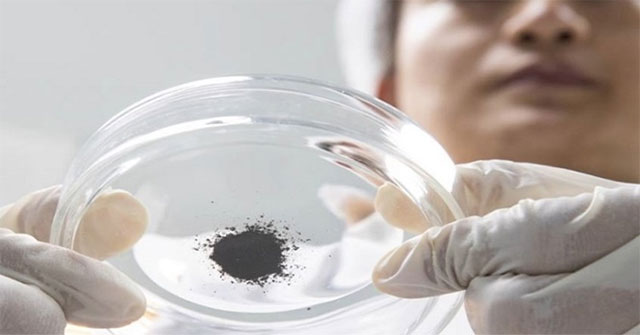
The 5 kg mobile device uses lunar soil, water and solar energy to convert carbon dioxide (CO2) into oxygen and fuel.
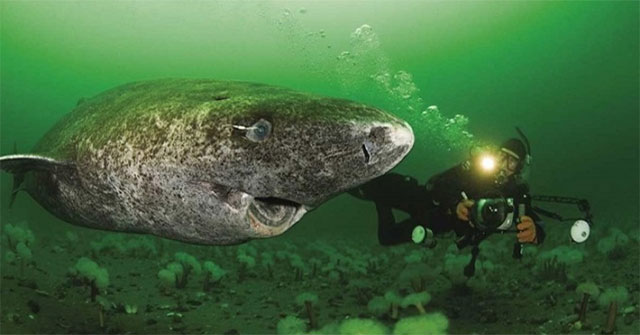
Many large deep-sea animals outnumber their relatives elsewhere, perhaps for environmental reasons or for survival purposes.
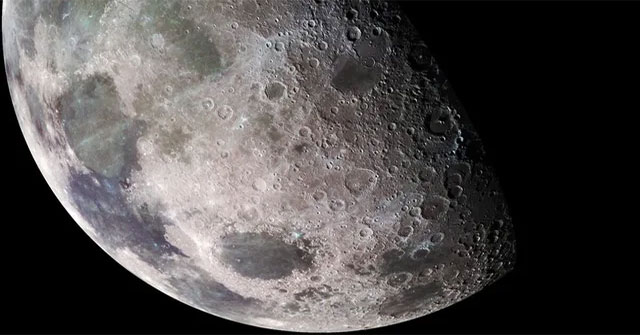
Over the past billions of years, Earth may have dumped about 3,500 cubic kilometers of water onto the Moon's poles.
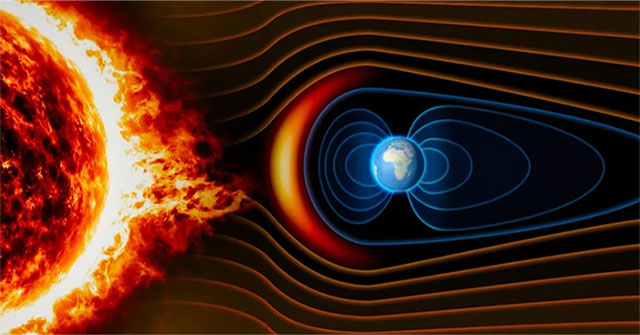
The researchers think that the solar wind produces water vapor on the asteroids. When they collide with the Earth, they provide a large amount of water.
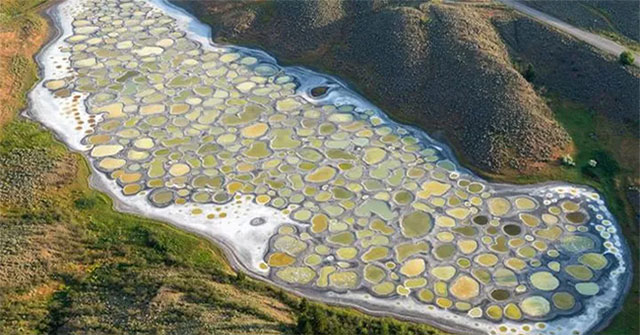
Spotted Lake is located northwest of Osoyoos, east of the Similkameen Valley of British Columbia (Canada).

Aggressively attacking the giant python right in the water, the belligerent monkey had to pay a very heavy price.

Vu Tuyen is a district located in the southeast of Lai Tan city, Guangxi Zhuang Autonomous Region (China), also known as Tien Thanh. There is a 'sky lake' with beautiful…
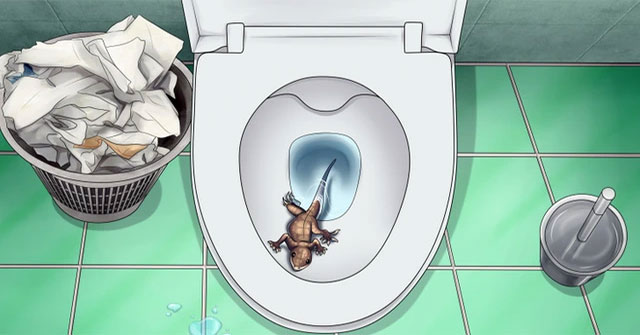
These creatures can get in through the pipe of the toilet, and if you are accidentally going to the toilet at that time, then...

Startup company iSpace2o has begun production of the hull of a high-speed hydrofoil that can dive deep underwater, called Deepseaker DS1.
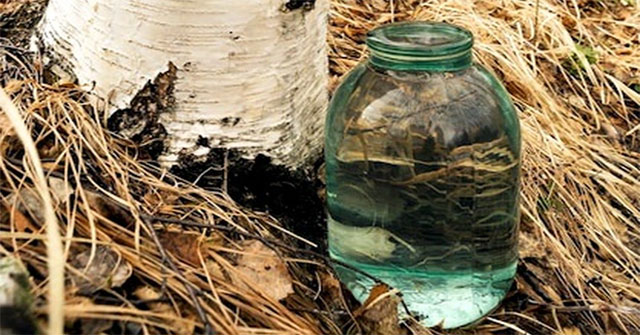
Thuy and her husband and children experienced an outing in the birch forest. And for the first time in her life, she tasted the strange taste flowing from the tree trunk.
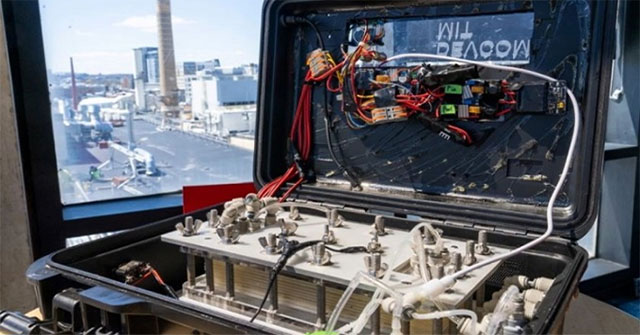
The new device, developed by professor Jongyoon Han and colleagues at the Massachusetts Institute of Technology (MIT), produces drinking water from seawater with only a…

Saudi Arabia embarked on the first phase of artificial rain operations in areas above Riyadh, al-Qassim, and Hail on April 26.

Recently, scientists discovered the protein and process behind how bloodworms form their jaws.