Environment
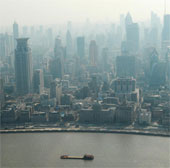
More than 2 million people die each year because of air pollution
Each year more than two million people die worldwide as a direct result of human-induced air pollution, in which Southeast Asia is the most serious area.
Browse ScienceInfo articles and explainers related to Airborne.
33 published items.
Each year more than two million people die worldwide as a direct result of human-induced air pollution, in which Southeast Asia is the most serious area.

The Italian Air Pollution Research Institute announced that they found traces of cocaine and marijuana in the air in eight cities.

According to The New York Times, billionaire Jeff Bezos first introduced Blue Origin's panorama to reporters on March 8.

Scientists found that floors, carpets, even tap water produce more bacteria than toilets.
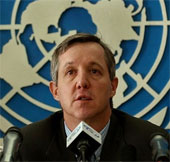
Painful deaths because of Ebola will rise a million times, horrors spread everywhere ... in the event that the virus causes the disease to spread in the air.
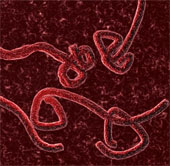
While experts are still debating the possibility of Ebola developing into an infectious form in the air, this dangerous virus has now changed to survive.
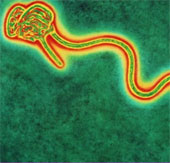
Ebola virus is causing the worst outbreak ever in Africa.
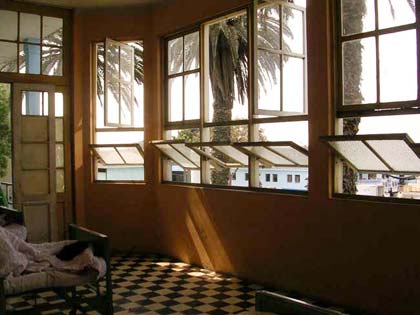
According to the team, this inexpensive solution could help prevent the spread of airborne infectious diseases such as tuberculosis, and ironically, traditionally built…
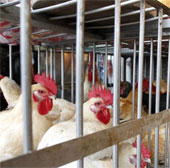
A recent Chinese study revealed that an H7N9 avian influenza virus pattern spreads easily in the air between ferrets.

In this article, we will synthesize 5 free games that are most appreciated by many players, hoping to help you choose a game that suits you.

The following article will introduce you the hottest racing games that are causing storms in the speed game community.
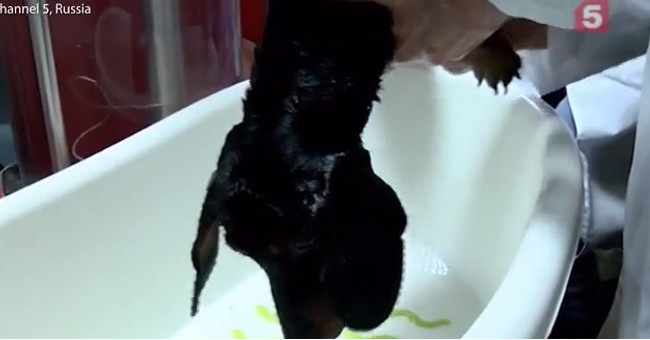
Humans and other airborne organisms often drown when there is too much water in the lungs, but Russian scientists have demonstrated that a dog can survive underwater.
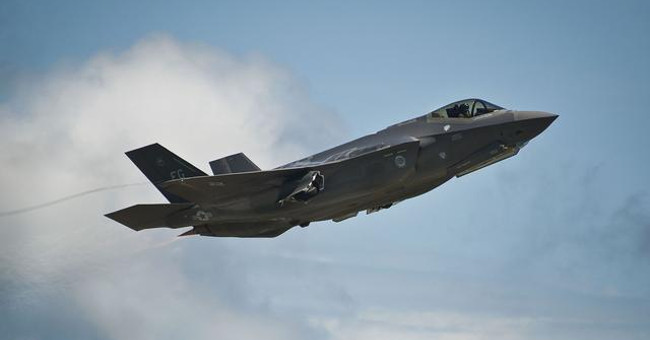
According to Sputniknews.com, the US Air Force has successfully tested an airborne communications system called Talon HATE in Nevada.

Russian aircraft designers plan to build a giant supersonic airliner that can bring tanks to the battlefield in just a few hours.

The idea of producing electricity from airborne vibrations is not new, but a team at the Singapore Institute of Science and Technology has turned it into reality.