
Health
Finding a new potential culprit of Alzheimer's disease
Analyzing donated human brain tissue, American scientists have found a new direction that could create a breakthrough in the fight against Alzheimer's.
Browse ScienceInfo articles and explainers related to Alzheimer.
194 published items.
Analyzing donated human brain tissue, American scientists have found a new direction that could create a breakthrough in the fight against Alzheimer's.

Is the increase in depression, attention deficit hyperactivity disorder (ADHD), post-traumatic stress disorder (PTSD) etc. related to high temperatures and harsh environ…

Taking a proper nap is very good for the body, but how long does sleeping affect human longevity and health? Experts have pointed out a fact that many people do not know.
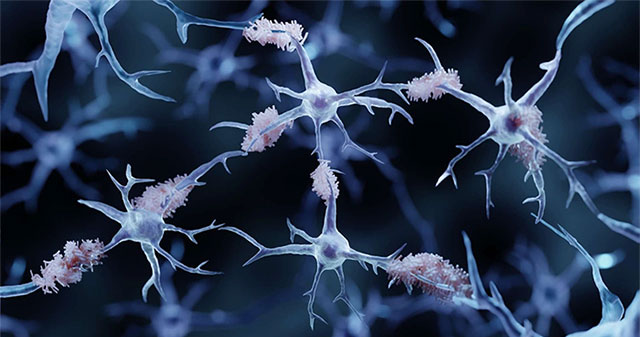
Researchers have tested a new method to slow the progression of Alzheimer's disease with blood transfusions.

no symptoms, but for some people, the corona virus will leave a severe impact, also known as post-COVID-19 sequelae

Although it is a common disease, there is currently no effective treatment for Alzheimer's.

Porphyromonas gingivalis bacteria (Pg) has been identified as a causative agent of human cancers, diabetes and Alzheimer's.

In the near future, artificial neurons may be used in the fight against Alzheimer's and chronic brain-related diseases.
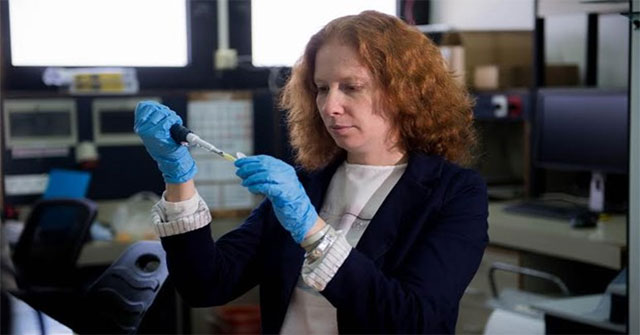
The Israeli Institute of Technology (Technion) said on November 17 that Israeli researchers have developed a new technology to inject drugs directly into the brain for A…

Korean researchers have discovered adult silkworms contain many nutrients, helping to prevent and treat Alzheimer's disease.

High cholesterol not only makes you threatened by cardiovascular disease. New research shows that the world's fifth-leading premature death is also linked to cholesterol.

Singapore researchers believe that eating mushrooms reduces the risk of cognitive decline because fungi contain a special compound, ergothioneine.

High cholesterol will put you at risk of getting the most common disease in the group that was evaluated by WHO as the fifth leading cause of death.

This study results as a reminder that people need to pay more attention to gingivitis - a disease that is easy to get but also easily overlooked.
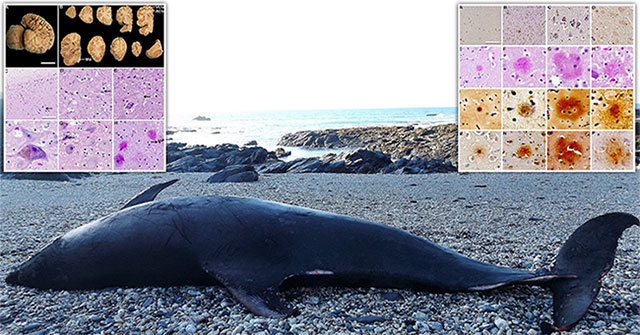
Concern is because it is completely possible for people.