Discover science
Find analgesic 6 times stronger than morphine
Human saliva produces six times more natural painkillers than morphine, according to French researchers.
Browse ScienceInfo articles and explainers related to Analgesic.
71 published items.
Human saliva produces six times more natural painkillers than morphine, according to French researchers.

Based on research, scientists have concluded that painkillers have a negative impact on erection.

The colorful Meiacanthus fang blenny in the Pacific has a small body but possesses venom-like bites like heroin to attack enemies.

Russian scientists found patients to be anesthetized with marijuana and magic mushrooms before the skull drill surgeon from 3,000 years ago.
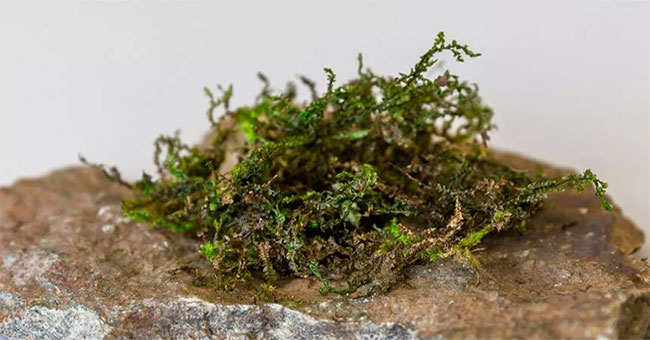
Scientists have published in Science Advances magazine about a new discovery in finding alternative sources of medical marijuana in pain relief for patients.

Scientists at the University of Calgary, Canada have announced that they have deciphered one of the genetic secrets of opium.

According to US scientists, the chemical in an ant species in China can help create anti-inflammatory drugs, relieve pain and cure many other diseases.

Plants produce chemicals that relieve pain like Aspirin that we use often.
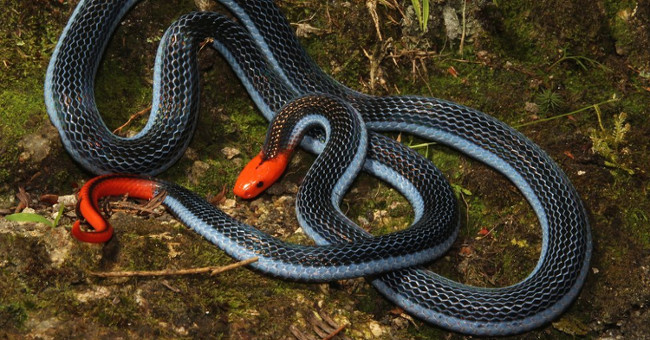
The venom of the blue coral snake lasts a quarter of its length and can be used as a pain reliever for humans.
New painkillers have revolutionized the pharmaceutical industry. This drug is unique in that they are made from ... sea slugs.

According to a reporter in Italy, the researchers used a beam of green light to shine on the body of the experiment.

According to Indiegogo, this type of analgesic device is designed like a protective band for sports use and has an attached electrode.

Gynecological surgery will cause pain or discomfort for the patient. This feeling decreases with time and may be used if needed.

The identification feature of rheumatoid arthritis is the painful swelling of many joints accompanied by stiffness in the morning. Symptoms are more pronounced when the…
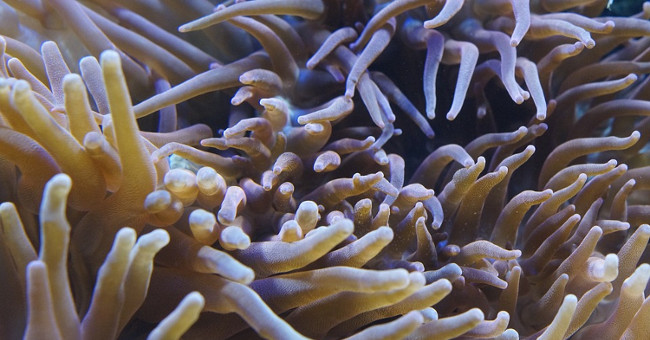
Scientists at the Russian Academy of Sciences found that unique anemones in the anemone's venom help inhibit the activity of pain receptors and reduce inflammation.