
Archeology
Discover ancient architecture thousands of years old in Egypt
According to experts, the architecture may be part of a Greek-Roman period building.
Browse ScienceInfo articles and explainers related to Ancient Greek.
29 published items.
According to experts, the architecture may be part of a Greek-Roman period building.
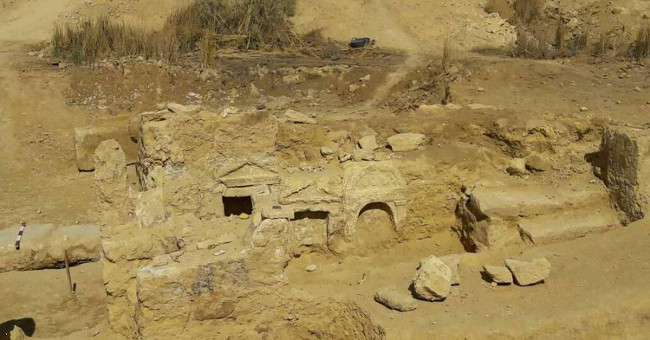
In the April 4 announcement, the Egyptian Ancient Relics Department said the temple was found when archaeologists searched Al-Salam archaeological site 50km east of the…

If this were true, the Greeks had arrived in Canada before the Vikings for nearly a millennium.

According to a recent study, it seems that the ancestors of the Greeks not only produced wine, but also devoted a lot of effort to cooking and enjoying beer.
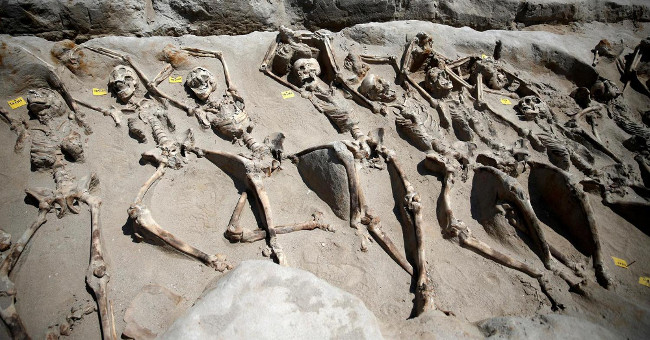
Nearly 100 sets of iron-clad remains in the ancient Greek cemetery are likely to belong to those who supported the coup by an Athens noble.
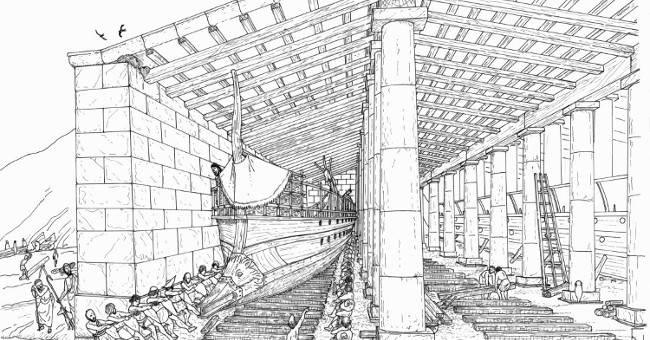
The large structure containing hundreds of warships in a seaport near Athens contributed to the resounding victory of the Greek army before the Persian Empire thousands…
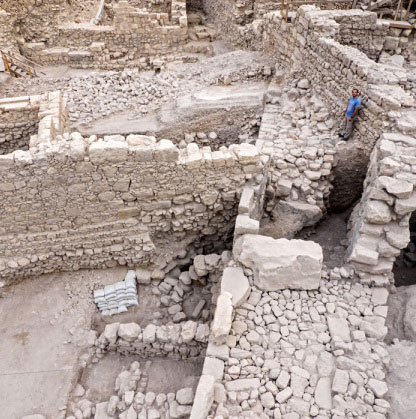
The Times of Israel newspaper said the archaeological group had discovered a city and a tower that could be a clue to
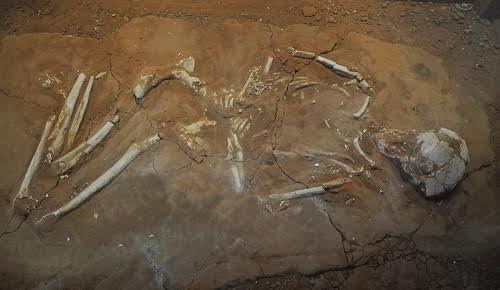
Scientists believe that ancient Greeks believed dead bodies could raise graves to live and harm living people, based on the incredible burial in the grave excavations in…
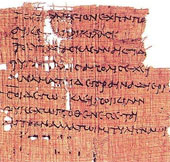
Researchers have just archived one of the ancient intact letters of the first female poet to mention homosexual love.

By linking small rhythms, British scientists have built up the complete melody that ancient Greeks enjoyed.
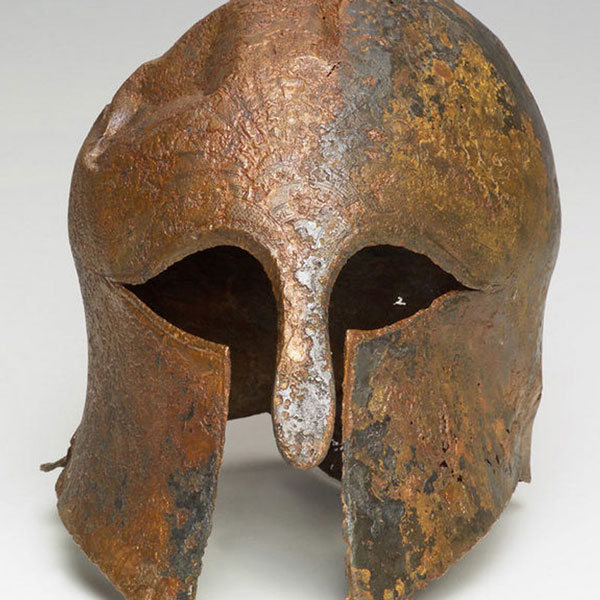
A Greek warrior's bronze hat from the 6th - 5th century (BC) was found on the seabed in the port of Haifa (Israel) - but the owner of this hat is still the complete thin…
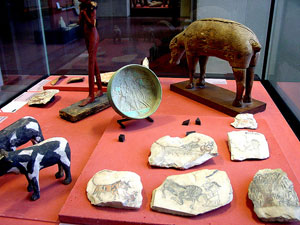
Archaeologists have found 150 pieces of pottery and porcelain (called ostraca) at an ancient Greek-Roman site, 2km north of Lake Qaroun.
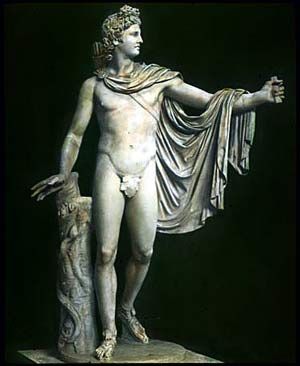
The image of naked men is very popular in Greek art, although historians still insist that the ancient Greeks hardly opened any parts of the body. Now a study shows that…
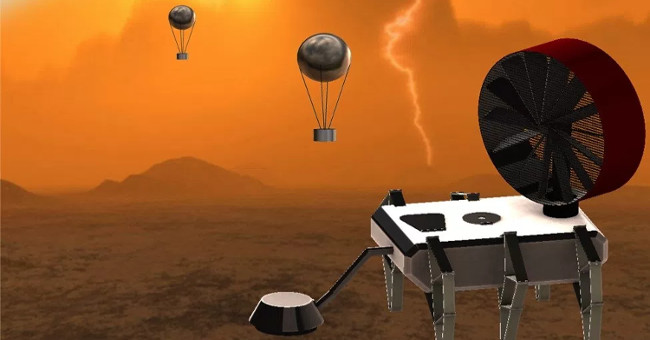
The ancient Greeks built mechanical computers capable of accurately predicting astronomical phenomena. NASA hopes to build a similar device to study Venus.