Animal world
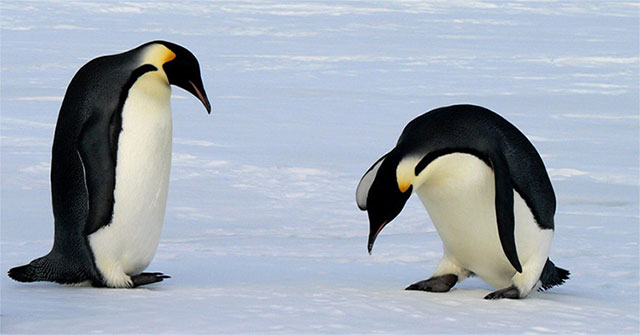
Why don't penguin's feet get cold?
How long can you stand on the ice in Antarctica before your feet freeze? Probably from 1 to 2 minutes.
Browse ScienceInfo articles and explainers related to Anticoagulant.
11 published items.
How long can you stand on the ice in Antarctica before your feet freeze? Probably from 1 to 2 minutes.
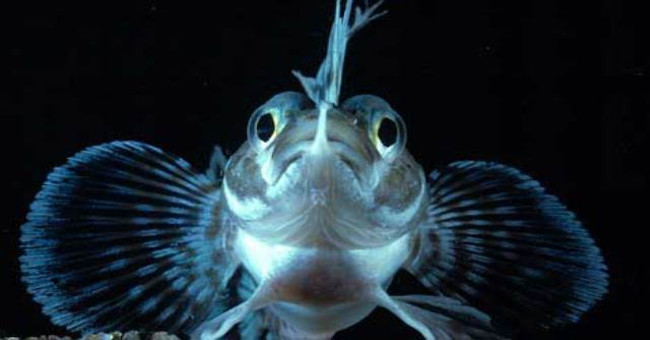
Thanks to anticoagulant glycoprotein in the body, notothenioid fish can survive the global freezing phenomenon, causing a large number of organisms to become extinct 42…
The fish that inhabit the cold waters of Antarctica are born with anticoagulant proteins in capillaries, which help the blood to flow normally without freezing.
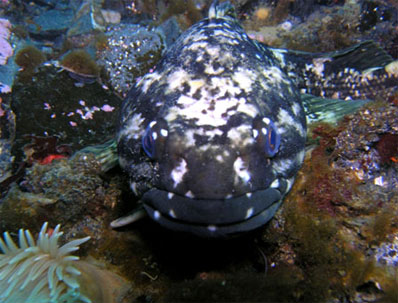
Antarctic fish species can freely travel in sea water below 0oC because their blood has anticoagulant glycoprotein.

Dr. Vo Tuan Anh, Department of Cardiothoracic Surgery, said the father of the method is Japanese professor Ozaki.
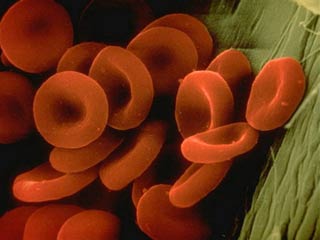
Without the coagulation process, our bodies (and the circulatory organism in general) cannot survive. But without the anticoagulation process, coagulation will spread fr…
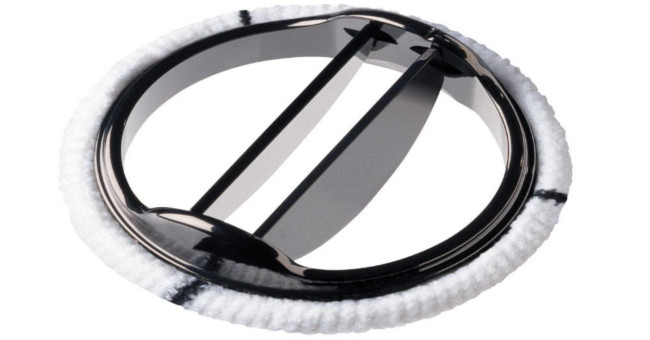
Mechanical valves are made of artificial materials, biological valves made from natural materials, usually from the pig's pericardium or the pericardium.
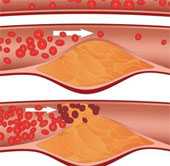
Scientists in Khimki suburbs of Moscow have successfully developed an anticoagulant that can save many lives.

US-based Boston Scientific has just published a study that showed that a device implanted in a man named Watchman helped prevent stroke.

Scientists at the University of Washington (USA) found that using a lot of anticoagulants - warfarin, may increase the risk of osteoporosis in the elderly.

Scientists at the University of Edinburgh and the Western General Hospital (UK) have successfully developed a simple device that can save lives for many people after a s…