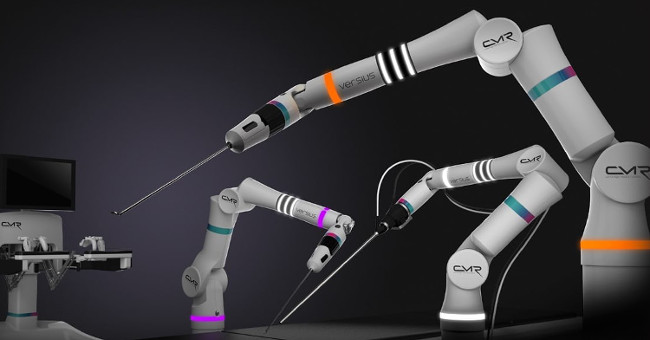
New technologyAccording to the manufacturer - 'Cambridge Medical Machine Company' (CMR) - this robot is controlled by a surgeon via a console and a three-dimensional screen in…
December 12, 2018

New technologyRobot-making teams around the world are currently working on flexible robots, because many situations require softer touches than what machines are rigid.
December 12, 2018

New technologyIn our lives, sometimes the arms are not enough to do some work.
December 12, 2018
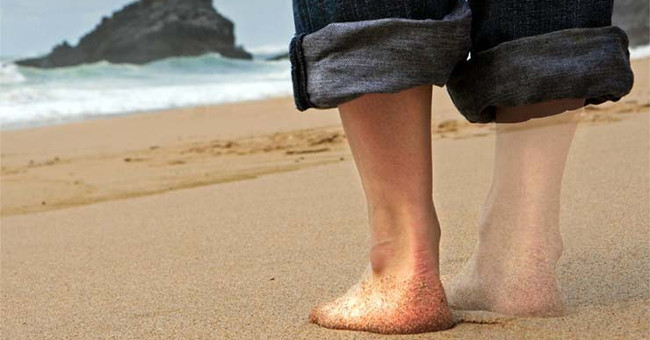
New technologyThanks to computer technology that interacts with the brain, patients with disabilities will no longer suffer from pain in the paralyzed limb or lost.
December 12, 2018
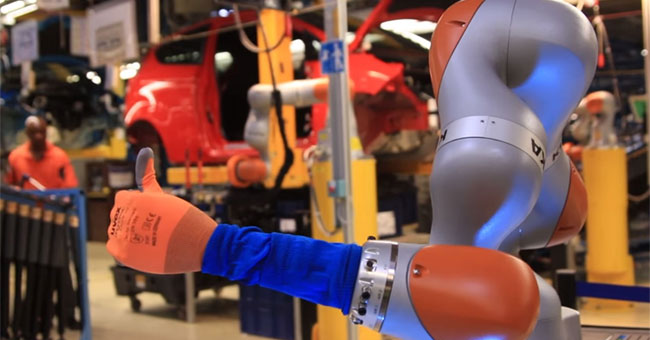
New technologyFord Motor Company has put into use multi-functional robots, as well as assembling cars that are known for brewing, even backpacking for engineers when they ask.
December 12, 2018
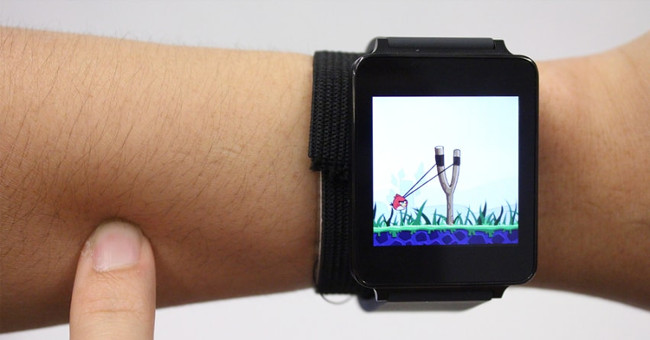
New technologyThe small touch screen makes it difficult to manipulate and watch content on smart watches.
December 12, 2018
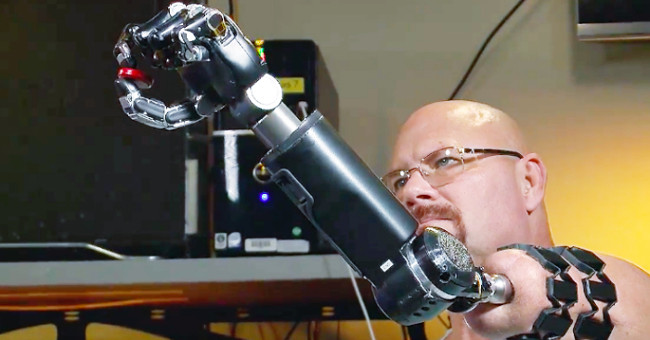
New technologyLosing people will undergo surgery to connect an artificial titanium part with their bones.
December 12, 2018

New technologyJapanese electronics firm NEC has successfully developed virtual keyboard software for use with devices such as eyeglasses or smart watches.
December 12, 2018
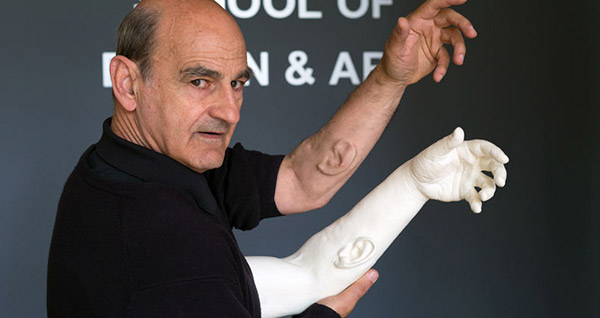
New technologyStelarc, a professor at Curtin University in Australia and a well-known performer, implanted a bi-polymer ear under the skin of his arm. Within 6 months, the tissues and…
December 12, 2018
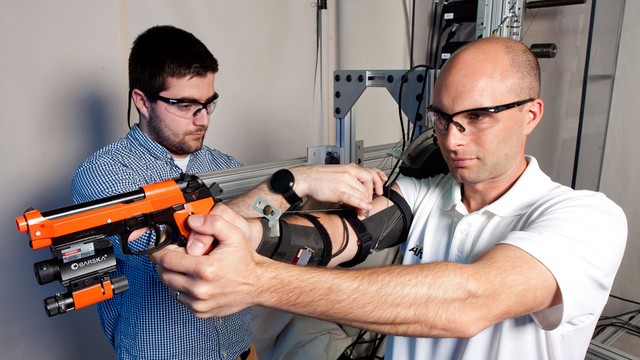
New technologyEvery soldier has to undergo the training and training of his shooting skills, but it is not a simple thing to become a marksman.
December 12, 2018
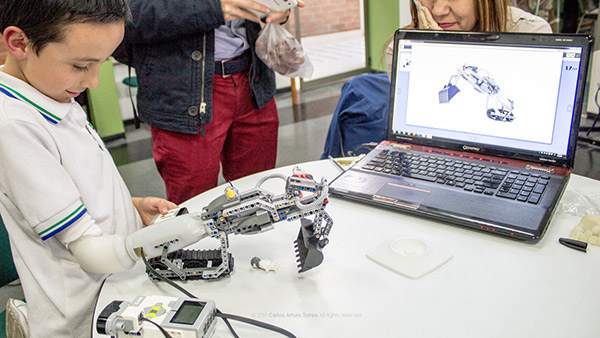
New technologyColombian designer Carlos Torres has created an artificial arm that helps handicapped children to play assembling Lego in a whole new way. Accordingly, children will ass…
December 12, 2018
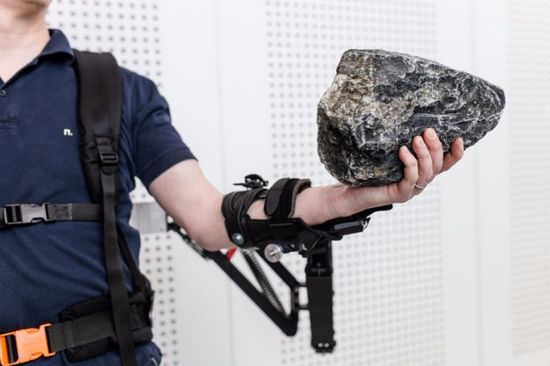
New technologyScientists in Stuttgart (Germany) have announced they are working on a project called Robo-Mate, which helps create industrial robots used in industry, with the ability…
December 12, 2018
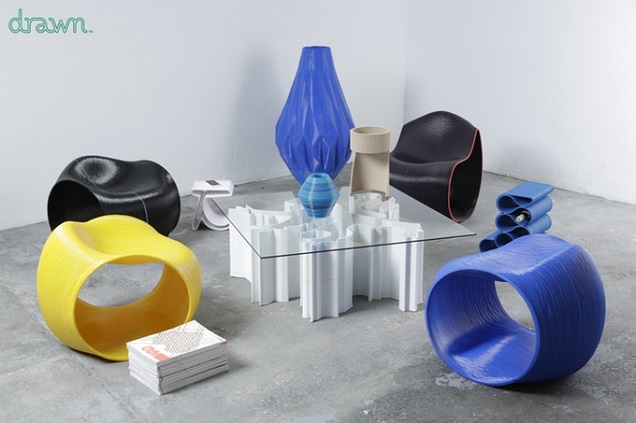
New technologyGalatea will heat the plastic (like the way to create Lego toys) at temperatures of more than 440 degrees Fahrenheit (equivalent to 227 degrees Celsius) for 3D printing…
December 12, 2018
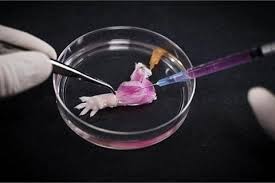
New technologyFor the first time in the world, scientists were able to create an arm living in the laboratory. And when pairing it for a mouse,
December 12, 2018
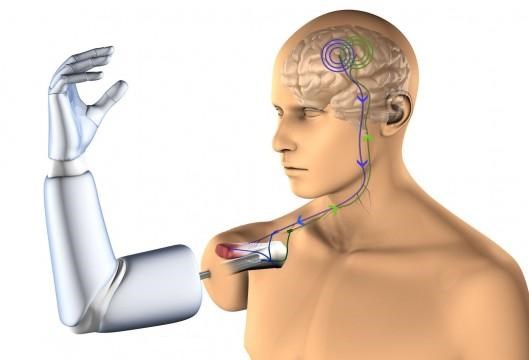
New technologyUS scientists have reportedly transplanted artificial neural devices into a brain region of people with paralytic paralysis or loss of limb, enabling the patient to tran…
December 12, 2018